




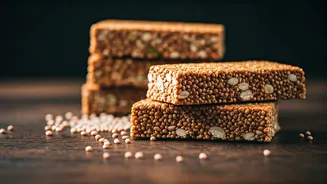


Goodbye to the Breakfast Rut
For decades, the Indian breakfast table was predictable. It was often a comforting but carb-heavy rotation of parathas, poha, idli, or toast with butter. While delicious, these options reflected a different era. Today, a new consciousness is taking hold,
driven by a desire for better health, more variety, and solutions that fit a fast-paced, modern life. The breakfast 'rut' is being challenged by a generation that views the first meal of the day not just as fuel, but as a strategic choice for wellness and productivity. This shift is moving us away from monotony and towards a plate that is as dynamic as our daily schedules.
The Health-First Mandate
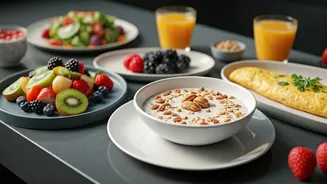
At the heart of this revolution is a collective pivot towards health. Consumers are now actively scanning labels for what they *don't* want—excess sugar, unhealthy fats, and refined flours—and what they *do* want: protein, fibre, and whole grains. This has fuelled the incredible rise of oats, which have moved from a niche health food to a kitchen staple, enjoyed as porridge, overnight oats, or even in savoury forms like masala oats. Similarly, smoothie bowls loaded with fruits, seeds, and nuts have become a social media-friendly symbol of this new breakfast culture. It’s a clear signal to the food industry: nutrition is no longer a bonus, it’s the main event.
The Mighty Millet Renaissance
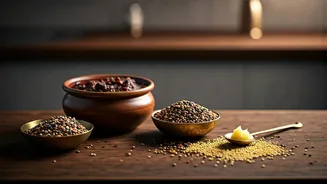
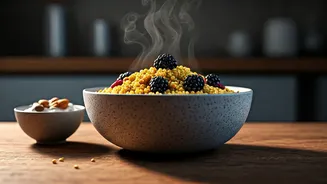
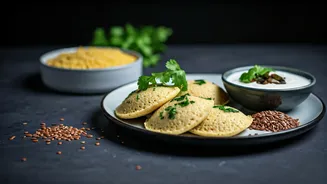
Perhaps the most significant chapter in this revolution is the triumphant return of our ancestral grains. Millets like ragi (finger millet), jowar (sorghum), and bajra (pearl millet) are experiencing a massive resurgence. Once dismissed as humble or old-fashioned, these grains are now celebrated for being gluten-free, high in fibre, and packed with micronutrients. Government initiatives and a renewed focus on sustainable, local foods have amplified their appeal. Today, you’ll find them everywhere: in ready-to-cook dosa batters, breakfast cereals, multigrain breads, and even cookies. This 'millet makeover' isn't just about nostalgia; it’s a smart, sustainable choice that connects modern health goals with agricultural heritage.
Convenience Is the New King
The morning rush is a universal reality, and this revolution caters to it brilliantly. The demand for speed and convenience has created a booming market for on-the-go breakfast solutions. Think beyond a simple biscuit. We now have protein bars that serve as a complete meal replacement, single-serving packs of instant upma and poha that just need hot water, and breakfast shakes that can be consumed during the commute. These products are engineered to be both quick and nutritious, busting the myth that fast food has to be junk food. They offer a practical solution for busy professionals, students, and anyone who wants to reclaim their mornings without sacrificing their health.
The Rise of Plant-Based Power
Another powerful current in the breakfast wave is the move towards plant-based options. Driven by concerns for health, the environment, and animal welfare, a growing number of Indians are exploring alternatives to traditional dairy. Plant-based milks—oat, almond, and soy—are no longer just for vegans or the lactose intolerant; they are mainstream choices for cereal, coffee, and smoothies. This trend extends to plant-based yogurts and even protein powders derived from peas and other legumes. This diversification of protein sources is making breakfast more inclusive and adaptable, offering delicious, nutrient-dense options for every dietary preference and ethical consideration.