




The Monsoon-Pakora Connection
There are few joys in life as simple and profound as enjoying a plate of freshly fried pakoras with a cup of chai while the rain pours down outside. It’s a sensory experience that defines the monsoon for many across India. Yet, achieving that perfect,
crunchy pakora can be surprisingly tricky. More often than not, what starts as a promising sizzle in the pan ends in a platter of limp, oily fritters that are a shadow of their potential. While many factors can lead to this culinary disappointment, from batter consistency to oil temperature, one of the most overlooked culprits is excess moisture from your ingredients.
The Science of Soggy: Why Wet Herbs Ruin the Crunch
Moisture is the natural enemy of crispiness in deep-frying. When you drop batter into hot oil, the water content instantly turns to steam, creating a barrier that pushes the oil away and cooks the food from the inside out. However, when ingredients like herbs or vegetables carry too much of their own water into the batter, they release excess steam during frying. This internal steaming action prevents a dry, crunchy crust from forming. Instead, the pakora becomes waterlogged from within, absorbs more oil as it cools, and ends up soft and greasy. That seemingly harmless, damp bunch of coriander, when chopped and added to your batter, can single-handedly sabotage your quest for a crispy pakora.
The Paper Towel Method for Dry Coriander
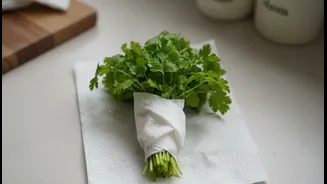
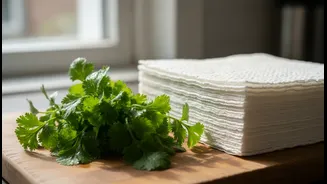
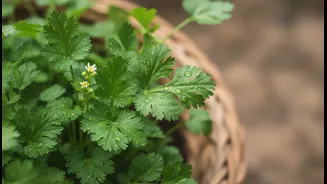
The most effective way to store coriander and keep it dry is the paper towel method. First, do not wash the coriander before storing. Washing introduces moisture that is difficult to completely remove and accelerates decay. Simply inspect the bunch and remove any yellowed or wilted leaves. Then, lay the dry, unwashed coriander on a sheet of paper towel and gently roll it up. The paper towel will absorb any residual moisture from the leaves and stems. Place this paper towel-wrapped bundle inside a ziplock bag or an airtight container and store it in the crisper drawer of your refrigerator. When you need some for your pakoras, simply take out the required amount, wash it, pat it thoroughly dry, and then chop it for your batter. This method can keep coriander fresh and relatively dry for up to two or three weeks.
The Bouquet Method: For When You Buy Fresh
Another popular technique, often called the 'bouquet method', works well if you have coriander with long stems. Trim the very ends of the stems, just as you would with fresh flowers. Place the bunch upright in a jar or glass with about an inch of water at the bottom, ensuring the leaves themselves are not submerged. Loosely cover the top of the leaves with a plastic bag to create a humid-but-not-wet environment. Store this 'bouquet' in your refrigerator. Remember to change the water every couple of days to maintain freshness. While this method focuses on keeping the herb fresh rather than bone-dry, it's a significant improvement over letting it wilt in a plastic bag. Just be sure to pat the leaves completely dry before chopping them for your batter.
Bonus Tips for Ultimate Pakora Crispiness
While dry coriander is a game-changer, other factors also contribute to the perfect pakora. First, consider adding a tablespoon of rice flour or cornstarch to your besan batter; these starches create a crispier exterior. Using ice-cold water for your batter can also help, as it reduces oil absorption. Be careful not to make the batter too thin or to overmix it. Ensure your oil is at a steady, medium-high temperature; if it's too cool, the pakoras will soak up oil, and if it's too hot, they'll burn before cooking through. Finally, don't overcrowd the pan, and let your fried pakoras drain on a wire rack instead of a paper towel to prevent them from steaming themselves soggy.