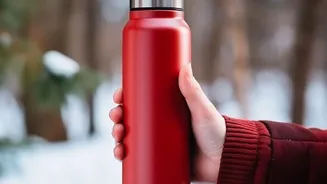







As temperatures drop, reaching for a cold glass of water might be the last thing on your mind. But winter hydration is just as critical as it is in summer, if not more so. Here’s why and how to stay on top of your fluid needs.
The Sneaky Dehydration of Winter
It’s a common misconception
that we don’t need as much water when it’s cold. While you may not feel as thirsty, your body is still losing significant amounts of fluid. Cold, dry air, both outdoors and from indoor heating, pulls moisture from your body through your skin and breath. In fact, when you can see your breath in the cold, you're literally seeing water vapor leaving your body. Furthermore, research shows that the body's thirst response can decrease by up to 40% in colder temperatures, tricking you into thinking you're hydrated when you're not. This is compounded by 'cold-induced diuresis', a phenomenon where cold temperatures cause your blood vessels to constrict, sending more blood to your core and signaling your kidneys to produce more urine, further depleting your fluid levels.
Why It Matters
Even mild dehydration can have noticeable effects. It can lead to fatigue, headaches, dizziness, and difficulty concentrating. Staying properly hydrated supports your immune system, which is especially important during cold and flu season, as it helps keep the mucous membranes that protect against viruses healthy. Good hydration also helps regulate your body temperature, keeping you warmer, and contributes to better skin health by preventing the dryness and chapping often associated with winter. It lubricates joints, which can feel stiffer in the cold, and helps flush toxins from your body.
Embrace Warm Beverages
If a chilly glass of water sounds unappealing, don't force it. Warm beverages are just as hydrating and can feel much more comforting on a cold day. Start your morning with a mug of warm water with a slice of lemon, or sip on caffeine-free herbal teas like chamomile, ginger, or peppermint throughout the day. Even low-sodium broths and clear soups can contribute significantly to your daily fluid intake while providing a nourishing and warming effect. These options make hydration feel like a cozy ritual rather than a chore.
Eat Your Water
You don't have to drink all of your fluids. Many fruits and vegetables have high water content and can be a delicious way to boost your hydration. While summer produce like watermelon is famous for this, plenty of winter-friendly options exist. Add cucumbers, tomatoes, celery, and bell peppers to your meals. Fruits like oranges and apples are also great choices. Incorporating hearty, vegetable-rich soups and stews is another excellent strategy for increasing both your fluid and nutrient intake during the colder months.