






New Services Take Flight
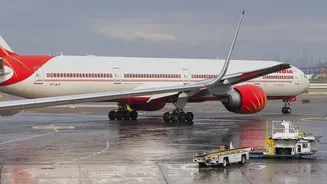
The most significant change comes from Air India Express, which is launching a major expansion connecting South India to the country's biggest cities. Starting September 1, 2026, the airline will introduce new direct, low-cost flights from Madurai to Chennai,
Mumbai, and Delhi. This move is poised to directly challenge the existing market, which on routes like Madurai-Chennai has been largely dominated by a single carrier. By deploying larger aircraft with over 180 economy seats, Air India Express is not just adding a new option; it is significantly boosting the total number of available seats, a key factor in driving down prices. Bookings for these new services have already commenced, signalling the start of a new competitive phase for southern air travel.
The Anticipated Fare Drop
The introduction of new low-cost competition is widely expected to trigger a much-needed correction in ticket prices. On routes with limited options, fares have been known to surge dramatically during peak travel periods. Industry watchers predict that the entry of Air India Express on the Madurai-Chennai sector could bring fares down to a level comparable with similar competitive routes, which often see prices in the ₹2,000 to ₹2,500 range for advance bookings. This would be a substantial saving compared to the ₹6,000 to ₹9,000 or more that travellers often pay for last-minute tickets on trunk routes from the south to Delhi and Mumbai. The principle is simple: more seats and more airline choices force carriers to compete on price, a clear win for consumers.
A Battle for the Southern Skies
This expansion is more than just adding routes; it's a calculated strategic move by the Air India group. In a market where IndiGo and the combined Air India entities control roughly 90% of domestic capacity, these new flights represent a direct challenge on profitable, high-demand sectors. By using its low-cost arm, Air India Express, the Tata-owned airline can aggressively compete on price without diluting its full-service brand. This strategy allows the group to fight for market share in the budget-conscious segment while maintaining its premium offerings on major metro connections. It signals a new phase in India's aviation rivalry, where the fight for passengers is moving from the main metro hubs into lucrative regional strongholds.
The Ripple Effect Across the Region
While Madurai is the initial focus, the impact of this increased competition is unlikely to remain isolated. When a major airline adds capacity and lowers fares on one key route, it often creates a ripple effect. Competing airlines may be forced to adjust their pricing on parallel routes from nearby cities like Tiruchirappalli or Coimbatore to avoid losing passengers. Furthermore, broader network expansions also benefit southern travellers. For instance, Air India's recently announced seasonal service from Mumbai to Toronto provides a more convenient one-stop connection for passengers originating from Chennai, Bengaluru, and Hyderabad, creating more options and putting competitive pressure on international fares as well.
How to Take Advantage of the New Fares
For travellers, this new environment presents a golden opportunity to save money. The most important tip is to plan ahead. To secure the best prices on these new routes, aim to book your tickets at least three to six weeks in advance. Use online travel portals and fare comparison websites to monitor prices actively, as airlines will likely adjust their fares frequently in response to each other's moves. Be flexible with your travel dates if possible; flying mid-week is often cheaper than on weekends. As these new Air India Express flights become operational from September, keep a close watch on their introductory offers, which can provide significant initial savings.