







A New Culinary Season
Forget the usual suspects. As the first rains soak the soil, a quiet revolution is taking place in India’s most innovative kitchens. Chefs are looking beyond their regular suppliers and venturing, sometimes literally, into the wild. They are rediscovering
a treasure trove of seasonal, hyperlocal ingredients that our ancestors knew intimately but which modern supply chains have largely ignored. This isn't just about adding a new vegetable to the plate; it's about capturing the very essence of the monsoon, with all its earthy, raw, and untamed energy. This shift is transforming seasonal menus from predictable to theatrical, offering diners a taste of the landscape itself.
The Forager's Bounty
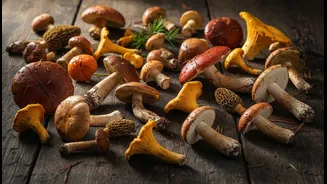
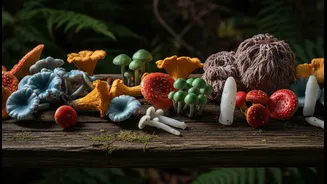
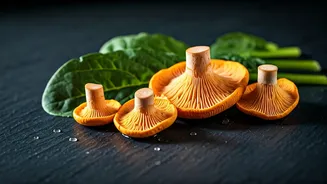
So, what are these wild stars of the monsoon menu? In Maharashtra, you might find *phodshi*, a tender wild green with a delicate, slightly pungent flavour, often appearing in simple stir-fries. There's also the spiny gourd, known as *kartuli* or *kakora*, which looks like a tiny, fierce jackfruit and offers a wonderfully bitter crunch when fried. From the forests of the Himalayas to the Western Ghats, a variety of wild mushrooms are being harvested, each with a unique, umami-rich profile that stands up to bold spices. Other finds include foraged moringa flowers, the sour *ambada* leaves, and even wild berries, each bringing a distinct note of flavour and a powerful story of its origin.
From Forest to Fine Dining
This embrace of the wild is part of a larger global movement towards sustainability and hyperlocal sourcing, but in India, it has a deeper resonance. It’s a reconnection with tradition. For generations, rural and tribal communities have relied on these foraged foods for nutrition and medicine. Now, chefs in cities like Mumbai, Delhi, and Bengaluru are collaborating with foragers and local communities to bring this knowledge into the mainstream. They are not just using these ingredients; they are celebrating them. By placing a humble green like *shevala* (dragon stalk yam) or a wild flower at the centre of a fine-dining dish, they are elevating its status and challenging our perceptions of what constitutes luxury.
A Taste of the Wild
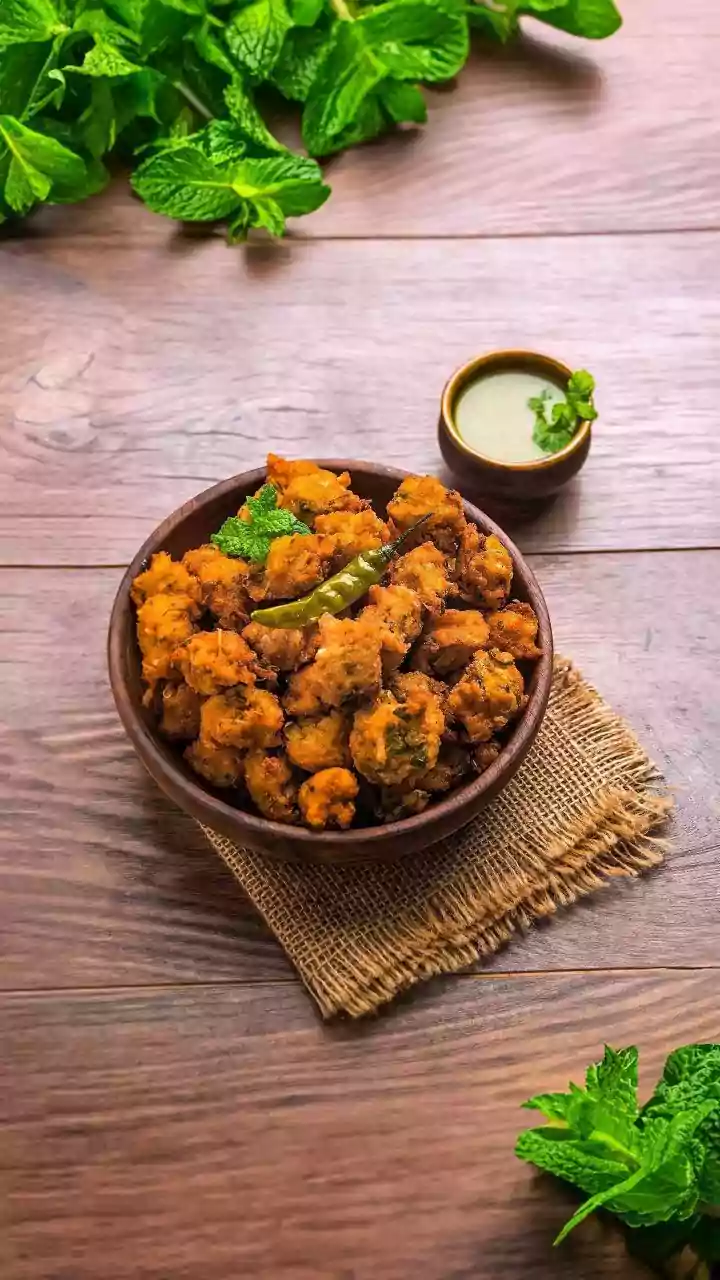
The creativity this trend has unleashed is remarkable. A restaurant in Mumbai might serve a delicate *phodshi* tempura with a spicy dip, transforming a simple green into an elegant appetiser. In Goa, a chef might incorporate wild red spinach into a vibrant seafood curry, its slightly earthy taste complementing the sweetness of the prawns. You might find a wild mushroom risotto seasoned with Indian spices, or a rustic *kakora* sabzi served with artisanal bread. This isn't about mimicry; it's about integration. Chefs are using modern techniques to highlight the inherent qualities of these ingredients, creating dishes that are both innovative and deeply rooted in their sense of place.
More Than Just a Passing Trend
While the novelty is exciting, the movement towards wild ingredients is about more than just culinary drama. It's a step towards a more sustainable food system. By promoting biodiversity and supporting local ecosystems, these chefs are helping to preserve India's rich agricultural heritage. It also provides a vital economic link for foraging communities, valuing and rewarding their traditional knowledge. For the diner, it’s an invitation to be more adventurous, to eat with the seasons, and to understand that the most exciting flavours are often not farmed, but found. It challenges the palate and expands our understanding of what Indian food can be.