

A Shift from Mass-Produced to Artisanal
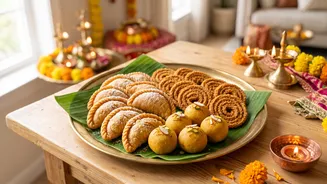
For generations, Diwali gifting has been synonymous with boxes of familiar sweets like Kaju Katli, Ladoos, and Soan Papdi, often purchased from large, well-known establishments. However, a noticeable trend has emerged. Consumers are now actively seeking
out artisanal or gourmet mithai, which is handcrafted in smaller quantities. This shift is driven by a growing desire for quality over quantity and a move away from industrial-scale production that can sometimes prioritise shelf life over flavour. Unlike their factory-made counterparts, small-batch sweets are often made with a focus on high-quality, natural ingredients, avoiding the preservatives and artificial flavours common in mass-market products. This conscious choice reflects a larger change in consumer behaviour, where the story and craftsmanship behind a product are just as important as the product itself.
The Search for Authenticity and Nostalgia
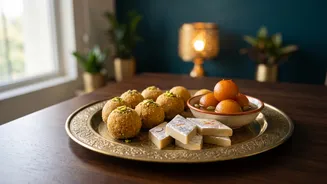
For many, traditional sweets are deeply intertwined with memories of childhood and family celebrations. The aroma of cardamom and saffron or the texture of a perfectly made ladoo can evoke powerful feelings of nostalgia. Artisanal sweet makers often use time-honoured recipes and techniques passed down through generations, preserving regional specialties and authentic flavours. This connection to heritage is a significant part of their appeal. In a market flooded with modern desserts and fusion foods, these traditional sweets offer a taste of something genuine and rooted in culture. Gifting a box of handcrafted mithai becomes more than a simple exchange; it is a gesture of sharing a piece of cultural history and the warmth of home-cooked traditions.
The Rise of the Health-Conscious Gifter
Health and wellness have become major considerations in all aspects of life, and festive gifting is no exception. Growing concerns about high sugar content and the use of substandard ingredients in mass-produced sweets have led many to seek healthier alternatives. Small-batch producers often cater to this demand by using superior ingredients like pure A2 ghee, natural sweeteners such as jaggery and dates, and high-quality nuts and flours. Many also offer options with controlled portion sizes, lower sugar content, or sugar-free variations, which appeal to a broad range of consumers, including those managing health conditions like diabetes. This focus on 'better-for-you' ingredients allows people to indulge in festive treats without compromising their health goals.
Exclusivity and the Art of Gifting
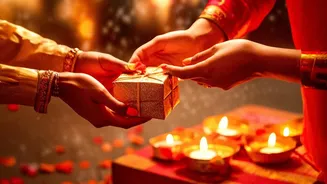
Diwali gifting, especially in corporate circles, has become more sophisticated. Many are moving away from generic gifts toward items that feel unique and personal. Small-batch sweets fit perfectly into this trend. Because they are not mass-produced, they carry an air of exclusivity. Artisanal makers often pay close attention to presentation, with beautiful, thoughtful packaging that elevates the entire gifting experience. Giving a box of handcrafted sweets sends a message of care and discernment; it shows that the giver has put thought into selecting something special, rather than simply picking up a standard box from a supermarket. Each piece of mithai tells a story of craft and creativity, making the gift feel more like a luxurious, curated experience.
Supporting Local and Home-Based Artisans
The movement to support local businesses has gained significant momentum, and the festival season amplifies this sentiment. Many of these small-batch sweets are made by home chefs or local artisans who have turned their passion for traditional recipes into a business. By choosing their products, consumers are not only getting a superior product but are also supporting these small enterprises and helping to keep traditional culinary arts alive. This sense of community and ethical consumerism adds another layer of appeal. For many buyers, knowing their purchase contributes to a local artisan's livelihood makes the celebration even more meaningful. It transforms the act of gifting into an act of community support, preserving the skills and traditions that define India's rich culinary heritage.