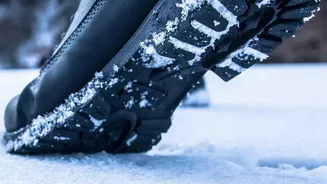







The crisp, cool air of fall makes it a perfect season for outdoor workouts. But this beautiful season also brings unpredictable weather that can change in an instant. Being prepared is key to staying safe, comfortable, and consistent with your routine.
Why Fall Weather is Deceptively Tricky
After a hot summer, cooler temperatures can feel like a relief, often making your usual run or bike ride feel easier. However, fall is a transitional season marked by rapid shifts. A sunny, mild morning can quickly turn into a windy, cold, and rainy afternoon. These sudden temperature drops, increased wind, and wet conditions from rain or morning dew create unique challenges. Slippery surfaces from wet leaves can increase the risk of slips and falls, while colder muscles are more prone to strains if not properly warmed up. It's easy to underestimate the need for hydration in cooler weather, but your body still requires plenty of fluids during exercise.
Look Beyond the Thermometer
Checking the daily high temperature isn't enough. To truly prepare, you need to look at the hourly forecast and pay attention to a few key metrics. First, check the 'feels like' or wind chill temperature. Wind strips heat away from your body, making the air feel significantly colder than the actual temperature. For example, an air temperature of 4°C can feel like freezing with a 32 km/h wind. Also, monitor wind speed and direction. A strong headwind can dramatically increase the effort of your workout, while a tailwind can assist you. Finally, check the precipitation probability and type. A light drizzle is different from a heavy downpour, and knowing what to expect helps you choose the right gear.
Your Essential Weather Alert Toolkit
A reliable weather app on your smartphone is an indispensable tool for any outdoor athlete. Look for apps that provide real-time, location-based alerts for severe weather. Features like interactive radar maps, hourly forecasts, and wind speed data are incredibly useful. Many modern weather apps are designed specifically for activities like running or cycling, offering forecasts tailored to your route and pace. Beyond commercial apps, the official websites and apps from government weather services, like the National Weather Service, are excellent sources for watches, warnings, and advisories. For added security in areas with poor cell service, a portable NOAA Weather Radio can be a lifesaver.
Decoding Common Weather Alerts
Understanding official alerts helps you make smart decisions. A 'Wind Advisory' is issued for strong winds that could make activities difficult, but are not yet considered severe. A 'High Wind Warning' indicates that sustained strong winds or even stronger gusts are happening or imminent, which could be dangerous due to flying debris or difficulty maintaining balance. Other fall-specific alerts to watch for include 'Frost Advisory' for early mornings, which can create slick surfaces, and 'Flood Watch' or 'Flood Warning' if heavy rain is in the forecast, suggesting you should avoid low-lying trails.
Dress in Layers for Success
The golden rule for exercising in cool, variable weather is to dress in layers. This allows you to adapt as your body warms up or as conditions change. Start with a snug, moisture wicking base layer made of a synthetic fabric like polyester or a natural fiber like merino wool. This layer pulls sweat away from your skin to keep you dry. Avoid cotton, as it traps moisture and can make you feel cold and damp. Your middle layer should provide insulation; fleece or wool works well. The outer layer should be your shield against the elements—a lightweight, wind and water resistant jacket is ideal. Don't forget accessories like gloves, a hat, and moisture wicking socks to protect your extremities.