



A Shift from Aesthetics to Longevity
The narrative in Indian fitness is changing. The once-dominant goal of purely aesthetic fitness is giving way to a more holistic approach focused on functional strength, mobility, and long-term wellness. Younger generations, including Millennials and Gen
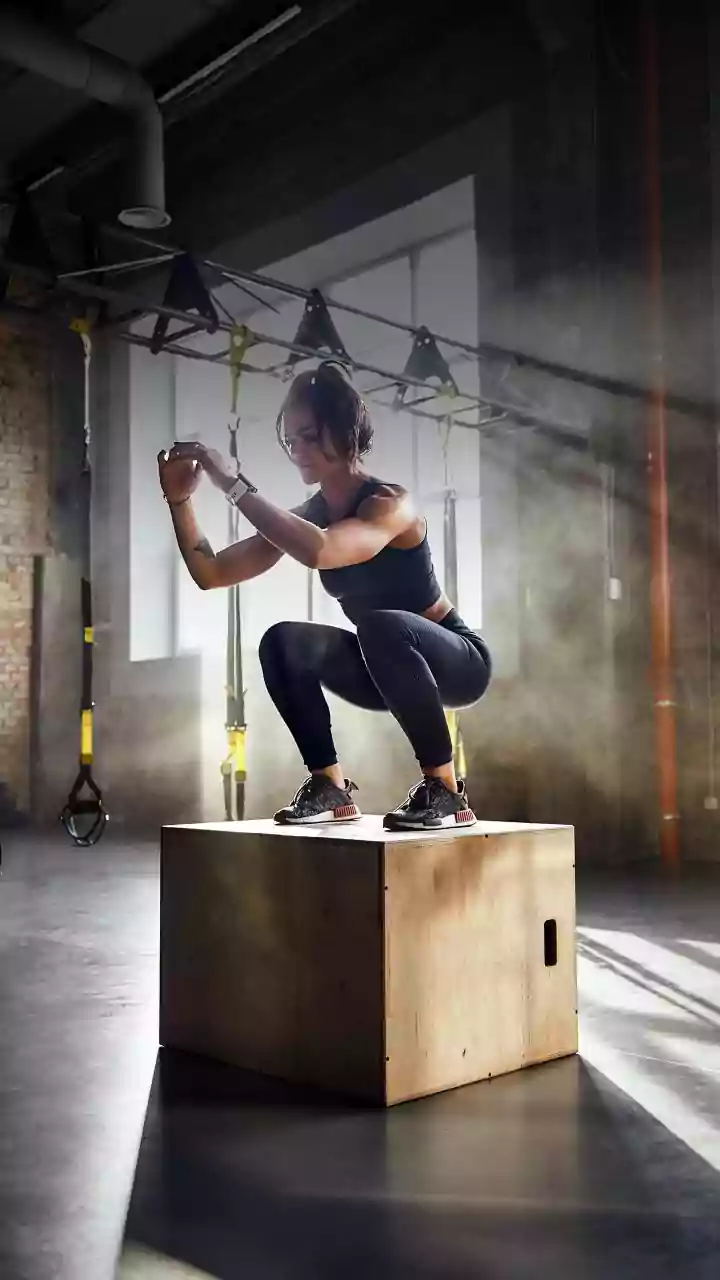
Z, are increasingly prioritizing how their bodies perform in daily life over just how they look. This has led to a pivot from relentless, high-intensity workouts to more sustainable practices that promise longevity. The focus is now on feeling strong, capable, and mentally clear, a departure from the 'heavier, faster, more' philosophy that characterized the previous era. Many are seeking relief from sedentary, desk-bound professional lives, not by adding more intensity, but by improving mobility and reducing pain.
The Resurgence of 'Desi' Fitness
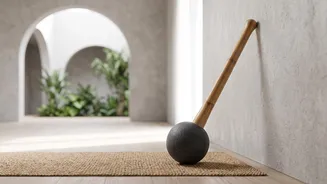
In this quest for holistic health, ancient Indian physical disciplines are finding a new and enthusiastic audience. Traditional martial arts like Kalaripayattu and Silambam, pole gymnastics like Mallakhamb, and warrior conditioning tools like the Gada (mace) and Mudgar (clubs) are experiencing a significant revival. Once confined to specific regions or traditional 'akharas' (wrestling schools), these practices are now being adopted in urban centres. Kalaripayattu, with its movements inspired by nature, is valued for improving mobility, focus, and mental clarity. Similarly, Mallakhamb, which involves performing complex postures on a pole or rope, is recognized for developing exceptional core strength, balance, and coordination.
Why Tradition is Trending
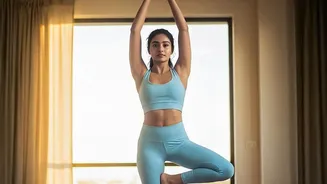
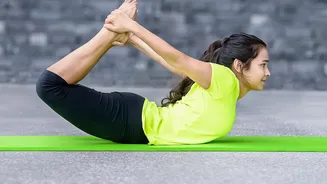
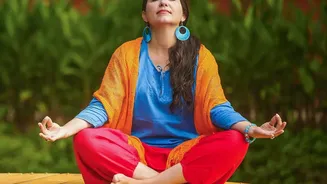
Several factors are driving this homecoming. For many, these practices offer more than just physical exercise; they provide a sense of cultural connection and identity. The philosophy behind disciplines like yoga and Kalaripayattu, which emphasize the union of body, breath, and mind, resonates deeply with those seeking to manage modern-day stress and burnout. There's also a practical appeal. Many traditional workouts are highly functional and can be practiced with minimal equipment, making them accessible and affordable. Professionals with erratic schedules find that they can practice forms like Kalari on the move, without needing a gym membership. This blend of cultural rootedness, mental health benefits, and accessibility is proving to be a powerful combination.
The Future is Hybrid
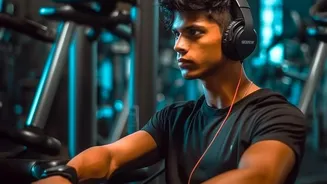
This trend isn't about completely replacing modern gyms with traditional akharas. Instead, a hybrid model is emerging as the future of fitness in India. Many young fitness enthusiasts are creating complementary routines, using a Kalari session for mobility and focus while heading to the gym for strength and endurance training. Modern fitness centres themselves are starting to incorporate 'desi' elements, offering classes in traditional practices or adding tools like the Gada to their weight rooms. This fusion combines the best of both worlds: the ancient wisdom of holistic wellness with the scientific principles and community aspects of modern fitness, creating a uniquely Indian approach to health that is both rooted and contemporary.