




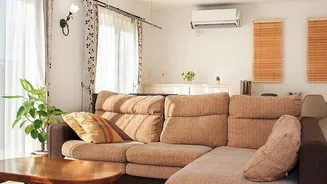


Not Just For Guests Anymore
The daybed’s history is long and surprisingly varied, from ancient Egyptian loungers to Victorian-era 'fainting couches'. For centuries, it has occupied a space between a formal seat and a private bed. But its 2026 resurgence in Indian homes isn't about
nostalgia; it’s about smart, modern living. As urban homes become more compact, the demand for multifunctional furniture that saves space without sacrificing style is booming. Homeowners are increasingly seeking adaptable pieces for dynamic lifestyles, from remote work to hosting guests. The daybed perfectly answers this call, evolving from a simple guest bed into a key player in the main areas of the home.
The Living Room's New Centrepiece
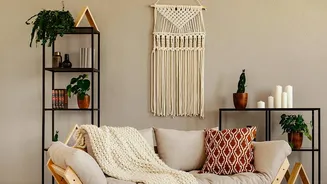
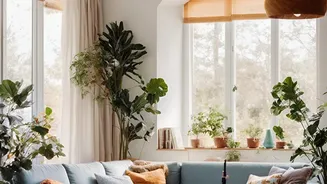
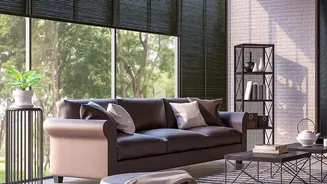
In the living room, the daybed offers a relaxed and inviting alternative to a traditional sofa. Its low profile and often backless design can make a room feel more open and airy. Unlike a bulky sofa built for sitting upright, a daybed is engineered for leisure—sprawling out with a book, enjoying a cup of chai, or simply lounging. Designers are using them as central, sculptural elements that soften rigid layouts. To style it like a sofa, the key is layering. Start with large pillows against the wall or back frame, then add smaller accent and lumbar cushions to provide back support and a sense of depth. A thoughtfully draped throw blanket completes the transformation from bed to chic seating.
The Home Office Hero
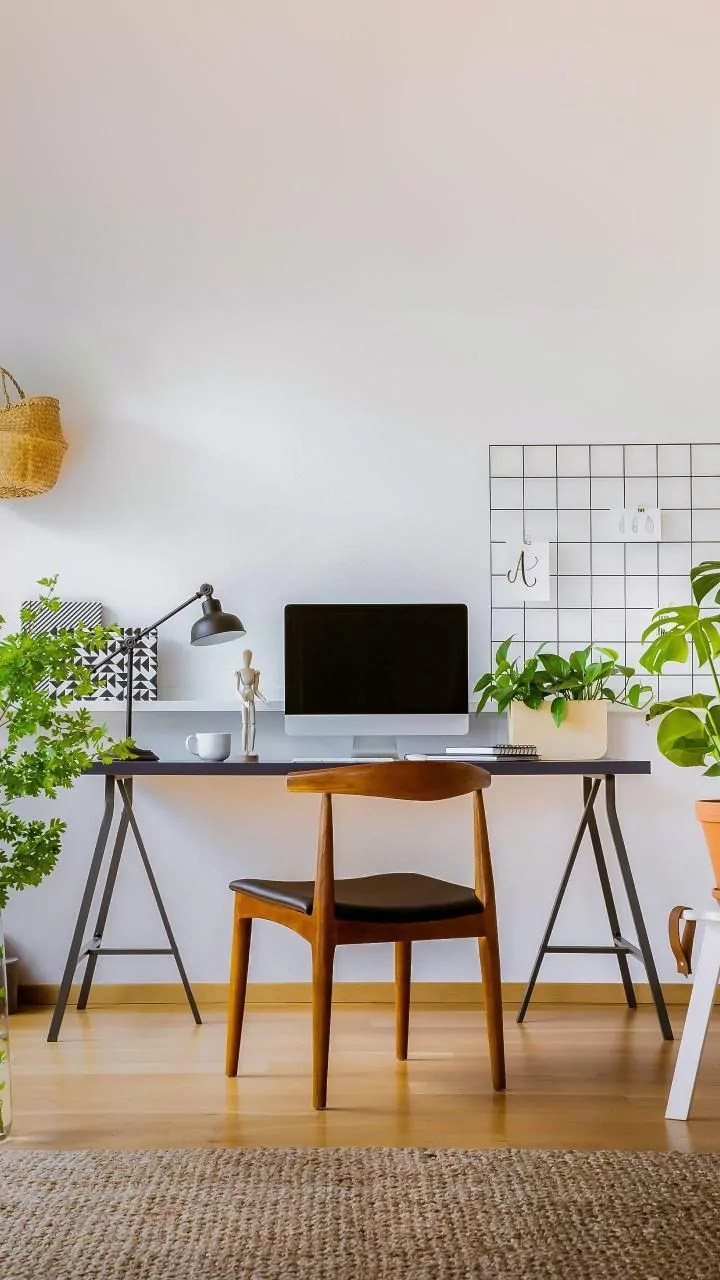
With hybrid work now a permanent fixture for many, the home office is no longer just a desk in a corner. It’s a space that needs to be productive, comfortable, and versatile. The daybed has emerged as a secret weapon for creating a multifunctional workspace. It provides a ‘third space’ away from the desk—a spot for taking calls, reading reports, or taking a much-needed power nap to recharge. For those with smaller homes, it allows the office to seamlessly convert into a welcoming guest room. When choosing a daybed for an office, slim profiles with built-in storage drawers are particularly effective, as they keep the room feeling organised and uncluttered.
Creating Your Personal Retreat
Beyond its more public-facing roles, the daybed excels at creating intimate, personal nooks for rest and relaxation. Placed under a window, in a quiet corner of a primary bedroom, or on a spacious landing, it can become a dedicated sanctuary. This isn't just about adding seating; it's about carving out a space designed for pause. In a culture that rarely stops, a piece of furniture that quietly encourages you to lie back and rest feels like a small act of rebellion. It can be your reading corner, a meditation spot, or simply a place to gaze out the window. This ability to create a sense of retreat within the home is a huge part of its growing appeal.
Finding the Right Fit
The modern daybed comes in a vast array of styles, from minimalist wooden frames that suit a Scandinavian aesthetic to upholstered versions in rich velvets for a more luxurious feel. Indian-inspired designs in materials like Sheesham wood, often featuring intricate carvings and built-in storage, bring traditional elegance to the form. When selecting a daybed, consider its primary function. If it’s mainly for seating, focus on a sturdy frame and comfortable back cushions. If it will be used often for sleeping, investing in a quality twin mattress is crucial for comfort. Ultimately, the daybed's strength lies in its chameleon-like ability to be whatever you need it to be: a sofa, a bed, a lounger, or a statement piece.