
An Ancient Answer to a Modern Problem
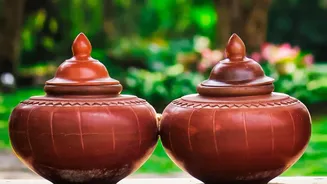
Imagine an irrigation system that has been perfected over 4,000 years, used by ancient civilizations in North Africa, China, and the Americas. Now, imagine that same technology is the perfect solution for your urban balcony garden. Meet the olla (pronounced
‘oy-yah’), a simple, unglazed terracotta pot that, when buried in soil, provides a consistent and self-regulating water supply directly to your plants' roots. For balcony gardeners who face the dual challenges of pots drying out quickly in the sun and wind, and the risk of overwatering in a confined space, the olla is a game-changer. It’s a completely passive, eco-friendly system that requires no electricity or complicated timers.
The Simple Science of Olla Irrigation
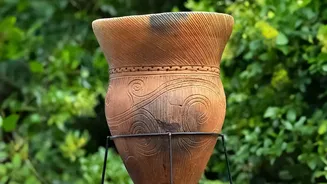
The genius of the olla lies in its simplicity. An unglazed clay pot is porous, meaning it's covered in microscopic holes. When you bury an olla in a pot and fill it with water, a natural process called soil moisture tension takes over. The water doesn't just leak out; it is actively pulled through the clay by the surrounding dry soil and the plant roots themselves. If the soil is already moist after a good rain, the water stays inside the olla. When the soil begins to dry, it 'asks' the olla for water, which then seeps out exactly where it’s needed—at the root zone. This creates a perfectly balanced system, preventing the stressful wet-dry cycles that can harm container plants and lead to issues like blossom end rot in tomatoes.
Benefits for Your Balcony Garden
Using ollas in your balcony containers offers a wealth of advantages. First and foremost is water conservation; studies show this method can be significantly more efficient than surface watering because it eliminates evaporation and runoff. Second, it promotes healthier plants. By delivering water directly to the roots, it encourages deep and dense root growth, which improves nutrient uptake. Third, it saves you time and effort. Instead of daily watering, you may only need to refill the olla once or twice a week, depending on the weather and plant size. This also makes it a fantastic 'vacation-proofer' for your plants. Finally, by keeping the soil surface drier, it can help reduce weed growth and deter some common garden pests.
Setting Up Your Olla System
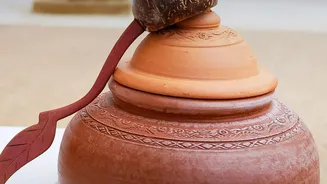
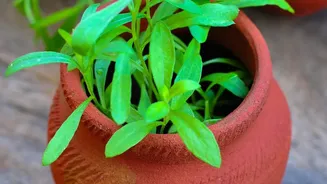
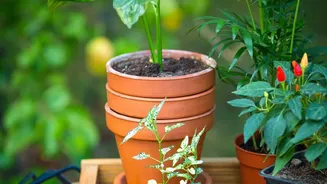
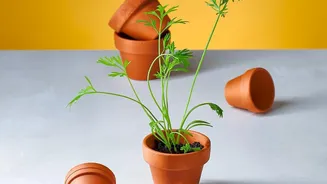
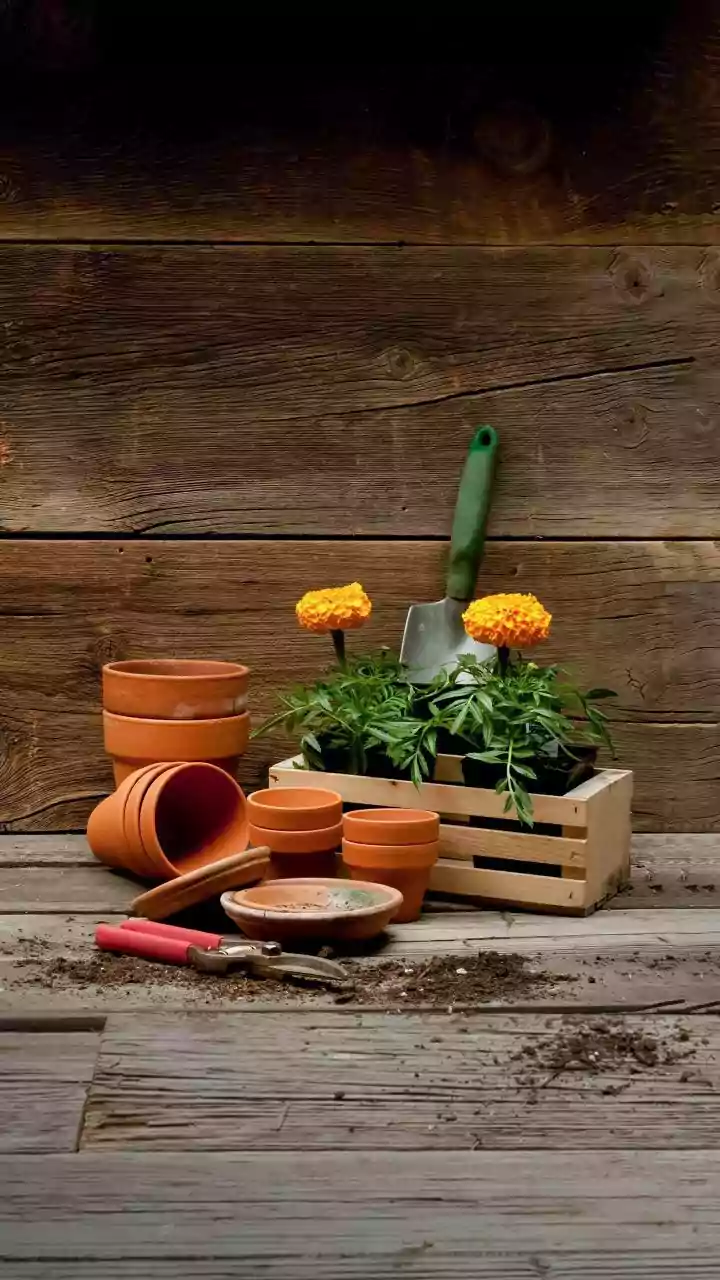
Getting started with ollas is incredibly straightforward. You can purchase purpose-made ollas or create your own. A simple DIY method involves using a standard unglazed terracotta pot. Just plug the drainage hole at the bottom with waterproof putty or silicone, and let it cure. To install, dig a hole in your container large enough to bury the pot, leaving only the top neck or rim exposed. Place your olla in the centre. Plant your seedlings or smaller plants around it, ensuring good contact between the soil and the olla's surface. Give your new plants a good initial surface watering to help them get established. After that, simply fill the olla with water and place a lid or a small stone over the opening to prevent evaporation and keep mosquitoes and debris out.
Best Plants and Practices
Ollas work best with plants that have fibrous root systems and prefer consistent moisture. This includes many popular balcony choices like tomatoes, peppers, chillies, basil, mint, and leafy greens. Fruiting plants like squash, cucumbers, and melons are also excellent candidates, as the consistent water supply helps prevent bitter-tasting fruit. While most plants thrive, avoid using ollas with drought-loving succulents or plants with very strong, woody roots that could potentially crack the pot over time. For best results, use at least a 20-litre (5-gallon) container to ensure there's enough room for both the olla and the plant's roots. Check the water level every few days and refill as needed, never letting it go completely dry.