





The Hero of the Indian Breakfast
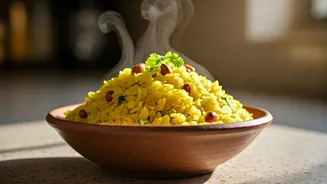
We're talking about Poha. Yes, that simple, unassuming dish of flattened rice that has been a quiet cornerstone of Indian kitchens for generations. It may not have the glamour of an avocado toast or the global fame of a croissant, but for millions across
the subcontinent, Poha is the taste of home. It’s the smell of a mother’s cooking, the sound of sputtering mustard seeds heralding a good day, and the warmth of a meal that nourishes both body and soul. In the grand pantheon of breakfast foods, Poha is the gentle, reliable hero we often take for granted.
An Ode to Simplicity
The genius of Poha lies in its beautiful simplicity. At its core, it is just flattened rice (aval or chivda) that is rehydrated and then lightly sautéed. But this simplicity is a canvas, not a limitation. It requires no overnight soaking, no grinding, and no lengthy fermentation. It’s a 15-minute miracle. The rice flakes, light and airy, are masters of absorption, readily taking on the flavours of whatever they are cooked with. This makes Poha incredibly versatile, a quality that has allowed it to be embraced and adapted by diverse culinary traditions across India, from the west coast of Maharashtra to the heart of Madhya Pradesh.
A Symphony in a Bowl
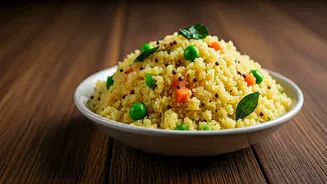
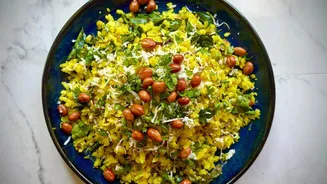
To understand Poha is to understand the art of tempering, the 'tadka' that forms the flavour base of so much Indian cooking. The process is a sensory delight. First, the crackle of mustard seeds in hot oil, followed by the earthy aroma of curry leaves and the sharp punch of asafoetida. Then comes the onion, sautéed until soft and sweet, perhaps with a handful of peanuts for a welcome crunch. The soaked Poha is added, along with a pinch of turmeric that transforms the pale flakes into a brilliant, sunny yellow. The final dish is a masterful balance of textures and tastes: the softness of the rice, the crunch of peanuts, the sweetness of onions, the subtle heat from green chillies, all brought together with a final squeeze of lime and a generous garnish of fresh coriander.
A Dish of Many Homes
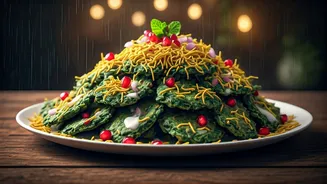
While the basic template remains, Poha wears many hats. In Maharashtra, Kanda Poha (onion poha) is king, a savoury, comforting staple often enjoyed with a cup of chai. Travel to Indore, and you’ll find a completely different experience. Indori Poha is famously steamed, not sautéed, making it incredibly soft. It’s served with a unique sweet and spicy flavour profile and garnished lavishly with fennel seeds, pomegranate arils, and crispy sev, creating a riot of flavours that is both surprising and addictive. In other regions, you might find potatoes (Batata Poha), peas, or other seasonal vegetables making an appearance. Each variation tells a story of its region, a testament to the dish's adaptability.
Why It's the Ultimate Comfort
So what makes Poha the perfect comfort meal for the morning? It's light on the stomach yet provides sustained energy, thanks to its healthy carbohydrate content. It’s easily digestible and, when prepared with minimal oil and plenty of vegetables, is a genuinely healthy start to the day. But its true comfort factor is emotional. Poha is nostalgia in a bowl. It’s a flavour profile that is deeply ingrained in our collective memory. It doesn’t demand your full attention; it simply offers quiet, dependable satisfaction. It’s the food you can turn to on a busy Tuesday or a lazy Sunday, and it will never disappoint.