


A Return to Earthen Roots
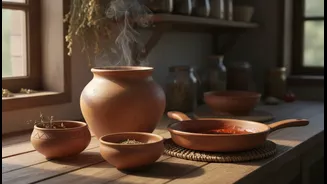
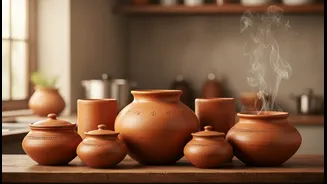
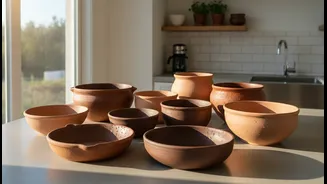
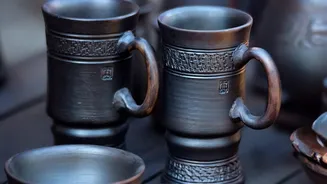
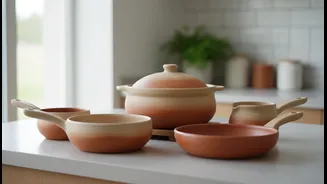
The resurgence of clay cookware, or mitti ke bartan, is more than just a nostalgic trend; it's a conscious choice. For generations, Indian kitchens relied on these humble vessels, from the rounded handi perfect for slow-cooking curries to the simple matka
for keeping water cool. Today, as home cooks seek more authentic and mindful ways of preparing food, clay pots are being recognised not as relics, but as a sophisticated tool for enhancing flavour and well-being. This movement connects a desire for chemical-free cooking with an appreciation for sustainable, handcrafted goods that tell a story.
The Science of Superior Taste
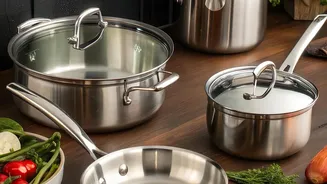
One of the most celebrated benefits of clay cookware is its effect on flavour. Clay is naturally porous, which allows heat and moisture to circulate evenly throughout the pot. This creates a slow, gentle cooking environment that is difficult to replicate with metal. Instead of food drying out or burning in hot spots, it cooks uniformly in its own juices, leading to more tender and succulent results. This process locks in the natural flavours and aromas of the ingredients, creating dishes that are noticeably richer and more complex. The subtle, earthy essence the pot itself imparts adds a unique character that metal cookware simply cannot match.
A Healthier Way to Cook
The health benefits are a major driver behind the clay pot revival. First, unglazed clay pots are 100% natural and free from synthetic chemicals like those found in some non-stick coatings, ensuring that no harmful substances leach into your food. Furthermore, clay is alkaline in nature. Proponents suggest that when it interacts with acidic foods, it helps to balance the pH, making meals easier to digest. The slow-cooking method also helps in preserving delicate nutrients, vitamins, and minerals that can be destroyed by the high, intense heat of metal pans. Some studies have found that clay pot cooking can retain a significantly higher percentage of nutrients compared to conventional cookware.
Choosing and Caring for Your Pot
Getting started with clay cookware requires a little knowledge. When buying, especially if it's glazed, look for certifications that it is lead-free to ensure safety. Unglazed pots are often preferred for their superior porosity and traditional benefits. Before its first use, a new unglazed pot must be seasoned. This typically involves soaking it in water for several hours to strengthen the clay and prevent cracking. Cleaning is also different; you should never use soap or harsh detergents on unglazed clay, as the porous material can absorb them. Instead, use hot water, a stiff brush, and natural abrasives like baking soda or salt for cleaning. Always allow the pot to dry completely before storing it in a well-ventilated spot to prevent mould.
Making It Part of Your Kitchen
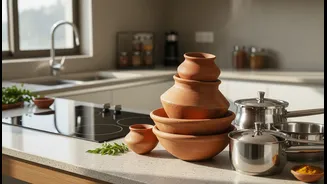
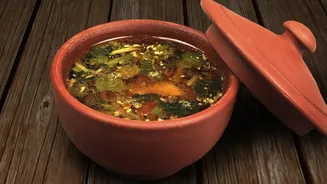
Integrating clay pots into your cooking routine is straightforward. They are perfect for a wide range of Indian dishes, including slow-cooked dals, fragrant biryanis, and rich meat or vegetable curries where flavours need time to meld. Because clay pots retain heat so well, you can often cook at a lower temperature and even turn off the flame a few minutes early, letting the residual heat finish the job. This not only saves energy but also keeps food warm for longer at the dining table. Remember to always start cooking on a low flame and increase the heat gradually to avoid thermal shock, which can cause the pot to crack.