




Understanding Your Gut Microbiome
Before we dive into the grains, it's important to understand what the microbiome is. Think of your gut as a bustling city of trillions of microorganisms, including bacteria, fungi, and viruses. This community is your gut microbiome. A healthy and diverse
microbiome is crucial for good digestion, a strong immune system, and even your mood. The food you eat directly influences which types of bacteria thrive. Refined foods can feed 'bad' bacteria, while fibre-rich foods nourish the 'good' guys.
White Rice vs. Millets: The Key Differences
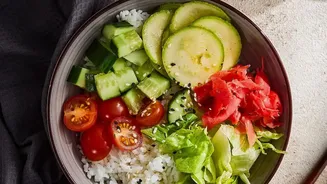
Polished white rice is a staple in many Indian households. It’s easy to cook and digest. However, the polishing process strips away most of its fibre and many essential nutrients, leaving behind simple starch. This causes rapid spikes in blood sugar. Millets like foxtail (kangni) and sorghum (jowar), on the other hand, are whole grains. They are packed with protein, minerals, and most importantly, dietary fibre. This fibre is what makes them a superior choice for your gut health.
Foxtail Millet: The Fibre-Rich Prebiotic
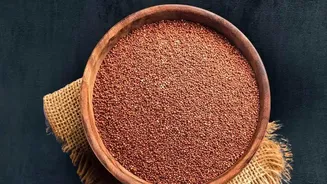
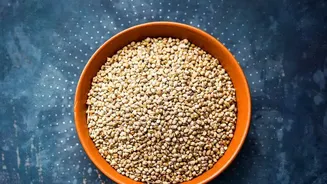
Foxtail millet, known as Kangni in Hindi, is a nutritional powerhouse. Compared to white rice, it contains nearly double the protein and about 25 times more dietary fibre. This fibre acts as a prebiotic, which means it serves as food for the beneficial bacteria in your gut. A healthy population of good bacteria helps improve digestion, prevent constipation, and reduce bloating. The high fibre content also slows down digestion, keeping you feeling full for longer and helping to manage weight.
Sorghum: The Antioxidant-Packed Gut Guardian
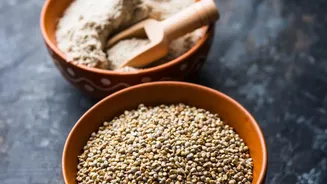
Sorghum, or Jowar, is another excellent gluten-free alternative to white rice. It is particularly rich in dietary fibre, providing a significant portion of your daily needs in a single serving. What makes sorghum stand out are its high levels of antioxidants and phenolic compounds. These compounds help reduce inflammation in the gut and protect intestinal cells from damage. Sorghum also contains resistant starch, which bypasses digestion in the small intestine and ferments in the colon, feeding beneficial bacteria and promoting a healthy gut lining.
Making the Switch: Practical Tips and Tricks
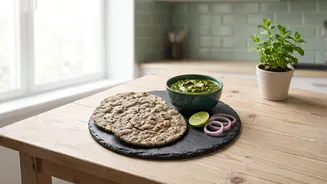
Switching from rice to millets doesn't have to be difficult. Start slowly by mixing a small amount of cooked millet into your rice, gradually increasing the proportion. Foxtail millet is often considered the easiest to start with as its taste and texture are closest to rice. For cooking, it's crucial to soak most millets for at least 30 minutes to a few hours. This softens the grain and reduces anti-nutrients. Cook foxtail millet and sorghum using a 1:2 or 1:2.5 grain-to-water ratio, similar to rice. You can use them as a direct substitute in dishes like pulao, khichdi, or simply as a side to your favourite curries. Jowar flour is also famously used to make wholesome rotis.