




The Gluten-Free Clarification
First, let's address the 'gluten-free' aspect. The headline highlights quinoa's naturally gluten-free status, which is true. Quinoa is a seed that is prepared and eaten like a grain and contains no gluten, making it a safe choice for those with celiac
disease or gluten sensitivity. However, it's important to note that rice, in all its forms including white and brown, is also naturally gluten-free. The key difference isn't the presence of gluten, but the overall nutritional package each grain offers. When buying either, it's wise to check for a 'certified gluten-free' label to avoid cross-contamination during processing.
The Protein Powerhouse: Quinoa Puffs
Where quinoa puffs truly stand out is their protein content. Quinoa is one of the few plant-based foods that is a 'complete protein', meaning it contains all nine essential amino acids your body needs. When you compare them gram for gram, quinoa offers significantly more protein than rice. For example, a serving of cooked quinoa has about double the protein of a similar serving of white rice. This makes quinoa puffs a more satiating option, helping you feel fuller for longer. This higher protein content is a major reason why health-conscious consumers are making the switch.
Fiber Content and Digestive Health
Fiber is another area where quinoa has a distinct advantage. Cooked quinoa contains substantially more dietary fiber than cooked white rice—in some cases, up to seven times more. Puffed rice, in particular, has very little fiber. Dietary fiber is crucial for good digestion, promoting regularity and feeding beneficial gut bacteria. It also plays a key role in slowing down digestion, which helps manage blood sugar levels and contributes to that feeling of fullness, aiding in weight management.
Calories and Carbohydrates
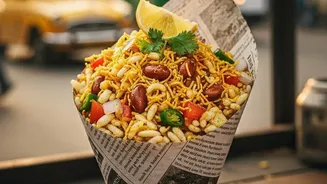
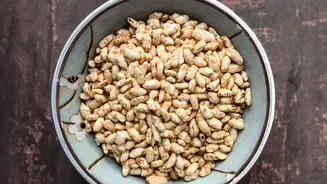
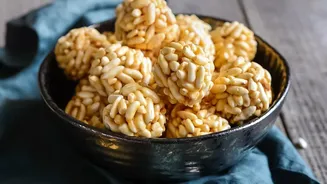
If your primary goal is a low-calorie, light snack, puffed rice often comes out ahead. It is incredibly airy and generally has fewer calories and carbohydrates per cup than quinoa puffs. This makes it a popular choice for those looking for a quick, light energy boost or a low-calorie base for snacks like bhel puri. However, the carbohydrates in puffed rice are digested more quickly. The puffing process can increase the glycemic index (GI) of grains, meaning they can cause a faster spike in blood sugar. While this affects both, the lower fiber and protein in puffed rice make its GI higher than that of puffed quinoa.
Micronutrient Profile
Beyond the macros, quinoa puffs deliver a richer profile of essential vitamins and minerals. Quinoa is a good source of minerals like magnesium, iron, and manganese, which are vital for everything from bone health to energy production. White rice, on the other hand, is often stripped of its bran and germ during processing, which removes many of these nutrients. While some white rice is enriched with B vitamins and iron, quinoa naturally provides a broader spectrum of these micronutrients.
The Verdict: Which Puff Is for You?
Choosing between quinoa puffs and puffed rice depends entirely on your personal health goals. Choose quinoa puffs if: - You want to increase your protein and fiber intake. - You are looking for a more nutrient-dense snack that will keep you feeling full and satisfied. - You need a snack that has a lower impact on your blood sugar levels. Choose puffed rice if: - Your main priority is finding a very low-calorie and low-fat snack. - You need a light, easily digestible carbohydrate source, perhaps before a workout. - You are looking for a more budget-friendly and widely available option.