



Joining an Elite Global Club
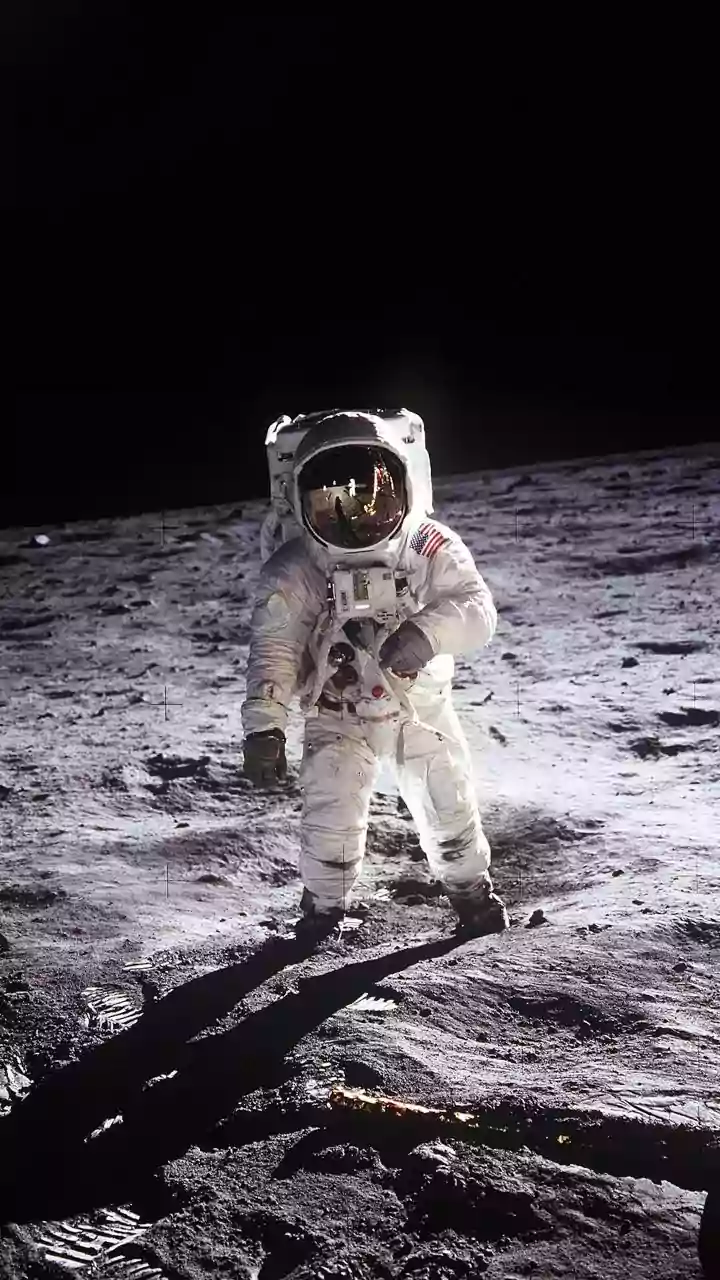
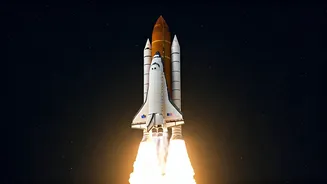
At its core, Gaganyaan is India's first human spaceflight programme, aiming to send a crew of up to three astronauts into a 400 km orbit for a three-day mission before safely returning them to Earth. [9, 20] A successful mission would make India only
the fourth country in the world—after the United States, Russia, and China—to have an independent capability for human spaceflight. [2, 17] This historic objective alone is enough to command attention. It signifies a coming-of-age for the Indian Space Research Organisation (ISRO) and the nation's scientific community, placing India at the high table of space-faring nations. The programme, which has been in development for years, involves a series of complex uncrewed test flights before the final crewed launch. [2]
A Showcase of Indigenous Technology
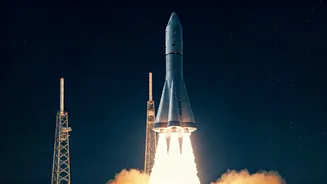
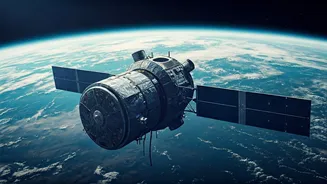
Gaganyaan is a testament to India's focus on self-reliance in critical technologies. ISRO has developed a new, human-rated version of its most powerful rocket, the LVM3, to ensure crew safety. [20] This involves a meticulously designed Crew Escape System that can whisk the astronaut capsule to safety in case of a launch emergency. [20] The crew module itself is a double-walled marvel, featuring a life support system to provide an Earth-like environment in space and a thermal protection system to withstand the fiery heat of re-entry. [20] The development of these systems, largely within India, is a significant driver of technological growth, with an estimated 60% of the mission's equipment expected to be sourced from the Indian private sector. [13] This not only boosts domestic industry but also creates a robust ecosystem for future space ventures. [13, 17]
Meet the Vyomanauts and Vyommitra
Putting a human face on the mission are the four chosen astronaut-designates, all distinguished test pilots from the Indian Air Force: Group Captains Prasanth Balakrishnan Nair, Ajit Krishnan, Angad Pratap, and Wing Commander Shubhanshu Shukla. [6, 14, 18] Their rigorous training in Russia and at ISRO's facility in Bengaluru covers everything from flight procedures to survival training. [6, 20]
But before they fly, a crucial member of the team will pave the way: Vyommitra. [3] Meaning "space friend" in Sanskrit, Vyommitra is a sophisticated, female-presenting humanoid robot developed by ISRO. [3, 7] This legless, AI-enabled robot is designed to fly on the uncrewed test missions to simulate human functions. [4] It can operate switch panels, monitor the cabin environment, communicate with ground control, and test the efficacy of the life support systems, ensuring every aspect of the capsule is safe for its future human occupants. [5, 9]
A Meticulous Timeline Focused on Safety
While the initial target for a crewed launch has been adjusted, ISRO's updated timeline underscores its paramount focus on astronaut safety. [23] The programme includes a series of precursor missions to test every component. The first uncrewed flight, G1, carrying Vyommitra, is now planned for the second half of 2026. [11] This will be followed by two more uncrewed test flights in 2026 and early 2027 to validate all systems under real-world conditions. [2, 23] The first crewed flight, H1, is now tentatively scheduled for 2027. [2, 8] This step-by-step, safety-first approach, while extending the timeline, gives space fans confidence that ISRO is leaving no stone unturned in its quest for a successful and, above all, safe mission.
Strategic and Economic Implications
Gaganyaan's significance extends far beyond orbit. The mission is a powerful driver of national pride and a source of inspiration for a new generation of scientists and engineers. [13] Economically, it is projected to create thousands of jobs and stimulate growth in India's burgeoning private space sector. [13] Furthermore, achieving human spaceflight capability has immense strategic value. It enhances India's geopolitical standing, opening doors for greater international collaboration and solidifying its role as a major player in the future of space exploration. [16, 17] The success of Gaganyaan will not just be a victory for ISRO, but a defining moment for India on the global stage.