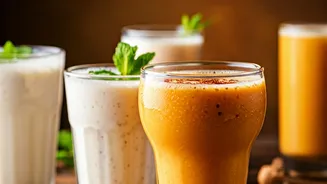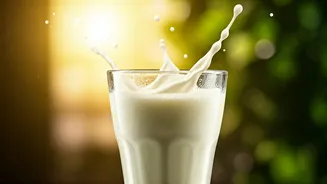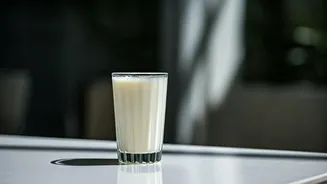





More Than a Drink: A Taste of Tradition
At its core, lassi is a deceptively simple beverage made by blending yogurt (dahi), water, and seasonings. Its history, however, is rich and deeply woven into the fabric of the Indian subcontinent, with origins tracing back thousands of years. Believed
to have originated in the Punjab region, a land renowned for its dairy culture, lassi was the perfect solution for farmers and villagers to combat the scorching heat. This humble blend was traditionally churned by hand with a wooden whisk called a 'madani,' and served in earthy clay cups known as 'kulhars,' which added a unique aroma to the drink. More than a mere thirst quencher, it became a symbol of hospitality, offered to guests as a sign of respect, and a staple at festivals and celebrations.
The Original Summer Cooler
Long before refrigerated sodas and processed juices, lassi was the original coolant. Its effectiveness lies in the wisdom of traditional Indian health practices, including Ayurveda. According to Ayurvedic principles, yogurt is considered to have cooling properties, and lassi is praised for its ability to soothe the stomach, reduce body heat, and aid digestion. The probiotics naturally present in yogurt help maintain a healthy gut, which can be especially beneficial during summer when digestion can feel sluggish. Unlike sugary drinks that provide a fleeting rush, lassi offers sustained energy and hydration, thanks to its blend of protein, calcium, and natural electrolytes that help replenish the body.
The Sweet, the Salty, and Everything In Between
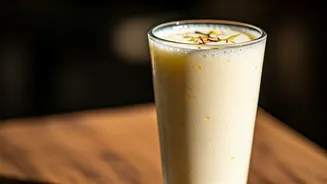
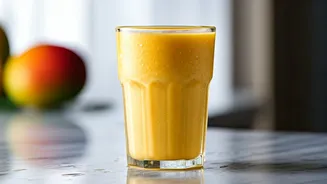
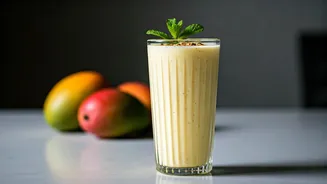
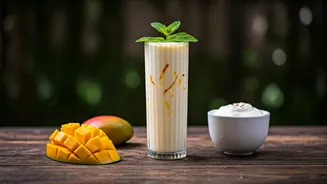
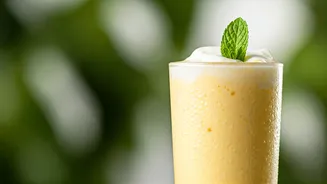
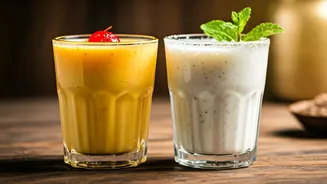
While this piece celebrates the 'meethi' (sweet) lassi—a delightful blend of yogurt, sugar, and often fragrant hints of cardamom or rosewater—it's just one star in a vast constellation of flavours. Its counterpart, the 'namkeen' (salty) lassi, is a savoury blend with salt and often roasted cumin, offering a different kind of refreshment. From these two fundamental versions, countless variations have emerged across India. The world-famous Mango Lassi is a modern favourite, but regional creativity knows no bounds, with variations including everything from strawberry and saffron to more adventurous spiced versions with mint, ginger, and even chillies. There is also the famous Bhang Lassi, a version infused with cannabis paste, traditionally consumed during certain religious festivals like Holi.
Crafting the Perfect Glass
The secret to an exceptional lassi lies in the quality of its ingredients and the technique. It starts with good, thick dahi, preferably made from whole milk, which provides the creamy texture that is lassi's signature. Traditionally made with buffalo milk yogurt for extra richness, a good quality cow's milk yogurt works beautifully as well. The key is the balance—enough sugar to sweeten without overpowering the natural tang of the yogurt, and just enough water or milk to achieve a drinkable, smoothie-like consistency without being too thin. The final flourish often comes from a topping of malai (clotted cream) or a sprinkle of chopped pistachios and saffron, turning a simple drink into a luxurious treat.