

A Quest for Authentic Flavour
For decades, the Indian condiment market was dominated by a handful of large players offering standardised tastes. Their products were consistent and widely available, but often lacked the complex, layered flavours of traditional, homemade preparations.
Today, a growing number of consumers are seeking more. They are chasing the sharp, pungent kick of mustard fermented slowly, the unique heat of regional chillies like Bhut Jolokia, and the distinct taste of family recipes. Artisanal brands are filling this gap by focusing on small-batch production, where they can toast spices fresh and use real, whole ingredients instead of relying on industrial shortcuts. This shift reflects a broader cultural reclamation of Indian food, celebrating the regional diversity that was often flattened by mass manufacturing.
The Clean Label Revolution
This movement isn't just about taste; it's also about health and transparency. Urban consumers are more ingredient-aware than ever, actively scanning labels to avoid artificial preservatives, flavour enhancers, and stabilisers. Reports show that a significant majority of Indian consumers now actively seek out clean-label foods, which focus on minimal processing and the absence of artificial additives. Mass-produced condiments often feature long lists of synthetic ingredients designed to extend shelf life and ensure uniformity. In contrast, artisanal brands are building their identity on 'clean labels', proudly advertising that their products are free from preservatives and made with natural ingredients you can actually recognise. This aligns with a major shift towards wellness, where shoppers are willing to invest more in foods they perceive as healthier and more natural.
Nostalgia in a Jar
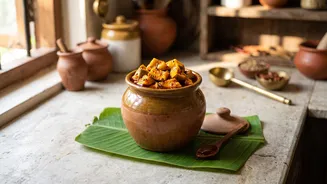
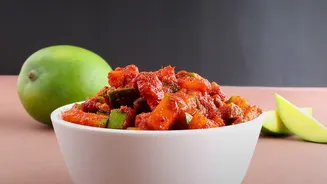
For many, these artisanal products are more than just food; they are an emotional connection to the past. Brands are reviving forgotten family recipes and traditional preparations, offering a taste of home and childhood. This taps into a powerful sense of nostalgia, reminding people of the 'nani or dadi ke haath ka achaar' (pickles made by grandma's hands) that was once a staple in every household. In a fast-paced urban life, the flavours of a sun-dried mango pickle or a stone-ground chutney can offer a comforting link to family heritage and slower, more deliberate ways of making food. This emotional resonance has become a powerful marketing tool, making consumers feel they are buying not just a product, but a piece of a story.
The Digital Pantry Shelf
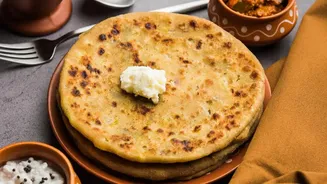
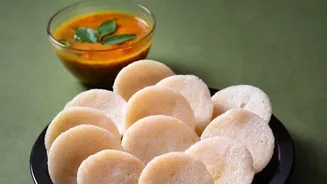
This trend wouldn't be possible without a fundamental shift in how we shop. The rise of direct-to-consumer (D2C) models and social media has empowered small-scale producers to reach customers directly, bypassing the immense challenge of securing shelf space in traditional retail stores. Platforms like Instagram have become virtual marketplaces where brands can share their stories, showcase their products in use, and build a loyal community. Food influencers and bloggers play a crucial role, introducing new brands and creative ways to use these condiments, from pairing a chilli crisp with a paratha to drizzling hot honey on an idli. This digital ecosystem allows niche brands to thrive, offering a seemingly endless variety of regional and innovative options that were previously inaccessible to the average city dweller.
More Than Just Pickles
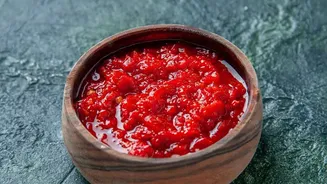
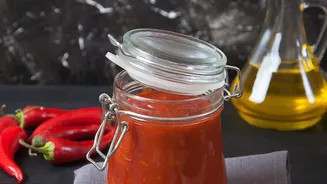
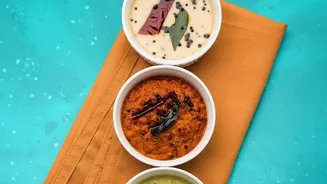
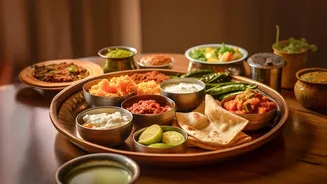
While traditional pickles are at the heart of this movement, the artisanal wave extends across the entire condiment spectrum. The market is now flooded with gourmet and artisanal spicy sauces, chutneys, dips, and spreads that reflect both tradition and modernity. You can find everything from a classic tomato ketchup made with organic ingredients to innovative fusions like a cacao nib mustard. These products are designed for the contemporary Indian kitchen, versatile enough to be used in traditional meals, on sandwiches, with pasta, or as part of a cheese board. This adaptability is key to their appeal, fitting seamlessly into experimental and globalised urban palates while retaining an authentic Indian soul.