




Understanding Smoke Point: Why It Matters
The smoke point is the temperature at which a fat or oil stops shimmering and starts to visibly smoke. This isn't just a sign of a too-hot pan; it's a chemical SOS. When an oil is heated past its smoke point, its molecular structure begins to break down.
This process not only destroys beneficial nutrients and creates a bitter, burnt taste, but it also releases potentially harmful compounds, including free radicals and acrolein. For everyday sautéing, using a fat within its heat-stable range is key to 'cleaner' cooking, which means preserving flavour and nutritional integrity while avoiding the creation of these unwanted substances.
Ghee: The High-Heat Hero
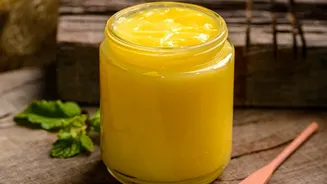
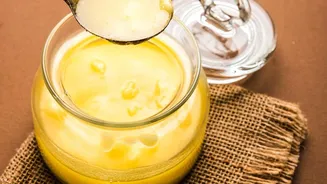
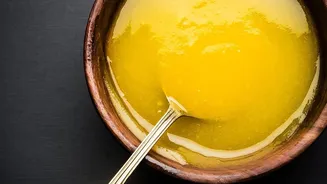
Ghee is essentially clarified butter, meaning the milk solids and water have been removed, leaving behind pure butterfat. This clarification process is precisely why ghee is a powerhouse for high-heat cooking. While butter begins to smoke and burn around 175°C (350°F), high-quality ghee boasts an impressively high smoke point, typically around 250°C (485°F). This makes it exceptionally stable and ideal for methods like searing, frying, and vigorous sautéing. Infusing ghee with aromatics like garlic or herbs doesn't significantly alter its smoke point, but it does add a layer of flavour, making it a versatile and reliable choice for your daily tadka or stir-fry.
The Cold-Pressed Oil Spectrum
Cold-pressed oils are extracted from seeds or nuts without using high heat or chemical solvents. This gentle process helps retain more of the ingredient's natural flavour, aroma, and nutritional profile, including vitamins and antioxidants. However, this purity often comes at the cost of a lower smoke point. The term 'cold-pressed' isn't a monolith; smoke points vary widely. For example, unrefined, cold-pressed coconut oil has a smoke point of about 177°C (350°F), while extra virgin olive oil's is around 190°C (375°F). Others, like unrefined flaxseed or walnut oil, have very low smoke points and are best reserved for dressings and finishing touches, not cooking.
The Sautéing Showdown: Which to Choose?
The choice between infused ghee and cold-pressed oil for sautéing depends entirely on your cooking temperature. For a quick, high-heat sauté—think searing paneer or stir-frying vegetables in a kadai—ghee is the clear winner. Its stability prevents it from breaking down and smoking, ensuring a clean flavour and cooking process. On the other hand, for gentle, low-to-medium heat sautéing, a good quality cold-pressed oil like extra virgin olive oil or coconut oil is an excellent choice. Their robust flavours can enhance the dish, and as long as the heat is managed, they will remain stable and nutritious. The key is to never let a cold-pressed oil smoke.
Beyond the Pan: Flavour and Nutrition
While smoke point is critical for the cooking process, flavour and nutrition are just as important for the final dish. Ghee offers a rich, nutty, and slightly caramelized flavour that is central to many Indian cuisines. It's a source of fat-soluble vitamins like A, E, and D. Cold-pressed oils, meanwhile, bring the distinct taste of their source—the peppery notes of olive oil, the nuttiness of groundnut oil, or the earthiness of sesame oil. They are celebrated for retaining antioxidants and beneficial fatty acids that are often lost in the refining process. For a well-rounded and healthy kitchen, the goal shouldn't be to choose one over the other, but to understand the strengths of both.