





The Enduring Appeal of the Chignon
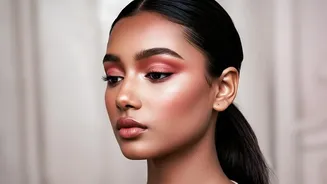
Derived from the French phrase 'chignon du cou', meaning 'nape of the neck', this classic style is fundamentally a low bun or knot. Its enduring popularity comes from its polished finish and ability to suit any occasion, from a casual day out to a formal
wedding. Unlike a simple bun, which can be placed anywhere on the head, the chignon's low placement at the nape gives it a signature refined look. It’s a style that enhances your look without competing with it, making it a reliable choice for feeling put-together.
The Challenge for Medium-Length Hair
For those with shoulder-length hair, the main challenge is having enough length to create a full-looking bun while also managing shorter layers that tend to escape. The secret is to create the illusion of volume and ensure every strand is secured. A 'faux chignon' is an excellent technique where the hair is split into a few smaller sections, which are then rolled and pinned to overlap, mimicking the look of a single, larger bun. Using texturizing spray before you begin can provide much-needed grip, making the hair easier to manipulate and pin.
A Simple Chignon for Medium Hair
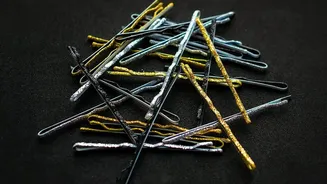
Start by gathering your hair into a low ponytail at the nape of your neck. Create a small loop by not pulling the ponytail all the way through the elastic on the last wrap. This leaves the ends free. Then, take the remaining ends of the hair and wrap them around the base of the loop to conceal the elastic. Tuck the ends underneath and secure everything firmly with bobby pins. For a softer look, you can gently pull a few face-framing pieces loose. Don't worry if a few short pieces escape at the neck; it’s often considered part of the style's charm.
Managing Long, Thick Hair
With long hair, the challenge is opposite but just as real: managing the weight and bulk to create a chignon that is elegant and balanced, not heavy or unruly. The key is to create a secure anchor and distribute the hair's weight. One effective method is to start with a low ponytail and then braid it before coiling it into a bun. This contains the hair, making it much easier to shape and pin securely. For very thick hair, you can even split the ponytail into two separate braids and coil them side-by-side.
Creating a Secure Chignon for Long Hair
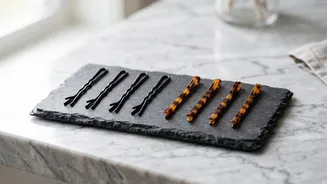
Begin by brushing your hair into a low ponytail. To manage volume, you can create a simple three-strand braid or a fishtail braid with the ponytail and secure the end. Then, coil the braid around its base, forming a bun. Tuck the end of the braid under the bun and pin it securely. Using U-shaped hair pins in addition to bobby pins can help anchor the weight of the bun to your head more comfortably. A final mist of a flexible-hold hairspray will keep flyaways at bay without making the style feel stiff.
Variations to Try Next
Once you've mastered the basic technique for your hair length, you can explore countless variations. Try a side chignon by creating your bun just behind one ear for an asymmetrical look. Incorporate a Dutch or French braid starting from your crown or along the side and feeding it into the chignon for added texture and detail. For a more relaxed, romantic vibe, simply loosen the bun by gently pulling at the sides and allow more tendrils to frame your face. Adding accessories like pearl pins or floral clips can also elevate the style for special events.