




The Art of the Zest
Before you start baking, it’s important to master the technique of zesting. The goal is to remove only the colourful outer peel, known as the flavedo, which is rich in aromatic oils. The white layer beneath, called the pith, is bitter and should be avoided.
The most effective tool for this is a microplane, which creates fine, fluffy zest that blends beautifully into batters and doughs. However, the small holes on a box grater also work well. For larger strips perfect for garnishes, a vegetable peeler or a special zesting tool can be used. Always wash and dry your orange thoroughly before you begin. A pro tip for maximum flavour is to rub the fresh zest directly into the sugar your recipe calls for. This technique helps release the citrus oils, infusing the sugar with an intense orange fragrance before it's even mixed in.
Simple Bakes and Breads
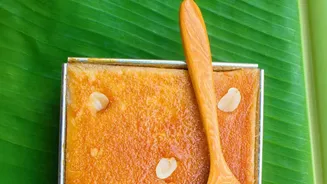
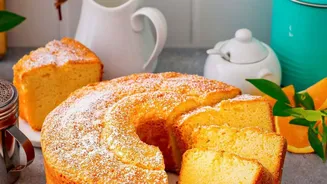
One of the easiest ways to use orange zest is in simple baked goods. Adding a tablespoon or two of zest to the batter for muffins, scones, or loaf cakes can completely transform them. Consider an Orange Tea Bread, where the zest is whisked into the wet ingredients before being combined with the flour. A simple orange loaf cake can be made with pantry staples like flour, eggs, sugar, oil, and of course, plenty of fresh orange juice and zest from three to four oranges for a powerful citrus kick. For a classic pairing, chocolate and orange are a perfect match. Adding orange zest to a dark chocolate cake batter creates a moist, rich dessert with a balanced, sophisticated flavour.
Creamy No-Bake Creations
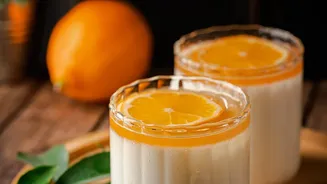
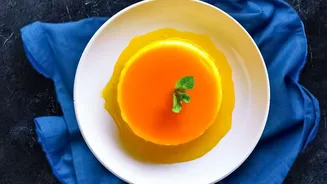
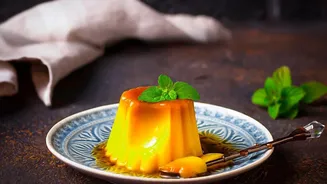
When you don't want to turn on the oven, orange zest shines in creamy, chilled desserts. A no-bake orange cheesecake is a fantastic option. The zest is typically whipped into the cream cheese and sour cream filling, providing a bright counterpoint to the richness of the dairy. You can make a simple crust from graham crackers or vanilla wafers, which also benefits from a bit of zest mixed in. Another incredibly simple yet elegant dessert is an Orange Posset. This classic British treat requires only three ingredients: heavy cream, sugar, and oranges for both juice and zest. The citrus juice reacts with the heated cream, causing it to set into a silky, custard-like texture without any eggs or gelatin. It’s a stunning dessert that sets in the fridge in just a few hours.
Versatile Glazes and Toppings
A quick orange glaze can add a professional and flavourful finish to almost any dessert. The simplest version requires just powdered sugar, fresh orange juice, and a generous teaspoon of orange zest. Whisk these ingredients together until smooth, and you have a perfect drizzle for pound cakes, cookies, scones, or cinnamon rolls. You can adjust the consistency by adding more powdered sugar to thicken it or more juice to thin it out. For a slightly richer version, a touch of honey can be added to the glaze. Beyond glazes, orange zest can be used as a simple, fragrant garnish, sprinkled over whipped cream or a finished dessert just before serving for a final burst of aroma.