


Become a Sunlight Detective
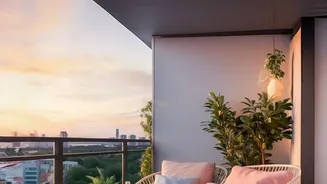
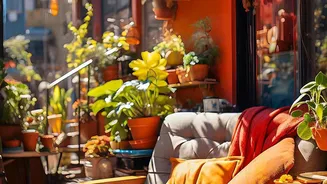
Before buying a single plant, the first step is to observe your balcony. Like any good detective, you need to gather clues about your specific environment. Notice how the light changes throughout the day. An east-facing balcony will be bathed in gentle
morning sun, which is ideal for many herbs and flowering plants. A west-facing one gets the intense, often harsh, afternoon heat, which requires tougher, sun-loving plants. South-facing balconies get the most direct sun for the longest period, while north-facing ones are the shadiest, perfect for foliage plants that don't need direct rays. This simple act of observation is the foundation of a successful garden, as high-rise buildings can create unique microclimates with reflected heat and unexpected shadows.
Match the Right Plant to the Right Light
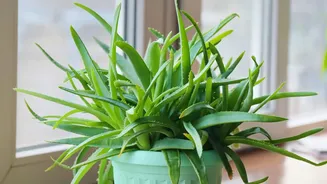
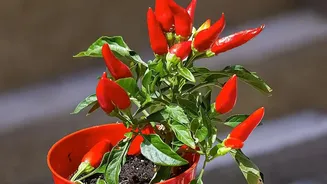
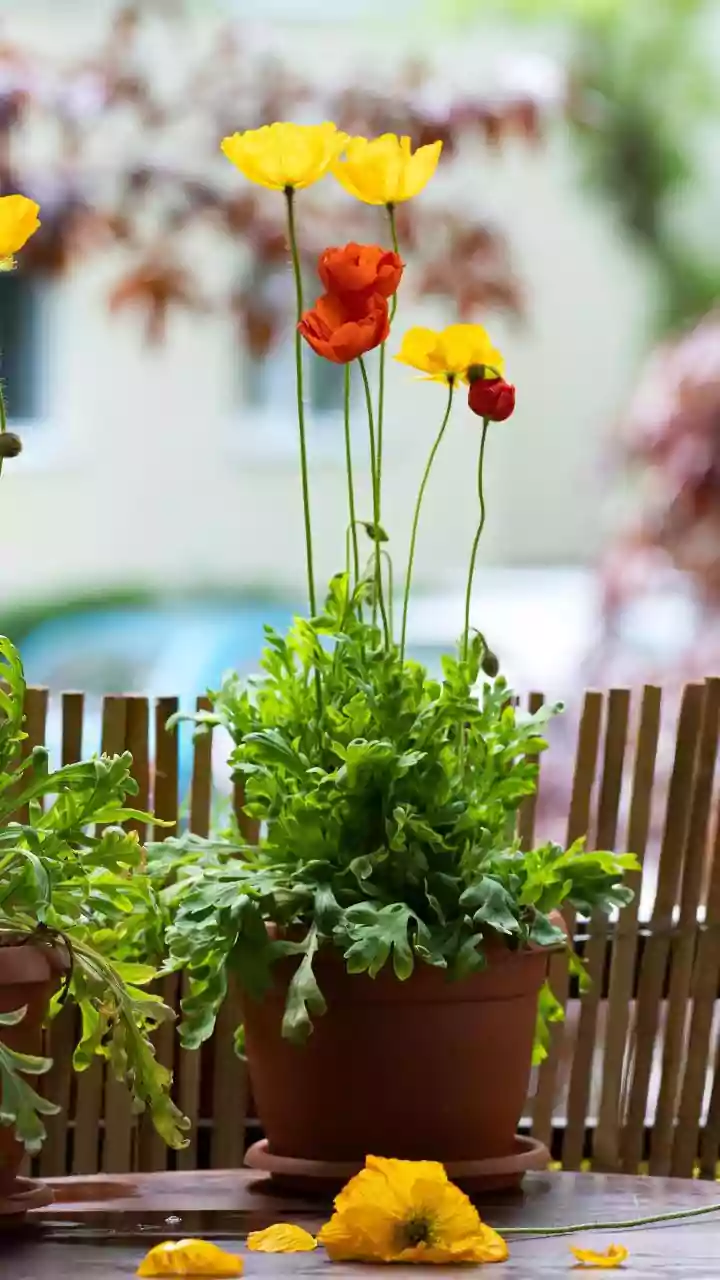
Once you know your balcony's 'sun personality', you can choose plants that will thrive, not just survive. For those sun-drenched, south or west-facing spots, embrace the light with vibrant, heat-loving options. Bougainvillea, hibiscus, marigolds, and petunias are excellent choices that reward abundant sun with brilliant colours. For balconies that are partially or fully shaded, focus on the beauty of foliage. Plants like the snake plant, money plant (pothos), ZZ plant, and various ferns will flourish with indirect light, creating a lush, cool-toned oasis. Areca palms can also add a tropical feel to semi-shaded corners. Matching the plant to its preferred light condition is the most critical decision you'll make.
Create Strategic Shade
Even sun-loving plants can get scorched during the peak of an Indian summer. The concrete and glass of high-rise buildings radiate and reflect heat, making your balcony significantly warmer than ground level. Providing some form of shade is a simple but highly effective management technique. The most common solution is a green shade net or 'agro net', which can diffuse the harshest midday sun while still allowing light to filter through. You don't necessarily need a permanent fixture; even a strategically placed bamboo blind or a sheer curtain can offer relief during the hottest hours from 12 PM to 4 PM. Another trick is to group plants together. Taller, hardier plants can act as a natural shield for smaller, more delicate ones.
The Simple Power of Rotation
One of the easiest yet most overlooked aspects of sunlight management is rotation. Plants naturally grow towards their light source, which on a balcony is almost always one-sided. This can lead to lopsided, leggy growth. To encourage even, bushy development, make it a habit to give your pots a quarter turn every few days. This ensures that all sides of the plant get their share of sunlight, promoting stronger stems and a fuller appearance. It's a two-second task that makes a massive difference in the long-term health and aesthetics of your potted greenery. This is especially important for plants that are placed in corners or against a wall.
Connect Sunlight to Smart Watering
Sunlight and watering are deeply connected. The more sun a pot receives, the faster its soil will dry out. Pots on a hot, sunny balcony may need daily watering, especially in terracotta pots, which are porous and breathe well but also lose moisture quickly. The best time to water is early in the morning or late in the evening. Watering in the intense afternoon sun can lead to rapid evaporation, meaning less water reaches the roots where it's needed. Before watering, always check the soil; stick your finger in an inch or two to feel if it's truly dry. Finally, consider adding a layer of mulch—like coco chips or dry leaves—on top of the soil. This acts as a protective blanket, keeping the roots cool and significantly reducing moisture evaporation.