



What to See: The Late August Sky
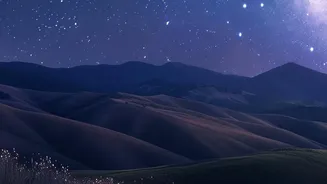
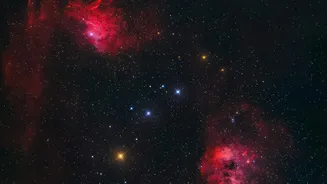
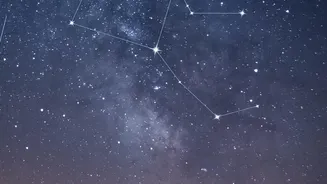
Late August is a prime time for viewing the heart of our own galaxy. Look towards the southern horizon to find the constellations Sagittarius and Scorpius. The dense star clouds of Sagittarius mark the brightest part of the Milky Way visible from India.
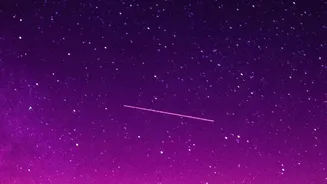
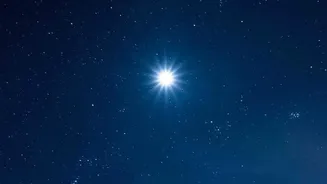
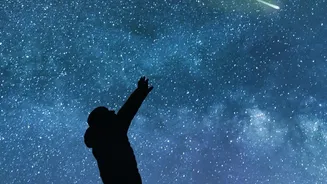
To the naked eye in a dark location, this will appear as a luminous, milky band stretching across the sky. High overhead, the Summer Triangle, an prominent asterism formed by three bright stars—Vega, Deneb, and Altair—dominates the view. Saturn will also be a brilliant, steady golden light in the sky, making it an easy target for beginners. While the famous Perseid meteor shower peaks in mid-August, its activity continues into the later part of the month, so you may still catch some shooting stars. These meteors are debris from Comet Swift-Tuttle burning up in our atmosphere.
Where to Go: India's Dark Sky Havens
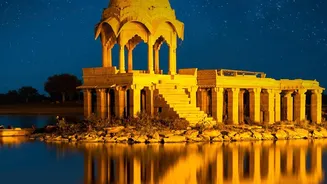
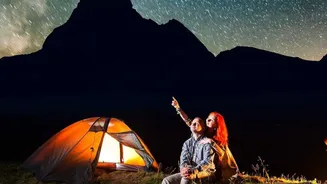
The key to great stargazing is escaping city lights. For those in North India, the rain-shadow regions of the Himalayas are unparalleled. Hanle in Ladakh, home to India's first designated Dark Sky Reserve, offers some of the best conditions in Asia due to its high altitude and dry, clear air. Spiti Valley in Himachal Pradesh is another excellent, high-altitude desert destination. If heading to the mountains isn't feasible, the Thar Desert in Rajasthan provides wonderfully dark and accessible skies; areas around Jaisalmer are prime spots. In the west, the expansive salt flats of the Rann of Kutch in Gujarat provide a unique 360-degree, unobstructed horizon. For observers in South India, the coffee plantations of Coorg in Karnataka and high-altitude areas in the Nilgiris offer dark skies away from urban glow.
Essential Gear for the Beginner
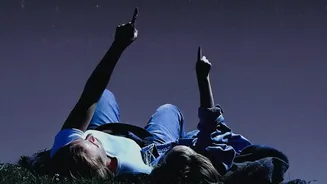
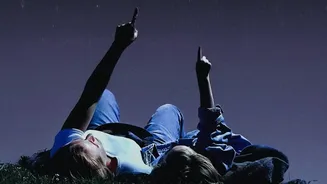
You don't need expensive equipment to start your stargazing journey. The most important tool is your own eyes. Give them at least 20-30 minutes to fully adapt to the darkness, avoiding your phone screen during this time. A pair of basic binoculars can dramatically enhance your view, revealing details in the Moon's craters, the moons of Jupiter, and the fuzzy glow of distant star clusters like the Pleiades. Instead of a bright white torch, use a red-light torch; red light is less disruptive to your night vision. Many smartphone apps can act as a real-time star chart, helping you identify constellations and planets simply by pointing your phone at the sky. Finally, pack for comfort: a reclining chair or a blanket to lie on, and warm clothing, as even summer nights can get chilly, especially at higher altitudes.
Tips for a Successful Night Out
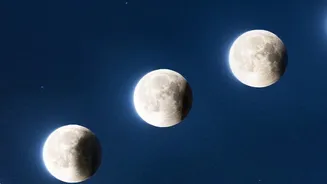
Planning is just as important as the equipment you bring. Always check the weather forecast before you go; a clear, cloudless night is essential. Pay attention to the moon phase. The best stargazing happens during or around the new moon, as moonlight can wash out fainter stars and the Milky Way. Late August 2026 benefits from favourable moon conditions. Let someone know where you are going, especially if you're heading to a remote location. Patience is crucial. Settle in, get comfortable, and allow the vastness of the cosmos to reveal itself. The longer you look, the more you will see as your eyes adjust and you become familiar with the star patterns above.