








The Annual Ordeal Begins
As the southwest monsoon finally makes its way to the capital, bringing much-needed respite from the scorching heat, it also heralds the beginning of an annual urban nightmare. The daily journey to and from the office transforms from a routine task into
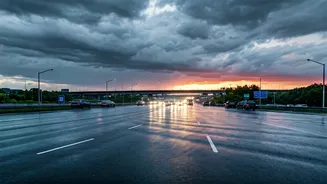
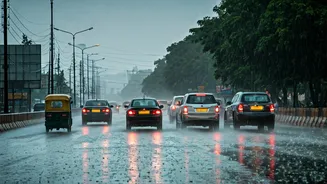
a test of endurance. Waterlogged roads, snarled traffic that stretches for kilometres, and overcrowded public transport become the norm. Every year, we see the same images: vehicles submerged in underpasses, commuters wading through knee-deep water, and hours lost just trying to cover a few kilometres. It’s a predictable cycle of chaos that paralyses the city, yet the expectation to show up at the office, bright and early, remains stubbornly in place.
Our Infrastructure's Yearly Exam Failure
Year after year, civic bodies hold meetings and promise that things will be different. This year has been no exception, with authorities claiming extensive desilting of drains and identifying chronic waterlogging hotspots in Delhi and Gurgaon. The Municipal Corporation of Delhi (MCD) and Gurugram Metropolitan Development Authority (GMDA) have both reviewed monsoon preparedness, focusing on vulnerable locations and deploying pumps. However, these promises are tested with the first heavy downpour, and often, they fail. Key arterial roads and corporate hubs like Gurgaon's Cyber City frequently become impassable. The problem isn't just a lack of effort; it's a systemic issue of urban planning that has not kept pace with the city's explosive growth. Drainage systems, even after being cleaned, are often inadequate to handle the sheer volume of water from intense, short bursts of rain.
The Unspoken Cost of 'Business as Usual'
While failing infrastructure is a major part of the problem, the other is a rigid corporate culture that refuses to adapt. The insistence on physical attendance during severe weather warnings is not just inefficient; it's a risk to employee safety and well-being. The pandemic proved that for many roles, remote work is a viable and productive alternative. The Delhi government has even mandated a 50% work-from-home policy for the winter months to combat pollution, setting a precedent for flexible work arrangements. Why, then, is the same logic not applied during the monsoon, a period of predictable and severe disruption? Forcing employees to undertake treacherous journeys for the sake of 'business as usual' leads to lost productivity, immense stress, and a tangible sense of being undervalued.
A Call for a Flexible Monsoon Policy
The solution is not to shut the city down but to embrace flexibility. Companies in Delhi-NCR need to adopt a dynamic monsoon policy. When the India Meteorological Department (IMD) issues a yellow, orange, or red alert for heavy rainfall, employers should have a clear protocol to allow, or even encourage, employees to work from home. This isn't about giving extra holidays; it's about smart management. It reduces the number of people on the roads, easing pressure on a strained transport network and allowing emergency services to operate more effectively. For employees, it removes the anxiety and physical risk of a dangerous commute. For employers, it ensures that work continues without the disruption of a workforce that is either stuck in traffic for hours or arrives at the office exhausted and drenched.