



Why October Skies Are Special
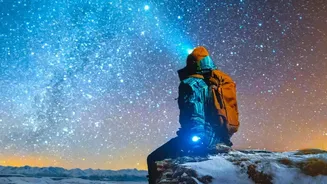
October marks a sweet spot for sky-watchers in India. The post-monsoon atmosphere is scrubbed clean of dust and haze, offering exceptional transparency. The weather across most of the country is pleasant, with comfortable night temperatures ideal for spending
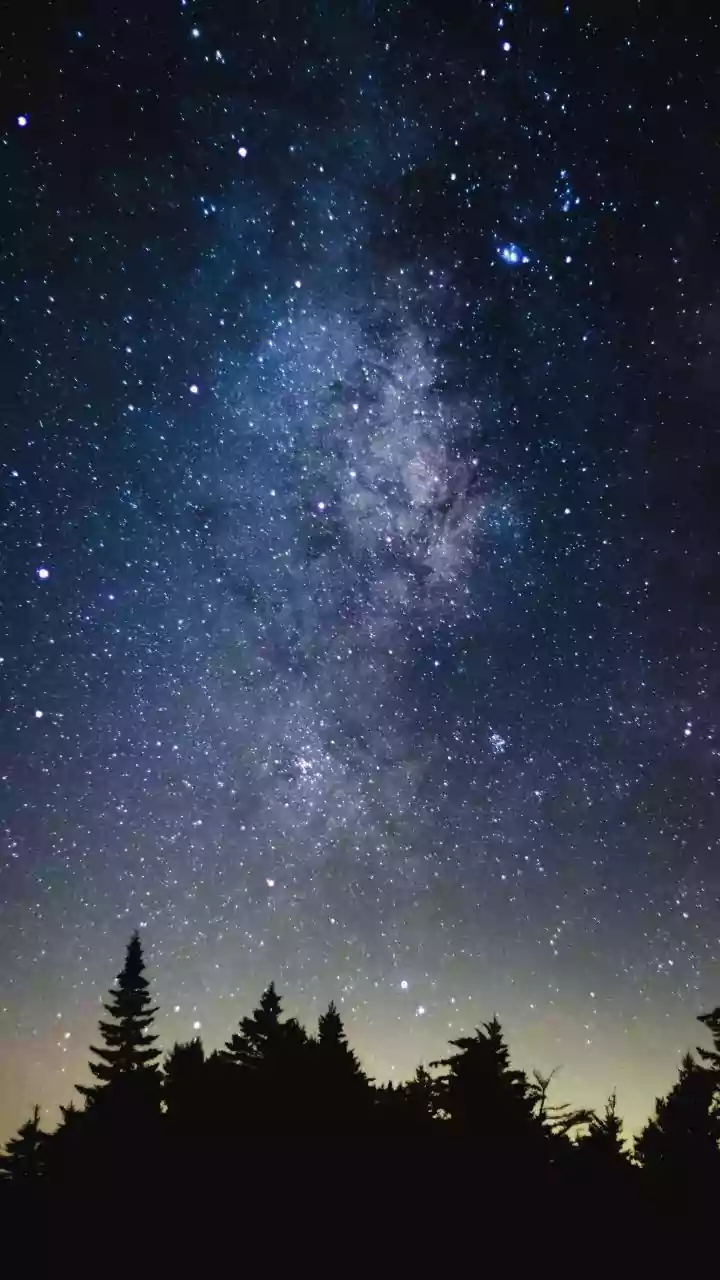
hours under the open sky. This combination of clear air and agreeable weather means stars appear sharper and brighter, and faint objects like the Milky Way become more visible, even to the naked eye from a dark location. It's a prime window before the winter haze sets in across parts of North India.
What to Look For: Celestial Events in October 2026
This October is packed with celestial events. On October 4th, Saturn reaches opposition, making it appear at its biggest and brightest for the year, visible all night long. A medium-sized telescope will reveal its glorious rings. A few days later, on the night of October 8-9, look for the Draconid meteor shower. While a minor shower with only about 5-10 meteors per hour, the viewing conditions are perfect as the peak coincides with a nearly new moon, ensuring dark skies. The Orionid meteor shower, debris from the famous Halley's Comet, peaks on the nights of October 21-22. Known for bright and fast meteors, you might see up to 20 per hour. However, a bright waxing gibbous moon will be present, so the best time to watch will be in the pre-dawn hours after the moon sets.
Constellations to Spot
October’s night sky is a showcase of prominent constellations. Look for the Great Square of Pegasus, an easily recognizable asterism that dominates the autumn sky. It serves as a great starting point to navigate the celestial sphere. From there, you can find the W-shaped Cassiopeia and the fainter, zigzag pattern of Lacerta, the Lizard. The Andromeda Galaxy, the most distant object visible to the naked eye, is also well-placed for viewing this month, appearing as a faint, fuzzy smudge under dark skies. Using stargazing apps can greatly help in identifying these stellar patterns.
India's Premier Stargazing Destinations
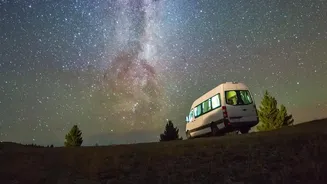
To truly appreciate the night sky, you need to escape the light pollution of cities. India has several world-class locations. Hanle in Ladakh is home to India's first designated Dark Sky Reserve and offers some of the clearest skies on the planet. Spiti Valley in Himachal Pradesh is another high-altitude haven for astronomers, with villages like Komic and Langza providing spectacular views. For those in other parts of the country, the Rann of Kutch in Gujarat offers a surreal experience, where the white salt desert reflects the starlight. Other excellent spots include Coorg in Karnataka, Jaisalmer in Rajasthan, and Neil Island in the Andamans.
Your Stargazing Starter Kit
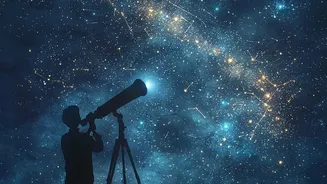
You don't need expensive equipment to start. The most important thing is to get to a dark location. A pair of binoculars is a great first instrument, capable of revealing craters on the moon, the moons of Jupiter, and brighter star clusters. Download a stargazing app like Stellarium or SkyView on your phone to help identify what you're looking at. Remember to use a red filter or the app's red light mode to preserve your night vision. Dress in layers, as even warm regions can get chilly during long nights outdoors. Finally, bring a comfortable blanket or a reclining chair, some snacks, and a flask of a warm drink to make your viewing session enjoyable.