





Beyond the Summit Selfie
For years, trekking in India was often a goal-oriented sport: conquer the peak, capture the photo, and descend. But a new philosophy is taking root, known as experiential trekking. This approach isn't about speed or altitude; it's about immersion. Experiential
trekking prioritises a deeper connection with the environment, local culture, and oneself. Instead of simply walking through a landscape, the goal is to engage with it—to understand the local way of life, taste the regional cuisine, and appreciate the journey as much as the destination.. It swaps the adrenaline rush of a difficult climb for the soul-soothing reward of a quiet, meaningful adventure.
A Search for Quiet Authenticity
The shift towards experiential trekking is fuelled by a collective desire for authenticity and mental wellness.. Many of India's most famous trekking routes have become victims of their own success, leading to overcrowding and commercialisation that detract from the feeling of being in nature. In response, trekkers are actively seeking out lesser-known trails and offbeat destinations where they can genuinely disconnect.. This isn't just about avoiding crowds; it's about finding spaces that allow for quiet reflection, digital detox, and a chance to engage with local communities on a more personal level.. The modern backpacker wants a story to tell, not just a photo to post.
Maharashtra's Lakeside Sanctuaries
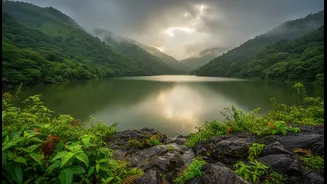
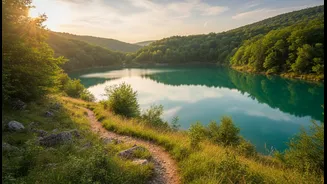
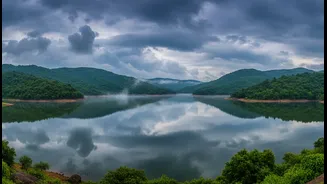
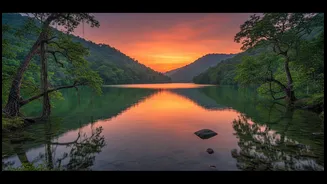
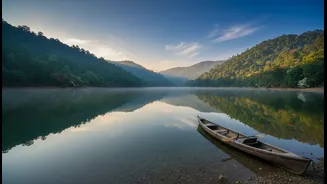
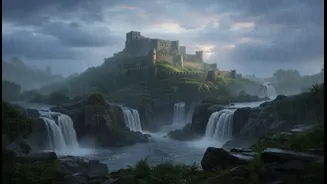
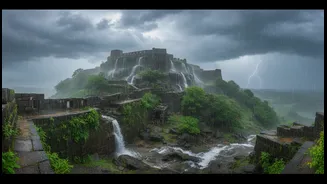
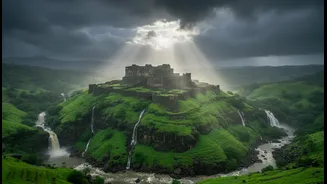
While Maharashtra's coastline is a popular getaway, the real magic for experiential trekkers is happening inland. The state's Sahyadri mountain range is dotted with serene, man-made lakes that have become epicentres for this new travel trend. Destinations like Pawna Lake near Lonavala and Bhandardara's Arthur Lake offer the perfect backdrop.. These vast, tranquil water bodies, surrounded by rolling green hills and historic forts, provide a peaceful alternative to the busy beaches.. Treks around these lakes often lead to ancient forts like Tikona, Lohagad, or Ratangad, from which the views of the placid waters below are breathtaking.. This unique combination of history, nature, and tranquility makes the region a magnet for those seeking a restorative escape.
What the Experience Feels Like
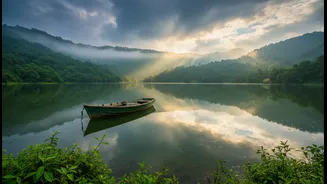
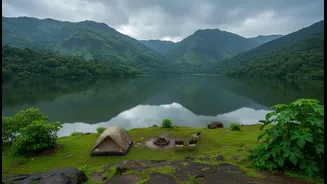
An experiential trek here is multi-sensory. It might begin with a night of lakeside camping, with tents pitched just metres from the water's edge under a canopy of stars.. The evening could be spent around a bonfire, listening to music and sharing stories, a far cry from a rushed hotel stay. The following day's trek is often punctuated by interactions with the local culture. Many tour operators now partner with villagers to provide authentic meals, serving regional specialities like pithla and bhakri cooked in a traditional style.. Some itineraries even include stays in village homes, offering a genuine glimpse into rural Maharashtrian life.. The experience becomes less about physical endurance and more about absorbing the peaceful atmosphere—the mist over the lake at dawn, the sound of the wind through the valleys, and the taste of home-cooked food.