





Ventilate, But Strategically
It might seem odd to open windows during the monsoon, but stagnant air traps moisture. The trick is to do it strategically. Open your windows and doors for about 30 minutes during the driest part of the day, which is often in the afternoon when the sun
might be out. This creates cross-ventilation, pushing the moist, stale air out and pulling fresher, drier air in. Avoid opening them during heavy rain or early in the morning when humidity is at its peak.
Use Your Exhaust Fans
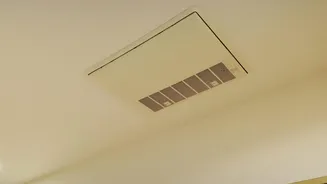
Your kitchen and bathroom are major humidity hotspots. The steam from hot showers and cooking adds a surprising amount of moisture to your home's air. Make it a rule to run the exhaust fan every time you cook or bathe. These fans are designed to pull moisture-laden air directly outside, preventing it from spreading throughout your house. Keeping them clean and in good working order ensures they do their job effectively.
Invest in a Dehumidifier
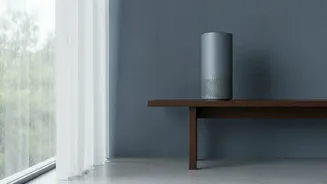
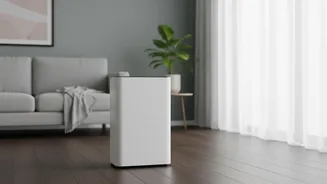
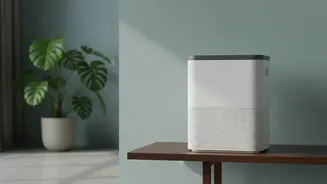
For a direct and powerful solution, nothing beats an electric dehumidifier. These appliances are designed specifically to pull excess moisture from the air, collecting it as water in a tank. They are especially effective in enclosed spaces, damp basements, or rooms that don't get much airflow. While it's an investment, a good dehumidifier can make a significant difference in your home's comfort level and help protect furniture, electronics, and clothing from moisture damage.
Try Natural Moisture Absorbers
For a more budget-friendly and chemical-free approach, look to natural materials that absorb moisture. Placing bowls of rock salt, uncooked rice, or activated charcoal in cupboards, closets, and damp corners can work wonders in small, enclosed spaces. These materials naturally draw moisture from their immediate surroundings. They are a great, low-maintenance way to keep mould and musty smells out of your wardrobes and cabinets. Just remember to replace them every few weeks as they become saturated.
Rethink Your Indoor Laundry
Drying wet clothes indoors is one of the biggest contributors to household humidity. Each load of laundry can release a significant amount of water into the air as it dries. If you absolutely must dry clothes inside, try to contain the impact. Place the drying rack in a single room and improve air circulation by opening a window slightly or running a fan. If you have one, using a dehumidifier in the same room will dramatically speed up drying time and capture the excess moisture.
Mind Your Indoor Plants
While indoor plants are beautiful and can purify the air, they also release moisture through a process called transpiration. If your home feels particularly humid, your green friends could be part of the cause. You don't have to get rid of them, but consider grouping them in one well-ventilated area or temporarily moving some to a covered balcony. This small adjustment can help reduce the overall moisture load in your main living spaces without sacrificing your indoor garden.
Inspect for and Seal Leaks
Sometimes, the problem isn't just the humid air but also moisture getting in from outside. Persistent dampness, water stains on walls or ceilings, and peeling paint are all signs of a potential leak. Take time to inspect your roof, plumbing, and the seals around your windows and doors. Fixing a leaky pipe or sealing a crack in a wall is a crucial long-term solution that stops moisture at its source, preventing not only humidity but also potential structural damage.