




Seeing Through the Spray: Mastering Fog Lights
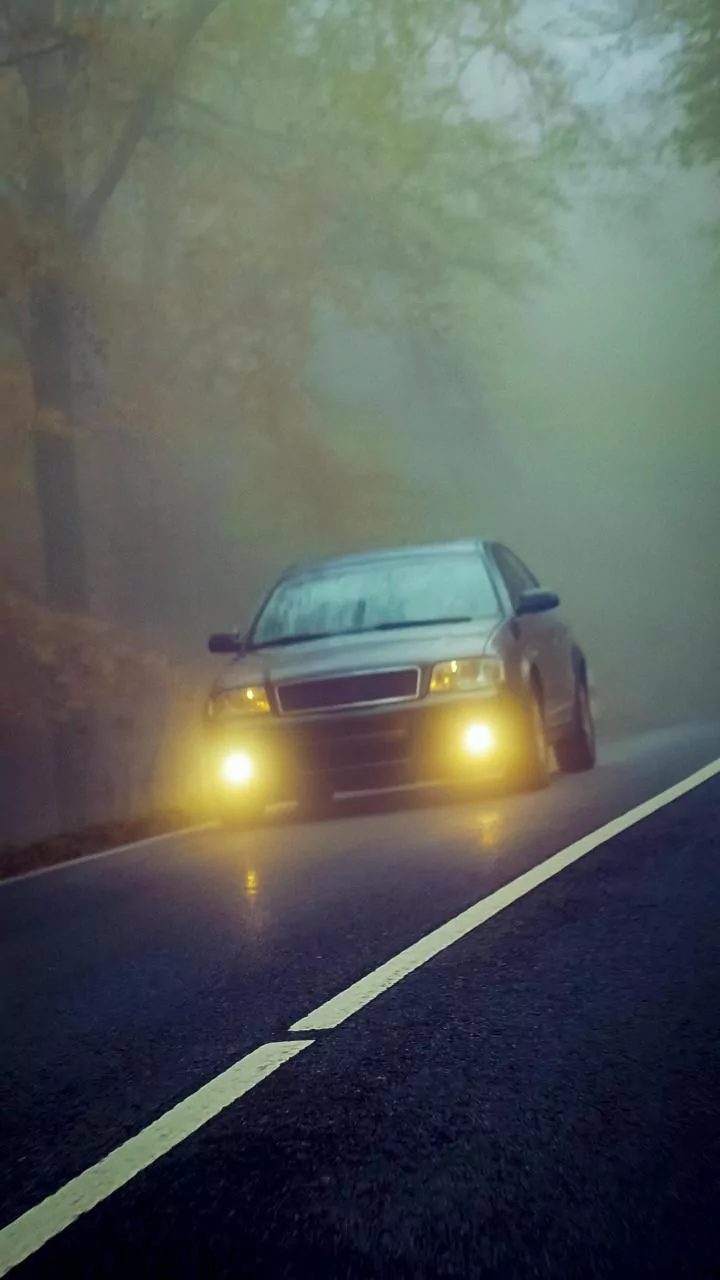
Fog lights are one of the most misunderstood safety features on a car. They are not simply extra headlights. Positioned low on the bumper, they are engineered to cut through the dense water particles found in fog or heavy rain spray without causing glare.
Unlike standard headlights, which can reflect off the water vapour and create a blinding white wall, fog lights cast a wide, flat beam low to the ground. This illuminates the road surface directly in front of your vehicle, helping you see lane markings and potential hazards. The rule of thumb for their use is simple: if your visibility is reduced to less than 100 metres, it's time to turn them on. This applies not just to fog, but also to the heavy downpours and road spray common in monsoons. Many vehicles are also equipped with a rear fog light, which is an intensely bright red light designed to make your vehicle visible to drivers behind you. Use it in the same low-visibility conditions, but remember to turn both front and rear fog lights off as soon as visibility improves to avoid dazzling other drivers.
The Peril of Hydroplaning
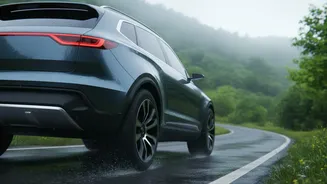
Your tires are your car's only connection to the road, and in the monsoon, that connection is constantly under threat. The most significant danger on wet roads is hydroplaning, also known as aquaplaning. This occurs when a layer of water builds up between your tires and the road surface, causing the tire to lose all traction. The result is a complete loss of steering, braking, and power control, essentially turning your car into an uncontrolled sled. It can happen at surprisingly low speeds, sometimes as low as 55 km/h, especially within the first ten minutes of a downpour when oil and grime on the road mix with water to create a slicker surface. Worn tires are a major contributor to hydroplaning. The grooves in your tires are designed to channel water away, but if the tread is too shallow, they can't clear the water fast enough.
Your Monsoon Tire Health Checklist
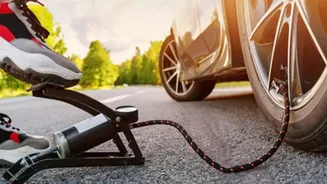
Preventing hydroplaning and ensuring grip starts with proactive tire maintenance. First, check your tread depth. While the legal minimum in India is 1.6mm, for monsoon safety, a depth of 3mm or more is highly recommended to effectively disperse water. You can check this using a tread depth gauge or by looking for the Tread Wear Indicators (TWIs)—small raised bars inside the grooves. If the tread is level with the TWI, it's time for new tires. Second, maintain correct tire pressure. Both underinflated and overinflated tires can reduce your contact patch with the road and compromise grip. Overinflation is particularly dangerous in the wet, as it can reduce the tire's ability to channel water. Check your pressure monthly against the manufacturer's recommendation, usually found on a sticker inside the driver's door jamb. Finally, ensure regular wheel alignment and tire rotation every 8,000-10,000 kilometres. This promotes even wear, extending the life of your tires and ensuring stable, predictable handling on slippery roads.
Beyond Lights and Tires: Complete Night Safety
While fog lights and tires are critical, they are part of a larger safety system. Before the monsoon sets in, ensure your windshield wipers are in perfect condition, replacing them if they leave streaks. Use your defogger to keep the windshield and windows clear of condensation, a common issue when it's cool and rainy outside but warm inside the car. At night, the glare from oncoming headlights reflected on a wet road can be intense. Dim your dashboard lights and avoid looking directly into the beams of approaching traffic to protect your night vision. Most importantly, adjust your driving style. Slow down, double the following distance between you and the car ahead to at least three seconds, and avoid sudden braking or sharp turns. Gentle, smooth inputs are the key to maintaining control on a wet surface.