





September's Critical Role for Kharif Crops
The southwest monsoon is the lifeblood of India's agriculture, delivering about 70% of the country's annual rainfall. The Kharif (summer) crop season, which includes staples like rice, pulses, and oilseeds, is heavily dependent on these rains. By September,
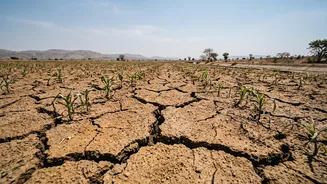
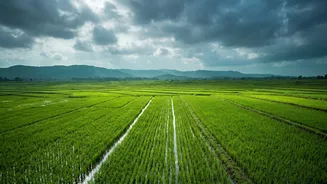
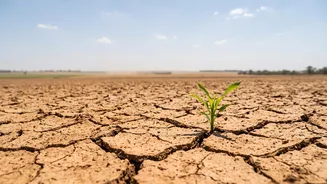
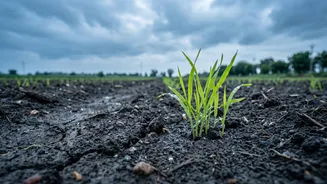
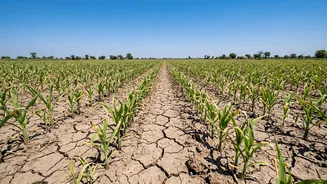
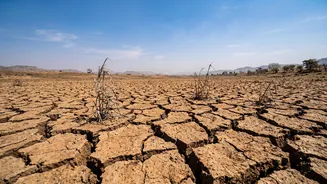
the season is at a critical juncture. Crops are in their final growth stages, and the nature of rainfall becomes a double-edged sword. A well-distributed, moderate rainfall helps crops mature and boosts yields. However, a sudden, intense downpour can be destructive, damaging standing crops like paddy and soybeans that are close to harvest. Conversely, a premature withdrawal of the monsoon or a significant deficit in September can wither crops, leading to lower production. For 2026, forecasters have pointed to the risk of a below-normal monsoon, making the performance in September exceptionally critical.
The View From the Paddy and Pulse Fields
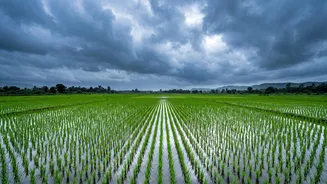
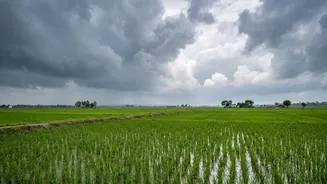
Rice is one of the most vital Kharif crops, and its fate is closely tied to September rains. While sowing may have been completed earlier, the final yield and grain quality depend on adequate soil moisture during this period. States like Punjab, Andhra Pradesh, and Bihar are particularly sensitive to rainfall patterns now. A deficit can hurt yields, but excessive rain can cause waterlogging and damage the maturing paddy. Similarly, pulses like tur (arhar) and moong, and oilseeds like soybean, are also vulnerable. Heavy late-season rains can damage these crops, as was seen with soybean crops in Madhya Pradesh in previous years. With Kharif sowing for 2026 already seeing a shift away from rice and towards pulses and oilseeds, the September weather will significantly influence the supply of these essential kitchen items.
From Deficit Rains to Deficit Budgets
The link between rainfall and your wallet is direct and impactful. A weak September monsoon almost inevitably leads to food inflation. The monsoon for 2026 has been patchy, with the country-wide deficit at around 13% by late August. When crop yields fall due to poor rains, supply tightens. This shortfall ripples from the rural mandis to urban wholesale markets and, finally, to your local grocery store shelves. Economists note that the price impact of a rainfall deficit isn't always immediate; it often becomes more apparent after the harvest, as lower-than-expected quantities reach the market. Reports from financial institutions suggest that a weak performance in September could push consumer price inflation to 5.5% or higher, putting pressure on household budgets across the country.
The Journey From Farm to Fork
Understanding the supply chain reveals how weather shocks translate into price hikes. When a farmer's crop is damaged or yields are low, they have less to sell at the local APMC (Agricultural Produce Market Committee) mandi. Traders and wholesalers who buy from these mandis face higher procurement costs, which they pass on to retailers. The entire chain, from transport to storage, adds to the final cost. Recent reforms aim to create a more open market, allowing farmers to sell directly to private players, which could create more efficient supply chains. However, the fundamental principle remains: if the initial production at the farm is low due to poor weather, the price for everyone down the line will be higher.
What to Watch For in the Coming Weeks
As we move through September, all eyes will be on the India Meteorological Department's (IMD) daily and weekly forecasts. The distribution of rain is just as important as the total amount. A few days of torrential rain followed by a long dry spell is less beneficial than steady, moderate rain over several weeks. Reservoir levels are another key indicator; they reflect the water available for the upcoming Rabi (winter) crop season, affecting staples like wheat. As of late August 2026, reservoir levels provided a partial cushion but were still below the previous year's storage, raising concerns for the post-monsoon season. The government's assessment of crop damage and any subsequent policy announcements on imports or subsidies will also be crucial in determining the final impact on market prices and consumers.