



Valley of Flowers, Uttarakhand
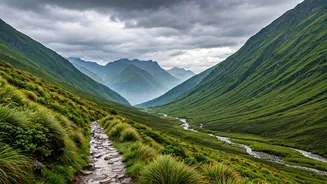
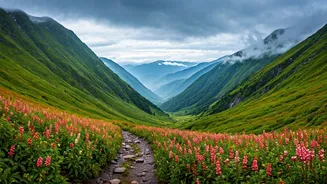
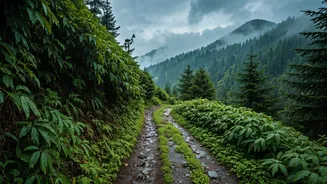
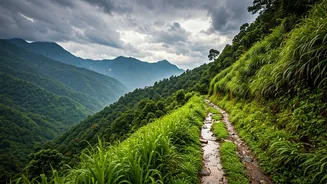
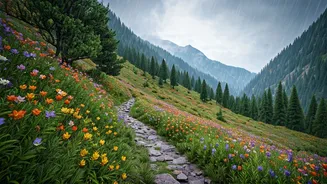
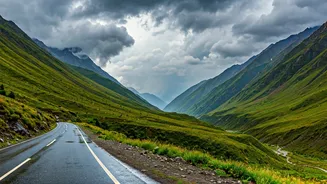
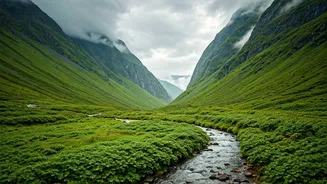
Arguably the most famous monsoon trek in India, the Valley of Flowers is a UNESCO World Heritage Site that lives up to its name from July to September. During this window, the valley, located in the Chamoli district, transforms into a vibrant canvas of over
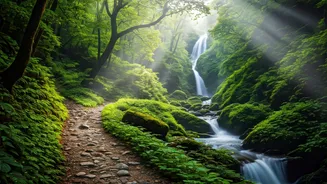
600 species of alpine flowers, including the elusive Blue Poppy and Brahma Kamal. The trek is considered easy to moderate, starting from Govindghat and leading to the base camp at Ghangaria. The trail itself is a journey through misty mountains, alongside the gushing Pushpawati River, and past countless waterfalls. While the main attraction is the flower-strewn valley, many trekkers also make the pilgrimage to the serene Hemkund Sahib lake, located at a higher altitude.
Hampta Pass, Himachal Pradesh
For those seeking a dramatic change of scenery, the Hampta Pass trek is an unparalleled experience. This trek uniquely connects the lush, green Kullu Valley with the stark, arid landscapes of Lahaul. The monsoon season enhances this contrast; the Kullu side is teeming with blooming flowers, dense pine forests, and gushing streams, while the Lahaul side often remains in a drier, rain-shadow region. The trek, which is of moderate difficulty, typically takes about four to five days and involves exciting river crossings and camping at stunning sites like Balu Ka Ghera. The final ascent to the Hampta Pass at 4,270 meters rewards trekkers with breathtaking, panoramic views of the two distinct valleys.
Bhrigu Lake, Himachal Pradesh
A perfect weekend trek for those starting from Manali, the Bhrigu Lake trek offers incredible rewards for a relatively short duration. The trail leads you through vast, rolling alpine meadows that are often compared to the landscapes of Switzerland. During the monsoon, these meadows are at their greenest, dotted with wildflowers and grazed by wild horses, creating a postcard-perfect setting. The main destination is the sacred Bhrigu Lake, which lies nestled amidst the high-altitude plains. The trek is considered easy to moderate, making it accessible for many fitness levels and a great introduction to monsoon hiking in the Himalayas.
Tirthan Valley, Himachal Pradesh
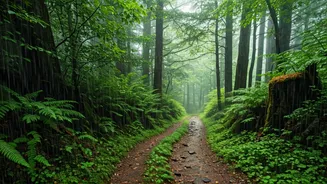
While many parts of Himachal receive heavy rainfall, Tirthan Valley offers a more serene and less crowded monsoon experience. Known for its charming wooden homestays, trout-filled river, and entry to the Great Himalayan National Park, the valley is perfect for those who prefer gentle hikes over strenuous treks. The monsoon turns the entire valley into a lush paradise, with misty forests and waterfalls like Chhoie Waterfall in their full glory. While core park treks can be slippery, ecozone hikes, village walks, and riverside trails are wonderful ways to experience the monsoon magic here. It's advisable to visit in the shoulder monsoon months like late June or early September to avoid the heaviest downpours.
Tips for a Safe Monsoon Trek
Trekking in the monsoon requires extra preparation. Always check the weather forecast and trail conditions, as landslides can be a risk in some areas. Invest in good quality waterproof gear, including a reliable raincoat, a backpack cover, and waterproof trekking shoes with a strong grip. It's wise to carry quick-drying clothes, leech-repellent or salt, and a comprehensive first-aid kit. Starting your trek early in the day can help you avoid the common afternoon showers. For safety, especially on less-trodden paths, it's always recommended to go with a group or a certified local guide.