






The National Water Report Card
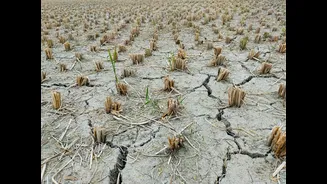
As of late September 2026, water storage in India's 178 major reservoirs stands at approximately 70% of their total capacity. This figure is concerning because it falls below both last year's level of 79% and the 10-year average of 76.62% for this time
of year. With the southwest monsoon, which provides over 70% of the country's annual rainfall, officially ending on September 30, these levels are critical for determining water availability for the upcoming dry season. The situation is particularly acute in Southern India, where reservoirs are at just 50% capacity, a steep drop from 87% the previous year. This deficit, a result of uneven monsoon rainfall, has already prompted drought declarations in parts of states like Karnataka and Maharashtra.
Why Reservoir Levels Matter to You
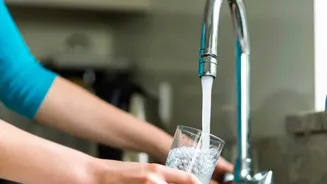
It can be easy to dismiss reservoir statistics as a distant, large-scale problem, but these dams and water bodies are the starting point for the water that reaches our taps. They supply water for drinking, generate hydropower for electricity, and are essential for irrigating the farms that grow our food. When levels are low, water management authorities must make difficult decisions, which can lead to scheduled water cuts in residential areas, reduced water pressure, and a greater reliance on expensive water tankers. The strain on these national resources is directly felt in our kitchens, bathrooms, and daily routines, making household water conservation not just a suggestion, but a crucial part of the solution.
In the Bathroom: High-Impact Savings
The bathroom is where a significant amount of household water is consumed, but it's also where simple habit changes yield the biggest savings. Start by fixing any leaks immediately; a dripping tap or a constantly running toilet can waste hundreds of litres of water per month. Consider switching from long showers to using a bucket, a traditional method that gives you complete control over the amount of water used. If you prefer showers, aim to keep them short. Turning off the tap while brushing your teeth, shaving, or lathering soap is another effortless way to prevent litres of clean water from going straight down the drain.
In the Kitchen: A Smarter Way to Wash and Cook
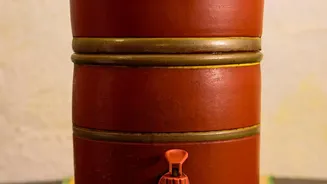
Your kitchen habits can also be a major source of water waste or conservation. Instead of washing fruits and vegetables under a running tap, fill a basin with water to rinse them. You can then reuse this relatively clean water for your houseplants. The same principle applies to washing dishes; avoid letting the water run continuously by filling one part of the sink for washing and another for rinsing, or by using a washing bowl. Furthermore, be mindful of the significant water wastage from RO purifiers. Collect the RO reject water and use it for mopping floors, pre-rinsing dishes, or cleaning.
Laundry and Cleaning: Full Loads and Re-Use
When it comes to laundry, the golden rule is to only run your washing machine with a full load. Half-load cycles are inefficient and use a disproportionate amount of water for the number of clothes being washed. For general cleaning around the house, a bucket and cloth are far more water-efficient than using a running hose, especially for tasks like washing a car or cleaning a balcony. A broom is always a better choice than a hose for cleaning driveways and sidewalks. These adjustments reduce consumption and also ingrain a more mindful approach to using this finite resource in our daily chores.