






The Science of Spongy Hair
Think of your hair strands as tiny, complex structures made of a protein called keratin. These keratin chains are held together by different types of bonds. The weakest of these are hydrogen bonds. When the air is saturated with moisture, as it is during
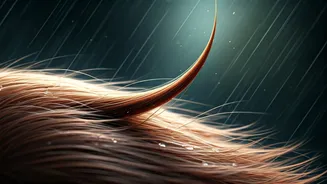
the monsoon, your hair—which is naturally porous—acts like a sponge, soaking up this excess water. This influx of water molecules disrupts and breaks the temporary hydrogen bonds, causing the hair shaft to swell unevenly. This swelling lifts the outer layer of the hair, the cuticle, making it rough, frizzy, and significantly more fragile. An intact cuticle gives hair its shine and strength, but a compromised one leads to hair that's weak, dull, and prone to snapping at the slightest pressure.
A Troubled Environment on Your Scalp
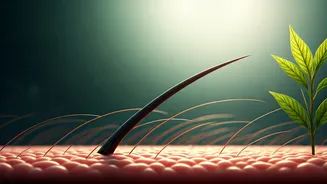
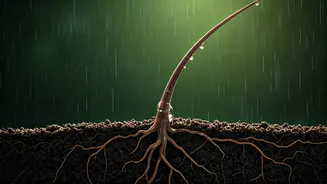
Your scalp has its own delicate ecosystem, or microbiome. In normal conditions, it stays balanced. But the constant dampness and warmth of the monsoon season create the perfect breeding ground for fungi and bacteria. The humidity, combined with sweat, traps oil and dirt on the scalp, clogging hair follicles. This can trigger a host of problems, from itchiness and dandruff (often caused by an overgrowth of the Malassezia fungus) to more severe fungal or bacterial infections. An unhealthy, inflamed scalp cannot provide a strong foundation for your hair. The follicles become weakened, disrupting the natural hair growth cycle and pushing more hair into the telogen (shedding) phase, resulting in increased hair fall directly from the root.
The Sheer Weight of Water
While it sounds dramatic, the physical weight of the water absorbed by your hair is another contributing factor. Hair can absorb up to 30% of its own weight in water. When thousands of strands on your head become waterlogged, their collective weight increases. This added mass puts a constant, gentle pulling force on the hair follicles. For hair that is already weakened at the root due to scalp issues or is naturally fine, this extra weight can be the final straw. It accelerates the shedding of hairs that were already nearing the end of their growth cycle, making it seem like you're losing hair 'instantly' after stepping out into the humid air or after a hair wash.
Breakage vs. True Hair Fall
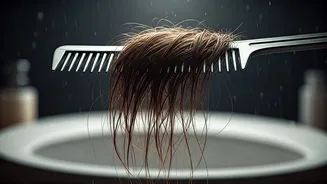
It’s important to distinguish between hair breakage and hair fall, because the monsoon amplifies both. Hair fall is when the entire strand, including the bulb at the end, sheds from the follicle. This is what we discussed regarding scalp health and the hair cycle. Hair breakage, on the other hand, is when the strand snaps somewhere along its length. The humidity makes your hair more elastic but also reduces its tensile strength, meaning it stretches more but breaks easier. Simple acts like detangling, tying your hair up too tightly, or even vigorous towel-drying can cause these weakened, swollen strands to snap. So, when you see a frightening amount of hair in your brush, it's likely a combination of increased shedding from the roots and increased breakage along the shafts.
Building Your Monsoon Hair Defence
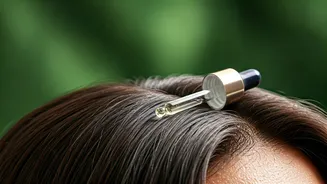
While you can't change the weather, you can adapt your routine. First, keep your scalp clean. Use a gentle, sulphate-free shampoo regularly, and consider an anti-dandruff or anti-fungal shampoo with ingredients like ketoconazole or zinc pyrithione once a week to keep microbes in check. Secondly, never tie up wet hair, as this creates a damp trap on your scalp and puts strain on the fragile strands. Use a wide-toothed comb to detangle, starting from the ends and working your way up. Finally, boost your diet with hair-friendly nutrients like biotin, iron, zinc, and protein. These provide the internal building blocks your body needs to grow strong hair that is more resilient to external stressors like humidity.