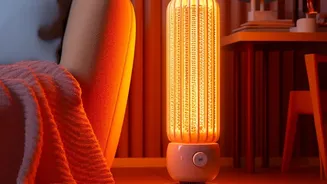







As winter's chill arrives, the instinct is to create a warm, cozy bedroom. But the very things we use to fight the cold—heavy curtains and sealed windows—can trap us with something far less comforting: stale, unhealthy air.
The Comfort Trap: Sealing Your Home for Winter
When temperatures drop, our
first move is to winter-proof our homes. We pull out the thick, thermal curtains and diligently seal any gaps around windows and doors to stop drafts. This creates a comforting barrier against the cold and is a smart way to conserve heat and reduce energy bills. However, this efficiency comes at a hidden cost. Modern homes, especially in urban areas, are often built to be incredibly airtight. While older, drafty houses provided constant, albeit accidental, ventilation, our well-sealed modern spaces can reduce the natural air exchange rate to almost zero. This means that while we’re successfully keeping the cold out, we’re also trapping a host of indoor pollutants in.
What's Really in Your Bedroom Air?
A sealed bedroom might feel peaceful, but the air you're breathing is far from pristine. The most immediate pollutant is carbon dioxide (CO2), which we exhale with every breath. In a poorly ventilated room, CO2 levels can rise significantly overnight from a normal outdoor level of around 400 parts per million (ppm) to well over 1,000 ppm. Beyond CO2, bedrooms are often sources of Volatile Organic Compounds (VOCs). These chemicals are released from everyday items like mattresses, furniture, carpets, paints, and even personal care products. When ventilation is poor, these gases accumulate. Add in moisture from breathing and perspiration, dust mites, and other potential allergens, and your cozy sanctuary becomes a reservoir of stale, contaminated air.
The Unseen Health Costs of Stale Air
The effects of poor indoor air quality are often subtle and easily mistaken for other issues. Waking up with a headache, a dry or sore throat, nasal congestion, or persistent grogginess can all be signs of elevated CO2 and VOC levels overnight. This collection of symptoms is sometimes referred to as Sick Building Syndrome, where health issues are directly tied to the time spent in a specific building with poor ventilation. Studies have shown that high concentrations of indoor pollutants can reduce sleep quality, impair cognitive function the next day, and irritate the respiratory system. For individuals with asthma or allergies, the concentration of dust mites or mould spores in a damp, unventilated room can be a significant trigger for nighttime symptoms.
Why Fresh Air Exchange Is Crucial
To maintain a healthy indoor environment, a concept called Air Changes per Hour (ACH) is used. This measures how many times the entire volume of air in a room is replaced with fresh outdoor air in one hour. While standards vary, residential buildings should ideally have a minimum of 0.35 ACH to ensure pollutants are diluted and removed. When you seal your bedroom tightly with heavy curtains and weatherstripping, the ACH can drop dramatically. Heavy, lined curtains are excellent at blocking cold and even sound, but their dense, often airtight nature also prevents the subtle air movement that would normally occur around a window, effectively creating another seal. The goal isn't to live in a drafty house, but to replace uncontrolled drafts with controlled, intentional ventilation.
Smart Ventilation: Fresh Air Without the Freeze
The good news is that you don't have to choose between being warm and breathing fresh air. The key is strategic, efficient ventilation. Instead of leaving a window cracked open all day, which leaks heat constantly, adopt the practice of 'shock ventilation'. This involves opening windows wide for 5 to 10 minutes, once in the morning and once in the evening. This method quickly exchanges the entire volume of stale indoor air for fresh outdoor air without allowing the walls and furniture to lose their stored heat. If possible, create a cross_draft by opening a window and the bedroom door to speed up the process. Also, ensure curtains and furniture don't block any heating vents, as this can trap warm air and make your heating system less effective. For a more automated solution, using an air purifier with a HEPA filter can capture VOCs and allergens, while an energy recovery ventilator (ERV) can provide continuous fresh air while recovering heat from the outgoing air.