
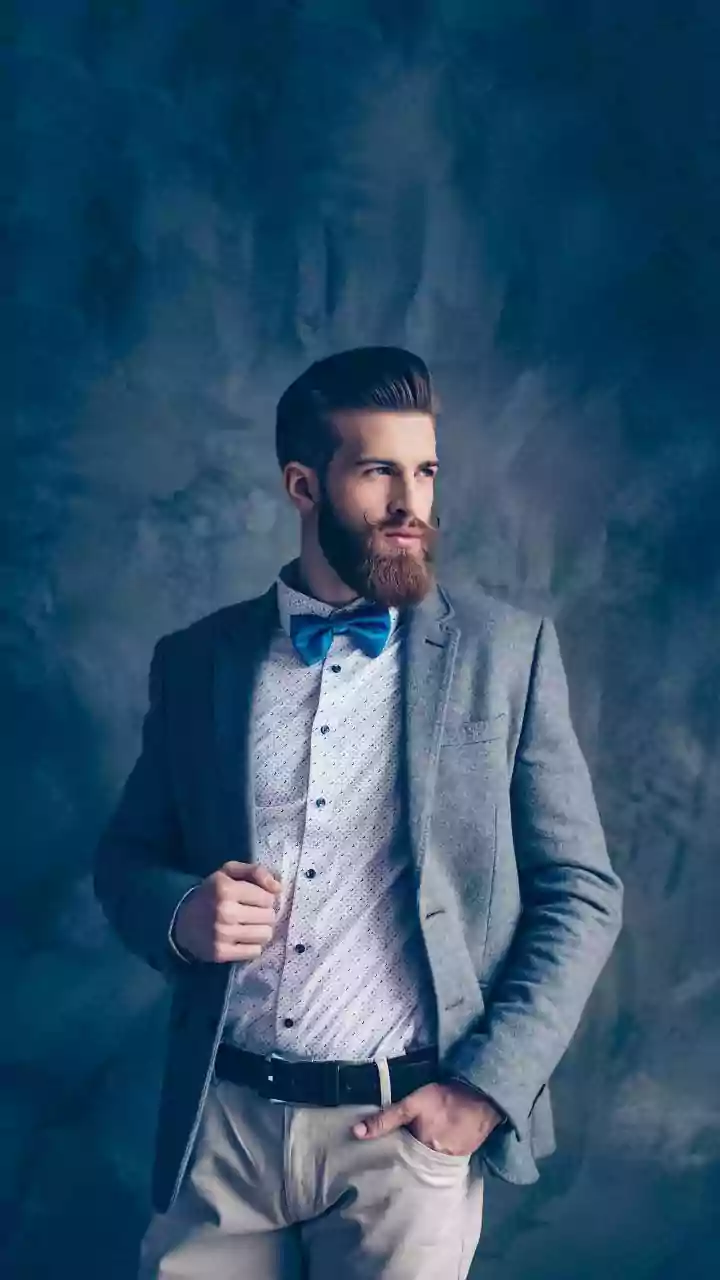

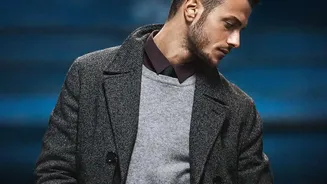


Thinking about a hairstyle with shorter sides but nervous about a dramatic change? The tapered undercut offers the perfect middle ground, giving you a sharp, modern look that's both stylish and incredibly versatile without being too extreme.
What Is a Tapered Undercut?
To understand
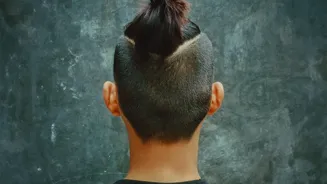
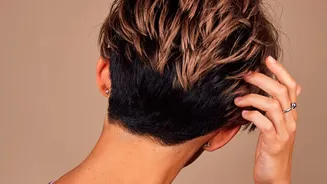
this hybrid style, it helps to know the basics. A classic undercut features a strong disconnection; the hair on top is left long while the sides and back are clipped to one short length, creating a sharp contrast. A taper, on the other hand, is a much more subtle and gradual shortening of the hair, typically just around the sideburns and neckline. A tapered undercut combines these two ideas. It has the shorter sides of an undercut but instead of a single abrupt length, the hair gradually tapers down. This creates a softer, more blended transition that is less severe than a classic disconnected undercut, making it an ideal choice for first-timers.
Why It's the Perfect Starting Point
The main appeal of the tapered undercut is its versatility. It provides the clean, structured look of short sides while avoiding the aggressive statement of a skin fade or a sharply disconnected style. This makes it suitable for a wide range of settings, from the office to a night out. Because the transition in length is gradual, it also tends to grow out more gracefully than a classic undercut, which can look awkward as the short sides start to lengthen. For anyone with thick or curly hair, this style can be particularly beneficial, as removing weight from the sides makes the hair feel lighter and easier to manage while letting the texture on top stand out.
Finding Your Ideal Variation
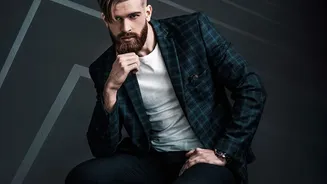
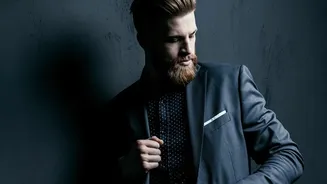
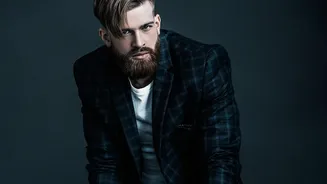
The beauty of the tapered undercut lies in its customisation. The 'taper' can be low, starting just above the ears, for a very conservative and professional look. A mid or high taper will start further up the head, creating a bolder but still blended appearance. The length you leave on top dramatically changes the overall aesthetic. Longer hair on top allows for classic styles like a pompadour or a slick-back. A medium length can be styled into a textured quiff or a more relaxed side part. Even a shorter, cropped style on top works well with a taper, offering a low-maintenance but still sharp look. The key is the balance between the gradually shorter sides and the styled top.
How to Talk to Your Barber
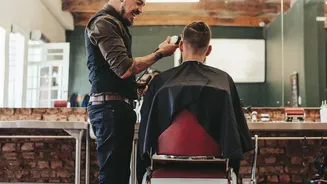
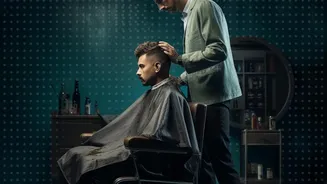
Clear communication is crucial to getting the haircut you want. Simply asking for 'short on the sides' is too vague. Start by bringing in a few photos of tapered undercuts you like. Use specific language: tell your barber you want an 'undercut with a taper on the sides and back'. Specify that you do not want a 'disconnected' look but rather a 'blended' or 'gradual' transition. It also helps to mention the clipper guard number for the shortest part of the taper if you have a preference (for example, 'tapering down to a number 2'). Be clear about how much length you want to keep on top. Phrases like 'just enough to style back' or 'keep the length on top' are essential.
Styling and Maintenance at Home
Styling a tapered undercut primarily focuses on the longer hair on top, as the sides require little to no attention. Start with towel-damp hair. For a textured, matte finish, work a small amount of styling clay or fiber paste through your hair. For a slicker, more polished look like a comb-over or slick-back, a pomade will provide the necessary hold and shine. Using a blow dryer can make a huge difference, directing the hair up and back to create volume before applying any product. To keep the taper looking sharp, you'll likely need a trim every three to four weeks, as the clean lines around the ears and neck will soften as your hair grows.