


The Science of a Smart Warm-Up
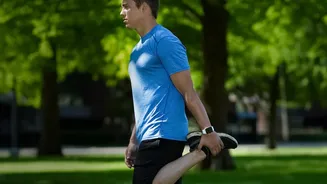
For years, the standard pre-workout ritual involved static stretching—holding a pose like a hamstring or quad stretch for 30 seconds or more. Modern sports science, however, has shifted its focus to dynamic warm-ups. Unlike static stretching, which is
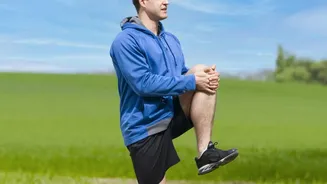
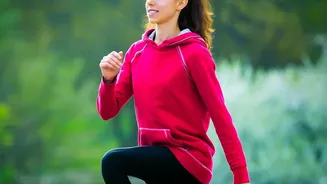
about holding a muscle in an elongated position, a dynamic warm-up involves controlled, fluid movements that take your joints through their full range of motion. Think of it as actively rehearsing the movements you're about to perform. This approach increases your heart rate, sends oxygen-rich blood to your muscles, and raises your body temperature. Warmer muscles are more pliable and less prone to strains or tears. Furthermore, dynamic movements wake up your nervous system, improving the connection between your brain and muscles for better coordination and power. Studies have shown that structured warm-ups can reduce injury rates by 30 to 50 percent. Static stretching still has its place, but it's best reserved for your post-workout cool-down to improve long-term flexibility.
Leg Swings for Hip Mobility
Your hips are central to almost every major movement, from running to squatting. Tight hips can lead to compromised form and potential injuries in the lower back and knees. Leg swings are a fantastic way to open them up. Stand next to a wall for balance and swing one leg forward and backward in a smooth, controlled motion. Perform 10-15 swings, then switch legs. Next, turn to face the wall and perform side-to-side swings, crossing your leg in front of your body. These movements dynamically stretch the hamstrings, hip flexors, and glutes, preparing your lower body for action. The goal is not to force a high kick, but to gradually increase the range of motion with each swing, promoting blood flow and mobility in the hip joint.
Torso Twists to Activate Your Core
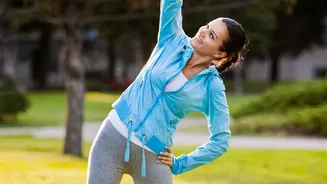
A stable core is your foundation for strength and power, protecting your spine during lifts and explosive movements. Torso twists activate the obliques and other stabilising muscles around your midsection. Stand with your feet shoulder-width apart and your knees slightly bent. You can hold your arms out to the sides or cross them over your chest. Gently rotate your upper body from side to side, allowing your hips to move naturally with the motion. This isn't a high-intensity twist; it's a fluid movement designed to warm up the rotational muscles of your trunk. This simple exercise improves spinal mobility and primes your core for the bracing required in exercises like deadlifts, squats, and overhead presses, ensuring your midsection is ready to provide support.
Arm Circles for Shoulder Health
The shoulder is a complex ball-and-socket joint that requires careful preparation, especially before any upper-body or throwing activities. Arm circles are a simple yet effective way to warm up the entire shoulder girdle. Stand with your feet shoulder-width apart and extend your arms straight out to your sides. Begin by making small, controlled circles, gradually increasing their size. Do about 10-15 circles in a forward direction, then reverse and perform the same number of circles backward. This movement increases blood flow to the deltoids, rotator cuff muscles, and surrounding tissues, enhancing joint mobility and preparing the shoulders for pushing and pulling exercises.
Bodyweight Squats and Lunges
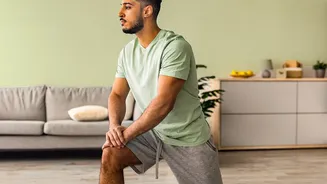
To prepare for your workout, you should perform movements that mimic the main exercises you plan to do. Bodyweight squats and walking lunges are perfect examples of sport-specific warm-ups for any lower-body day. Performing these exercises without weight allows you to focus on proper form and activate the key muscle groups—quads, hamstrings, and glutes. For squats, stand with your feet shoulder-width apart and lower your hips as if sitting in a chair, keeping your chest up and back straight. For walking lunges, step forward with one leg and lower your hips until both knees are bent at a 90-degree angle. These movements activate the muscles, lubricate the knee and hip joints, and reinforce the correct movement patterns you'll use under load, ultimately leading to a safer and more effective workout.