






A Global Stamp of Approval
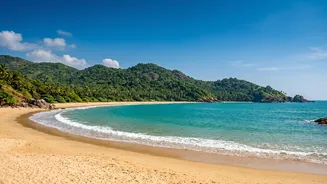
For the first time, Maharashtra has made its debut on the prestigious international 'Blue Flag' list. Three of its scenic coastal spots—Guhagar and Ladghar in Ratnagiri district, and Shrivardhan in Raigad district—received the Blue Flag certification
for the 2026-27 season. This isn't just another travel award; it's a globally recognised eco-label awarded by the Denmark-based Foundation for Environmental Education (FEE). It signifies that these beaches meet some of the world's most stringent standards for environmental management, water quality, safety, and sustainable tourism. With this, Maharashtra joins a select group, contributing to India's growing list of 22 Blue Flag-certified beaches.
More Than Just Golden Sands
While the Konkan coast is renowned for its stunning shorelines, the Blue Flag certification highlights experiences that go far beyond a simple day at the beach. Guhagar is celebrated for its pristine, six-kilometre stretch of white sand lined with lush casuarina trees and clean bathing waters. Ladghar, popularly known as 'Tamas Teertha' for the reddish tint of its sand at sunset, offers calm waters and is a hub for dolphin-spotting eco-tours. Shrivardhan beach is noted for its tranquil, crescent-shaped shoreline and a flat, safe gradient perfect for swimming. The award validates that these beautiful sights are backed by a serious commitment to preserving the very nature that makes them so attractive.
The Blueprint for a Blue Flag
Achieving Blue Flag status is a rigorous process. Beaches must comply with 33 strict criteria across four main pillars. The first is ensuring excellent bathing water quality, which involves regular testing to confirm it is free from sewage or industrial runoff. The second pillar is environmental management, which includes robust systems for waste segregation, recycling, regular clean-ups, and ensuring that tourist activities do not harm the local ecosystem. The third involves safety and services, requiring the presence of lifeguards, first-aid stations, and clean drinking water. Finally, the fourth pillar, environmental education, mandates that information about the local ecosystem and a code of conduct for visitors is clearly displayed to foster public awareness.
A Community-Centred Success
This achievement was not the result of government action alone. Officials have highlighted that the success was a coordinated effort involving the state's Environment and Tourism departments, district administrations, and, crucially, local bodies and communities. Strong gram panchayat-led initiatives, such as the waste segregation systems in Shrivardhan, and community-managed biodiversity protection at Ladghar were key factors. This approach aligns with a growing understanding in conservation that local ownership is vital for long-term success. When communities are involved in managing natural resources, they are more invested in their protection, ensuring that the benefits of tourism also support local livelihoods and economies.
Setting a New Standard for Indian Tourism
Maharashtra's success serves as a powerful model for the rest of the country. By proving that development and environmental protection can go hand-in-hand, these three beaches have laid down a blueprint for sustainable coastal management. State officials have expressed their commitment to extending the Blue Flag program to other eligible beaches, aiming to make Maharashtra a leading hub for eco-friendly tourism. This international recognition not only boosts the global visibility of these specific locations but also elevates the standard for Indian tourism as a whole. It sends a clear message to travellers that they can find world-class, clean, and environmentally responsible destinations right here in India.