
What 'Processed Food' Really Means
The term 'processed' simply refers to any food that has been altered from its natural state. This can be as simple as chopping vegetables, pasteurising milk to make it safe, or freezing peas to preserve their nutrients. Even home cooking is a form of
processing. The confusion arises because this single term covers a vast spectrum, from healthy staples to unhealthy snacks. The key is to understand the different levels of processing, often categorised using a system called NOVA, which groups foods into four tiers from unprocessed to ultra-processed.
The Good Side: Minimally Processed Foods
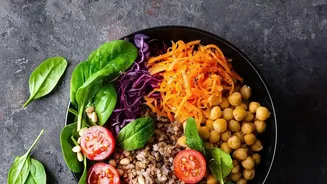
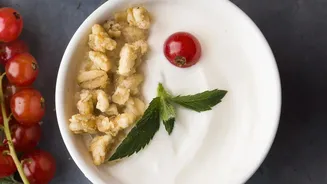
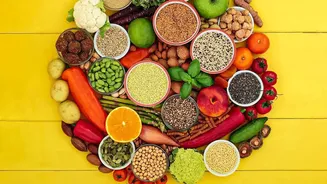
Many processed foods are incredibly beneficial and form the foundation of a healthy Indian kitchen. Minimally processed foods are altered to preserve them or make them safe, but their core nutritional value remains largely intact. Think of essentials like whole-wheat atta, dals, pasteurised milk, plain yogurt, and frozen vegetables. These items offer convenience without sacrificing health. They are rich in nutrients and fibre, helping you feel full and maintain steady energy levels. Similarly, processed culinary ingredients like cold-pressed oils, salt, and traditional spices are necessary for cooking healthy meals from scratch.
The Concern: The Rise of Ultra-Processed Foods
Ultra-processed foods (UPFs) are at the other end of the spectrum and are a growing concern in India. These are not just foods with added salt or sugar; they are industrial formulations made with substances extracted from foods and a long list of additives like artificial colours, flavours, and stabilisers that you wouldn't use in a home kitchen. Common examples in Indian households include instant noodles, packaged chips and biscuits, sugary breakfast cereals, and sweetened beverages. Studies have linked high consumption of these foods to an increased risk of obesity, type 2 diabetes, and heart disease. They are designed to be hyper-palatable, making them easy to overconsume.
Your Best Defence: Reading the Food Label
Navigating the supermarket aisle becomes much easier when you know how to read a food label. The Food Safety and Standards Authority of India (FSSAI) mandates clear labelling. Start with the ingredients list, which is ordered by quantity from highest to lowest. If sugar, refined flour (maida), or palm oil are in the top three, it's a red flag. A very long list of chemical-sounding names is also a sign of an ultra-processed product. Next, check the nutrition facts, paying attention to the 'per 100g' column for easier comparison between products. Be wary of serving sizes, which are often unrealistically small. A packet of biscuits might list the calories for just three biscuits, when you might eat more.
Smart Swaps for a Healthier Indian Kitchen
Making healthier choices doesn't mean you have to abandon convenience entirely. It's about making smart swaps. Instead of sugary packaged fruit juices, blend a whole fruit with yogurt for a homemade smoothie or just eat the fruit. Swap instant noodles for a quick bowl of poha or upma loaded with fresh vegetables. Instead of reaching for a packet of biscuits with your evening chai, try a handful of roasted chana, makhana (fox nuts), or a small bowl of nuts. Even traditional Indian recipes for items like idli or dhokla are now available as ultra-processed mixes, so reading the label is crucial to choose the ones with the simplest, most recognisable ingredients.