




A New Era for Lunar Ambitions
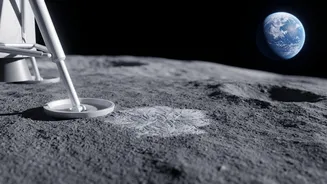
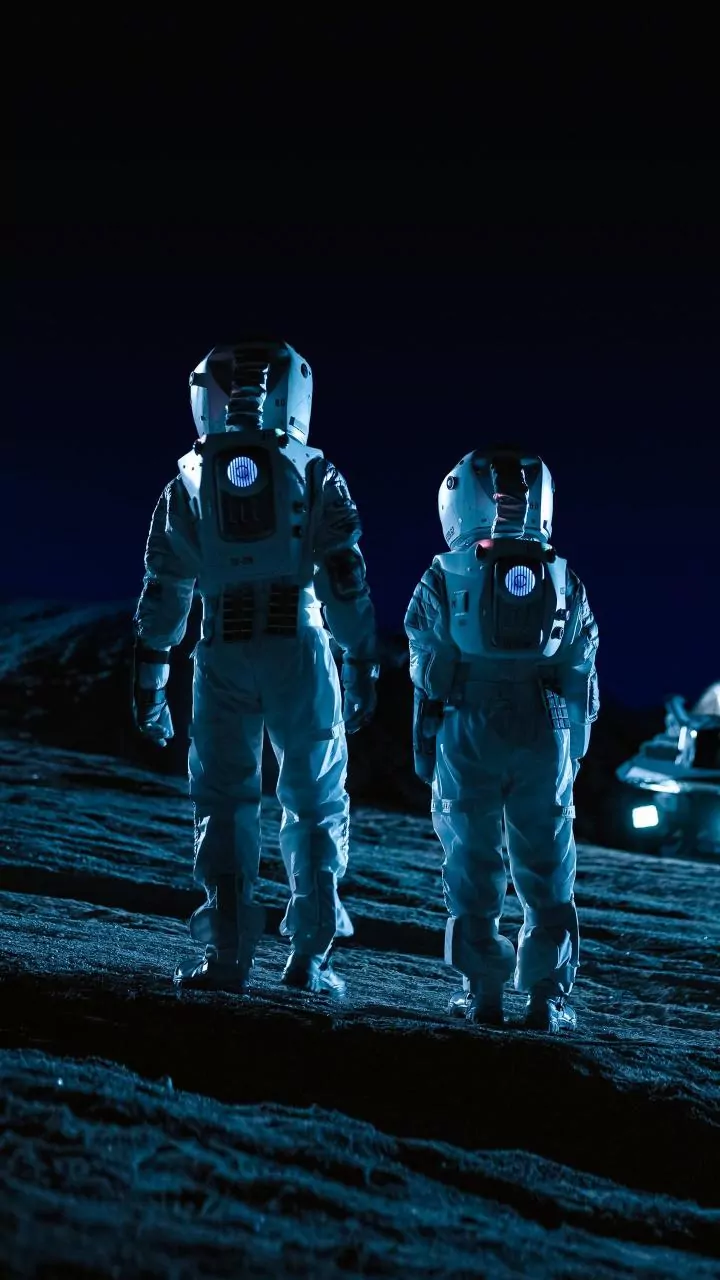
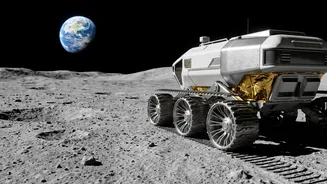
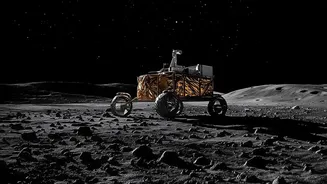
For the first time since the Apollo era, the world’s space powers are looking at the Moon not just as a destination for fleeting visits, but as a place for a permanent foothold. NASA's Artemis program aims to do just that, with plans to establish a sustained
human presence on the lunar surface. A recent invitation extended in early August 2026 for ISRO to formally join the Moon Base program signals a new phase in this global effort. This collaboration isn't just about planting flags; it's about building a scientific outpost that could serve as a stepping stone for future missions to Mars and beyond. The focus is on the Moon's South Pole, a region believed to hold vast deposits of water ice, a critical resource for generating breathable air and rocket fuel.
A Partnership Forged in Trust
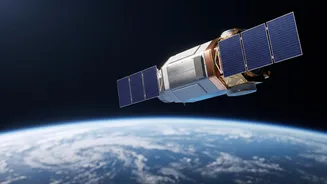
The invitation to collaborate on a moon base builds upon a long and successful history of cooperation between the two democratic space powers. A shining example is the NISAR (NASA-ISRO Synthetic Aperture Radar) satellite, a joint Earth-observation mission launched in July 2025 that began its science operations phase in early 2026. This sophisticated satellite provides crucial data on climate change, disaster management, and agriculture, demonstrating the agencies' ability to execute complex projects together. The partnership was further solidified in June 2023 when India became the 27th signatory to the Artemis Accords, a U.S.-led set of principles for safe and responsible space exploration. This non-binding agreement laid the groundwork for deeper collaboration, ensuring both nations operate with shared values like transparency and the peaceful use of space.
What Each Side Brings to the Table
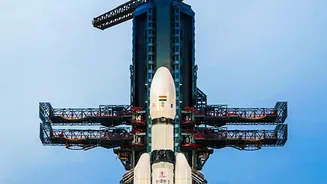
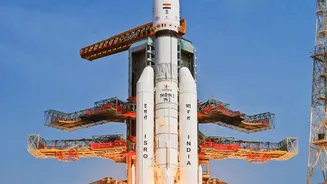
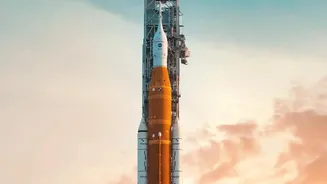
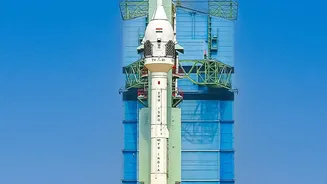
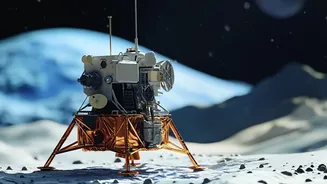
This partnership is a classic case of complementary strengths. NASA brings decades of experience in human spaceflight, heavy-lift launch capabilities with its Space Launch System (SLS), and an unparalleled deep space communications network. Its ambitious, multi-phase plan for the moon base, scheduled to begin its initial infrastructure deployment around 2029, requires a coalition of capable partners. On the other side, ISRO has earned a global reputation for its innovative and highly cost-effective engineering. The historic success of its Chandrayaan-3 mission, which achieved the first-ever soft landing near the lunar South Pole in 2023, provides invaluable expertise and data for navigating this challenging terrain. India is also pursuing its own ambitious space roadmap, including a planned human moon landing by 2040, making its strategic goals highly aligned with NASA's.
More Than Just Science and Technology
The collaboration has significance that extends far beyond science. In an era of renewed great power competition, the U.S.-India space partnership serves a crucial geopolitical purpose. It presents a powerful democratic counterweight to the space ambitions of nations like China and Russia, who are not part of the Artemis framework. By working together, NASA and ISRO are not just building a base on the Moon; they are reinforcing a rules-based international order for space exploration. This alliance allows both nations to pool resources, accelerate technological development, and ensure that the future of humanity in space is guided by principles of openness and cooperation.