



A Vision for Wildlife After Dark
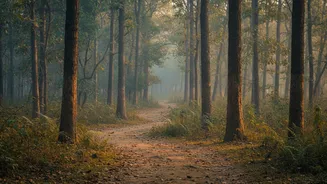
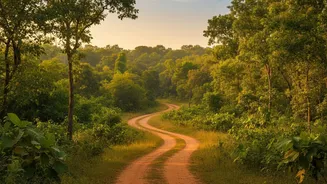
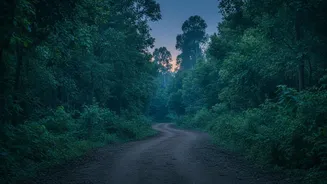
After years of regulatory reviews, the Supreme Court in July 2026 gave the final green light to the Uttar Pradesh government's ₹1,500-crore Kukrail Night Safari project. Set within the sprawling 2,027-hectare Kukrail Reserve Forest, the project is inspired
by world-renowned nocturnal parks like the one in Singapore. Unlike traditional zoos, the night safari will allow visitors to observe nocturnal animals during their most active hours. The plan involves specially designed electric trams that will take visitors on trails under simulated moonlight, ensuring the animals are not disturbed. This facility will be India's first urban night safari and only the fifth of its kind in the world. The project will be developed in two phases, with the first phase focusing on the night safari itself, and the second phase on establishing a new, modern day zoo at the site.
More Than Just a Safari
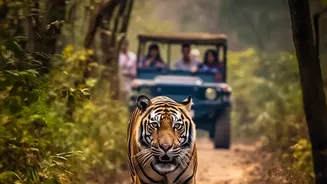
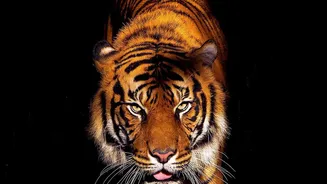
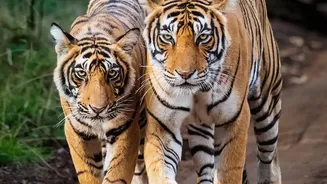
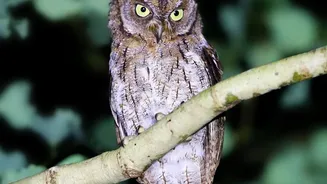
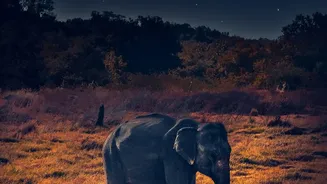
The project is about more than just tourism; it's being framed as a blend of wildlife conservation, research, and education. The master plan includes facilities for conservation breeding, interpretation centres, and even a 7D theatre to create an immersive educational experience. The safari and the new day zoo are expected to house over 115 species in spacious, naturalistic enclosures designed to mimic their native habitats, including grasslands and wetlands. Visitors can expect to see a variety of animals, from big cats like Asiatic lions and Bengal tigers to local species such as flying squirrels. The entire facility is planned to be solar-powered, reinforcing its eco-friendly credentials.
Navigating Environmental Concerns
The project's journey has not been without controversy, primarily due to its location within an ecologically sensitive reserve forest. The initial proposal faced significant pushback from environmentalists and retired forest officials. One of the most contentious points was a plan to relocate the existing 104-year-old Lucknow Zoo from the city center to Kukrail. However, the court-appointed Central Empowered Committee (CEC) rejected this proposal, arguing that the current zoo serves as a vital green lung for the city and its relocation was unnecessary. As a result, the project was modified: the old zoo will remain, and a new, separate day zoo will be constructed at Kukrail alongside the night safari. Other conditions imposed include restricting a proposed road to two lanes instead of four to save trees and scrapping a planned 'Adventure Zone'. The Supreme Court has mandated strict compliance with all environmental safeguards and periodic inspections to monitor the project's execution.
The Economic and Tourism Impact
For Lucknow and Uttar Pradesh, the Kukrail Night Safari is a cornerstone of a broader strategy to boost tourism beyond the state's traditional religious and historical circuits. By creating a unique wildlife attraction, the government hopes to draw both domestic and international tourists, generating employment and stimulating the local economy. The facility is being designed to handle a significant influx of visitors, with estimates suggesting a capacity of up to 8,000 people per night. Officials believe this will not only enhance Lucknow's profile but also promote greater public awareness and appreciation for wildlife conservation. The project is part of a larger plan to develop the entire Kukrail area, including the rejuvenation of the Kukrail riverbed, into a major eco-tourism hub.