



1. The 'Find It' Scent Game
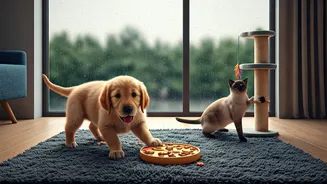
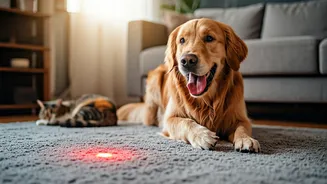
A dog's nose is a powerful tool, and putting it to work is one of the best ways to tire them out mentally. The 'Find It' game is simple but incredibly effective. Start easy: have your pet sit and stay, show them a high-value treat, and then hide it in plain
sight while they watch. Give the cue 'Find it!' and praise them enthusiastically when they do.As they get better, you can increase the difficulty. Hide treats under a cup, inside a slightly open box, or in another room. This game not only provides amazing mental stimulation but also builds their confidence and problem-solving skills. For cats, you can do the same with their favourite crunchy treat or a toy infused with catnip. It taps into their natural hunting instincts in a safe and rewarding way.
2. DIY Food Puzzles
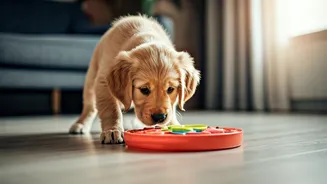
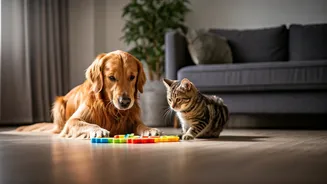
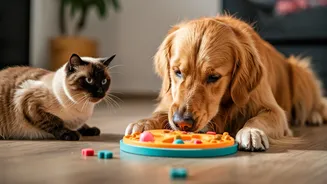
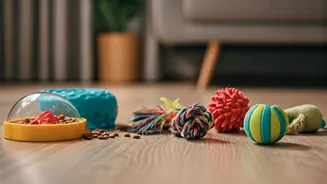
You don’t need to buy fancy puzzle toys to challenge your pet. A simple muffin tin can become an excellent foraging game. Place a few kibbles or small treats in some of the cups and cover all of them with tennis balls or other pet-safe toys. Your dog will have to sniff out the right cups and remove the balls to get their reward.Another great DIY option is the 'towel burrito.' Lay a towel flat, sprinkle treats across it, and then roll it up tightly. Your pet will have to use their nose and paws to unroll the towel to find the goodies. These activities slow down fast eaters and turn mealtime into a fun, brain-boosting activity instead of a two-minute race.
3. Hide-and-Seek
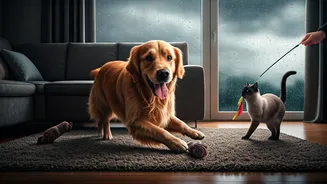
This isn't just a game for kids. Pets, especially dogs, often love a good game of hide-and-seek. It reinforces the 'stay' and 'come' commands while turning training into a fun bonding experience. If your pet doesn’t have a solid 'stay,' ask a family member to help by holding them gently while you hide. Once you're hidden, call their name excitedly. The sheer joy on their face when they find you is a reward in itself.Start with easy hiding spots behind a curtain or a door before moving to more challenging locations. For cats, the game is a bit different; you are the 'prey.' Hide behind a sofa and peek out, then duck back in. This often triggers their playful pounce instinct, providing great entertainment for both of you.
4. The Right Way to Play Tug
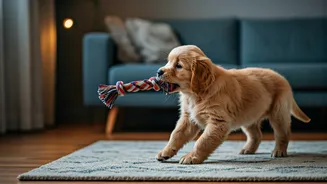
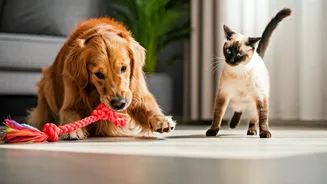
Tug-of-war has a bad reputation, but when played correctly, it's a fantastic game for building confidence and strengthening your bond. The key is to establish rules. First, use a designated 'tug' toy—not a stray sock or a shoe. Second, teach a 'drop it' or 'release' command. The game should pause frequently when you ask them to let go, and then resume as a reward for their obedience.Crucially, your pet should not be making contact with your hands or clothes, only the toy. It’s also a myth that you must always 'win.' Letting your dog win sometimes keeps the game fun and makes them feel successful. If your pet gets too overexcited or growls aggressively, it's time to pause and switch to a calmer activity.
5. Build an Indoor Obstacle Course
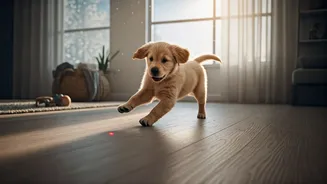
Turn your living room into an agility course. You don't need professional equipment; everyday household items work perfectly. Use pillows for them to step over, a row of dining chairs to create a tunnel to weave through, or a sturdy box to jump onto (and get a treat!). You can use a blanket draped over two chairs to make a tunnel to crawl under.Guide your pet through the course with treats and praise. This not only burns physical energy but also builds their confidence in navigating new and unusual environments. It teaches them body awareness and focus. Keep sessions short and fun, ensuring all surfaces are stable and safe to avoid any injuries.