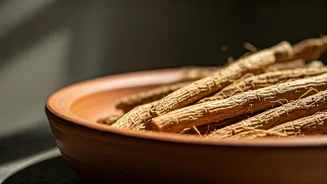









The Ancient Secret of Khus
Vetiver, known locally as khus, is a perennial grass native to India. While it may look like a simple clump of grass on the surface, its magic lies hidden underground in its dense, fibrous root system. For centuries, these roots have been woven into the fabric
of Indian life, especially during the sweltering summer months. You’ve likely encountered its distinctive fragrance without even realising it — woven into window screens (chiks) that are doused with water to cool incoming breezes, infused into refreshing sherbets, or used as a base note in high-end perfumes around the world. The scent is complex and difficult to replicate: woody, earthy, and slightly sweet, reminiscent of a forest floor after the first monsoon rain. This isn’t just a fragrance; it’s a deep, primal scent that feels both grounding and refreshing.
Why an Earthen Bowl Is Key
The choice of an earthen bowl, or 'matka', is not merely for rustic aesthetic appeal; it is a crucial part of the process. Terracotta and other unglazed earthenwares are porous. When you fill the bowl with water, the clay absorbs a small amount of it, and this moisture slowly evaporates from the outer surface. This process of evaporation has a natural cooling effect, chilling the water inside the bowl without any need for electricity. When you place vetiver roots in this cool water, two things happen. First, the cool water prevents the roots from decaying quickly. Second, the porous nature of the pot works in harmony with the roots, allowing for a slow, consistent release of the vetiver’s essential oils into the air. A glass or metal bowl simply cannot replicate this synergistic, cooling, and scent-diffusing action. The earthen bowl is the vetiver root’s perfect partner.
A Simple Guide to Setting It Up
Creating your own natural room freshener is remarkably simple. First, you need to source your materials. Look for dried vetiver roots at local markets, Ayurvedic shops, or online. Ensure you are buying the actual roots, not a processed powder or oil. You will also need a wide-mouthed, unglazed earthen bowl.
1. **Prepare the Roots:** Take a handful of the dried vetiver roots. They are often sold in tangled bundles. Gently rinse them under cool running water to wash away any dust or soil.
2. **Soak and Arrange:** Place the cleaned roots in your earthen bowl. Don’t pack them too tightly. Coil them loosely to allow water to circulate freely around them.
3. **Add Water:** Fill the bowl with clean, cool water until the roots are fully submerged. Within minutes, you will begin to notice the water changing colour slightly and the signature earthy aroma starting to emerge.
4. **Placement:** Position the bowl in a room where there is some air circulation, but not in direct, harsh sunlight. Near a window or in a central living area is ideal. The gentle movement of air will help carry the subtle fragrance throughout the space.
More Than Just a Pretty Scent
The benefits of this simple setup go far beyond masking unpleasant odours. The primary function is deodorizing; vetiver’s complex organic compounds neutralise odour-causing bacteria rather than just covering them up. Secondly, as discussed, it’s a natural air conditioner. The combination of the evaporating water from the earthen pot and the cooling properties attributed to vetiver in Ayurveda helps subtly lower the ambient temperature of a room, making the air feel fresher and more pleasant. Furthermore, the scent of vetiver is renowned in aromatherapy for its calming and grounding properties. It is often used to reduce stress, anxiety, and insomnia. Finally, this is a completely non-toxic and eco-friendly alternative to chemical sprays and plug-in fresheners, which can release volatile organic compounds (VOCs) into your home.
Care and Maintenance
This natural diffuser requires minimal but regular care. The water in the bowl should be changed every two to three days to keep it fresh and prevent stagnation. When you change the water, you can give the roots another quick rinse. A single bundle of vetiver roots will continue to release its fragrance for several weeks. You will know it’s time to replace them when the scent becomes noticeably faint, even with fresh water. The used roots are completely biodegradable and can be added to your compost pile, completing the natural cycle.