
The New Frontier of Ambition
For decades, the pinnacle of aspiration for any Indian engineering student with a passion for space was a coveted position at the Indian Space Research Organisation (ISRO). But a dramatic shift is underway. Inspired by the success of missions like Chandrayaan
and propelled by government-led reforms, a new dream is taking shape: a career in India’s booming private space sector. With over 400 space startups now registered in the country, the landscape of opportunity has transformed. This new generation of engineers is increasingly drawn to the dynamic, fast-paced environment of companies that are building everything from launch vehicles and satellites to propulsion systems and data analytics platforms.
Skyroot and the Vikram-1 Promise
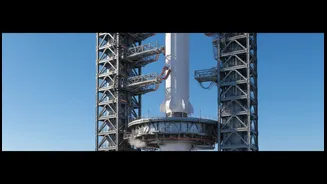
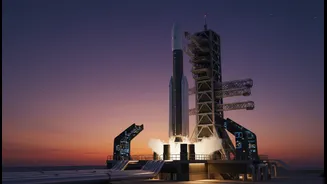
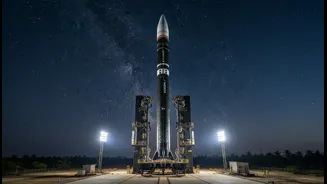
No event captures this new era better than the upcoming launch of Vikram-1. Developed by Skyroot Aerospace, a company founded by former ISRO engineers, this mission is poised to be a watershed moment. Scheduled for liftoff on July 18, 2026, Vikram-1, named 'Aagaman' (Arrival), will be India’s first-ever orbital launch by a private company. Unlike a suborbital flight, which briefly touches space, an orbital mission means the rocket is powerful enough to place satellites into a stable orbit around Earth, a far more complex challenge. A successful flight for the seven-storey-tall rocket, which features an all-carbon composite structure and 3D-printed engines, won't just validate Skyroot’s technology; it will send a powerful signal that India’s private sector is ready for commercial prime time on a global stage.
Why Private is the New Prize
The appeal of startups like Skyroot, Agnikul Cosmos, and Pixxel for young engineers is multi-faceted. While ISRO offers immense prestige and the chance to work on national missions, private firms promise something different: speed, agility, and a higher degree of ownership. Engineers in startups often work in smaller teams, have broader role exposure, and see their work go from design to reality in years, not decades. The compensation is also competitive, with salaries in some private roles matching or exceeding government pay scales, often with the added allure of stock options. This combination of cutting-edge work, faster career progression, and potential financial upside is proving to be a powerful magnet for top talent coming out of India’s elite engineering colleges.
An Ecosystem Ignited by Policy
This startup boom didn’t happen in a vacuum. It is the direct result of a strategic policy shift by the Indian government. The creation of the Indian National Space Promotion and Authorisation Centre (IN-SPACe) in 2020 was a landmark decision. Designed as a single-window agency, IN-SPACe is tasked with promoting, authorising, and supervising the activities of private space companies, effectively opening up a sector that was once the exclusive domain of the state. This reform allows private entities to build their own hardware, use ISRO's world-class facilities, and launch their own missions, creating a supportive ecosystem for innovation and entrepreneurship. The Indian Space Policy 2023 further solidified this by allowing 100% foreign direct investment in key areas, signaling a long-term commitment to growth.
More Than Just Launching Rockets
While launch vehicle companies like Skyroot grab the headlines, the career opportunities span a much wider spectrum. The Indian space economy is rapidly diversifying into satellite manufacturing, in-space propulsion, space situational awareness, and, crucially, space-based data services. Companies like Pixxel are building constellations of hyperspectral imaging satellites, while others focus on ground station operations and analysing satellite data for sectors like agriculture, insurance, and urban planning. This means opportunities exist not just for aerospace and mechanical engineers, but also for those specializing in software, AI, data science, and electronics. As the industry matures, it's creating a complex and interconnected web of high-tech jobs that will power India's economic future.