






Warm Soups and Broths
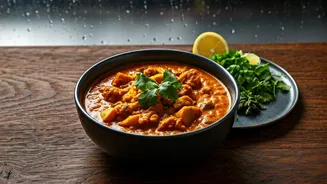
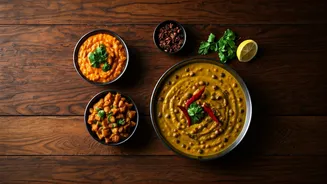
There's nothing more comforting than a hot bowl of soup on a rainy day. Ayurveda recommends warm, cooked foods during the monsoon as they are easier on the digestive system, which can be sluggish. A classic lentil soup (dal) or a mixed vegetable shorba,
spiced with immunity-boosting ingredients like ginger, garlic, turmeric, and black pepper, can help keep you warm and fight off infections. These spices are known for their anti-inflammatory and antimicrobial properties, making them perfect for the season. A simple sweet corn soup is another comforting classic that balances sweetness and warmth.
Khichdi: The Ultimate Comfort Food
Moong dal khichdi is a go-to meal across India, especially during the monsoon. This one-pot dish of rice and lentils is incredibly easy to digest, making it gentle on the stomach. The addition of ghee, cumin, and asafoetida (hing) not only enhances its flavour but also aids digestion and helps prevent bloating, a common issue during this season. You can make it more nutritious by adding seasonal vegetables like carrots and bottle gourd. It's a complete, balanced meal that provides sustained energy without feeling heavy.
Steamed, Grilled, or Air-Fried Snacks
Monsoon cravings often lean towards fried foods like pakoras and samosas. However, these can be heavy and lead to discomfort. Healthier cooking methods like steaming, grilling, or air-frying offer a guilt-free way to enjoy your favourite snacks. Opt for steamed snacks like dhokla or pundi gatti (steamed rice dumplings), which are light and easy on the stomach. Grilled corn on the cob (bhutta) is a seasonal favourite, and can be made into a flavourful chaat. You can also make air-fried pakoras or baked vegetable cutlets to get that satisfying crunch without the excess oil.
Probiotics for Gut Health
A healthy gut is crucial for a strong immune system, which is especially important during the monsoon when the risk of infections is high. Including probiotics in your diet can help maintain a healthy balance of gut bacteria. Fermented foods like yogurt (curd) and buttermilk (chaas) are excellent sources of probiotics. Curd rice is a classic South Indian comfort food known for being soothing on the stomach. A glass of spiced buttermilk can also aid digestion after a meal. However, some Ayurvedic traditions suggest consuming curd and other dairy products in moderation during this season.
Herbal Teas and Kadhas
Staying hydrated is key, and warm beverages are particularly beneficial during the monsoon. Herbal teas infused with spices like ginger, tulsi (holy basil), cinnamon, and cardamom not only keep you warm but also have medicinal properties that can ward off colds and flu. A traditional Ayurvedic concoction, 'kadha', made by boiling various herbs and spices, is a potent immunity booster. A Harvard study found that drinking black tea can also help quadruple your body's immune defence after two weeks.
Cooked Seasonal Vegetables
While leafy greens are packed with nutrients, they are best avoided raw during the monsoon, as they can carry germs and dirt. It's wiser to opt for seasonal vegetables like bottle gourd (lauki), snake gourd, bitter gourd (karela), and pumpkin. Ayurveda recommends eating well-cooked vegetables, as raw salads can be hard to digest and may upset the Vata dosha, which is believed to be aggravated during the rainy season. A simple stir-fry (sabzi) or adding these vegetables to soups and stews is a great way to include them in your diet.