




Rethink Your Washing Routine
The first step to longer-lasting clothes is to wash them less. Unless a garment is visibly dirty or has been worn against the skin during a workout, it can often be worn multiple times before washing. When it is time for a wash, turn clothes inside out to protect
the outer surface from friction, which causes fading and pilling. This is especially important for dark colours, denim, and items with printed designs. Also, be sure to zip up zippers and tie drawstrings to prevent them from snagging on other items during the cycle.
Master the Temperature Dial
One of the most significant factors in wear and tear is water temperature. While hot water is effective for sanitizing heavily soiled items like towels and bedding, it can cause fabrics to shrink, fade, and wear out more quickly. For most everyday clothes, cold water is the best choice. Modern detergents are designed to work effectively at lower temperatures, and washing in cold water is gentler on fibres and prevents colours from bleeding. A good rule of thumb is to use warm water (around 40°C) for moderately soiled loads and cold water (20-30°C) for colours, delicates, and synthetics like activewear. Always check the garment's care label for the maximum recommended temperature.
Choose the Right Drying Method
Heat from a tumble dryer is one of the biggest culprits in damaging clothes. High heat breaks down fabric fibres over time, leading to shrinkage and loss of elasticity. Whenever possible, air-dry your clothes by hanging them on a rack or a line. If you do use a dryer, choose a low or no-heat setting. Don't overload the machine, as clothes need space to tumble freely for even drying and to prevent excessive wrinkling. Shaking out each item before placing it in the dryer also helps it dry more efficiently and reduces creasing.
Store Everything Properly
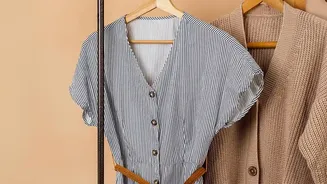
How you store your clothes is just as important as how you wash them. Heavy items like sweaters and knits should be folded and placed on a shelf, as hanging can cause them to stretch out of shape. For other items, use appropriate hangers—padded for delicates and sturdy wood for suits and jackets—to help maintain their form. Avoid cramming your closet full; clothes need space to breathe to prevent wrinkles and mildew. For long-term or seasonal storage, make sure garments are clean before packing them away in breathable bags.
Learn Basic Mending Skills
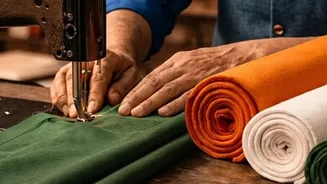
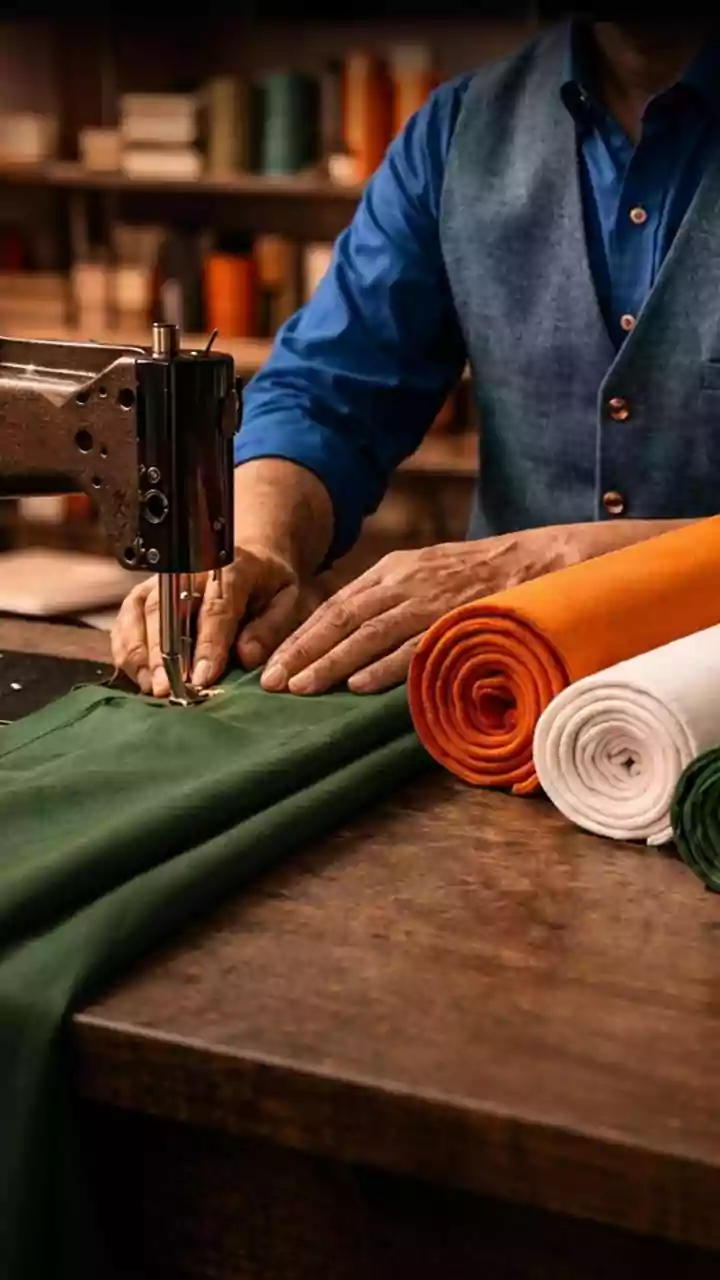
A loose button or a small tear doesn't have to mean the end of a garment's life. Learning a few simple repair techniques can make a huge difference. Start with the basics: sewing on a button, fixing a loose seam, or hemming trousers. For small holes, visible mending techniques like using a colourful patch or decorative stitching can add a unique, personalised touch to your clothes. Having a small sewing kit with needles, a few colours of thread, and some basic supplies is an an essential tool for a sustainable wardrobe.