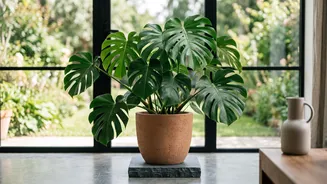





As winter approaches, a familiar grey haze descends upon Delhi-NCR. While we can't control the outdoor air, we can take simple steps to improve our indoor environment. Houseplants are an easy, natural first line of defense.
Understanding the Role of Plants
Scientific research, including
a famous NASA Clean Air Study, has shown that certain common houseplants can absorb airborne pollutants like formaldehyde, benzene, and xylene. While you would need a veritable jungle to match the power of a mechanical air purifier, a few well-chosen plants can contribute to a cleaner, healthier indoor space. They work through a process called phytoremediation, absorbing toxins through their leaves and root-zone microorganisms. It's a small but significant way to fight back against the pollutants that inevitably seep into our homes.
The Hardy and Heroic Snake Plant
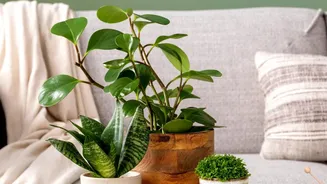
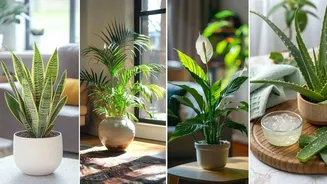
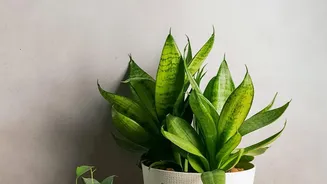
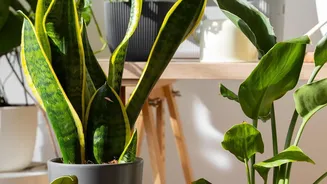
The Snake Plant (Sansevieria trifasciata) is perhaps the most resilient plant you can own, making it perfect for busy households. It's a powerhouse purifier, known for filtering formaldehyde, benzene, xylene, and nitrogen oxides. What makes it especially valuable for bedrooms is its ability to convert carbon dioxide into oxygen at night. Care is simple: it tolerates low light and requires infrequent watering, especially during Delhi's winter. Allow the soil to dry out completely between waterings to prevent root rot.
The Lush Areca Palm
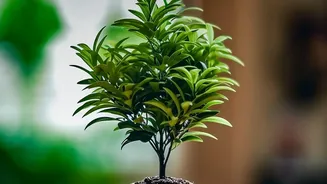
The Areca Palm (Dypsis lutescens) is a popular choice for its feathery, tropical fronds that can brighten any room. It's a fantastic natural humidifier, which is a welcome benefit during the dry Delhi winter. According to NASA's research, it's effective at removing toxins like formaldehyde and xylene. This plant prefers bright, indirect sunlight, so a spot near an east- or west-facing window is ideal. Keep the soil consistently moist but not waterlogged, and it will work quietly to improve your air.
The Forgiving Money Plant
Found in countless Indian homes, the Money Plant (Epipremnum aureum or Golden Pothos) is more than just a symbol of good fortune. It's an excellent air purifier that's incredibly easy to grow. It effectively tackles indoor pollutants such as formaldehyde, benzene, and carbon monoxide. The Money Plant is very forgiving and can thrive in a variety of light conditions, though it prefers indirect sunlight. It can be grown in both soil and water, making it a versatile choice for any room. Its trailing vines also add a beautiful decorative touch.
The Prolific Spider Plant
The Spider Plant (Chlorophytum comosum) is another champion air purifier that is famously easy to maintain. It is highly effective at removing formaldehyde and xylene from the air. Some studies have shown it can remove a high percentage of certain toxins from a sealed chamber in just 24 hours. This plant thrives in bright, indirect light and prefers its soil to dry out slightly between waterings. It's also non-toxic to pets, making it a safe choice for families. The 'spiderettes' or baby plants it produces can be easily repotted, allowing you to multiply your green army against pollution.
The Elegant Peace Lily
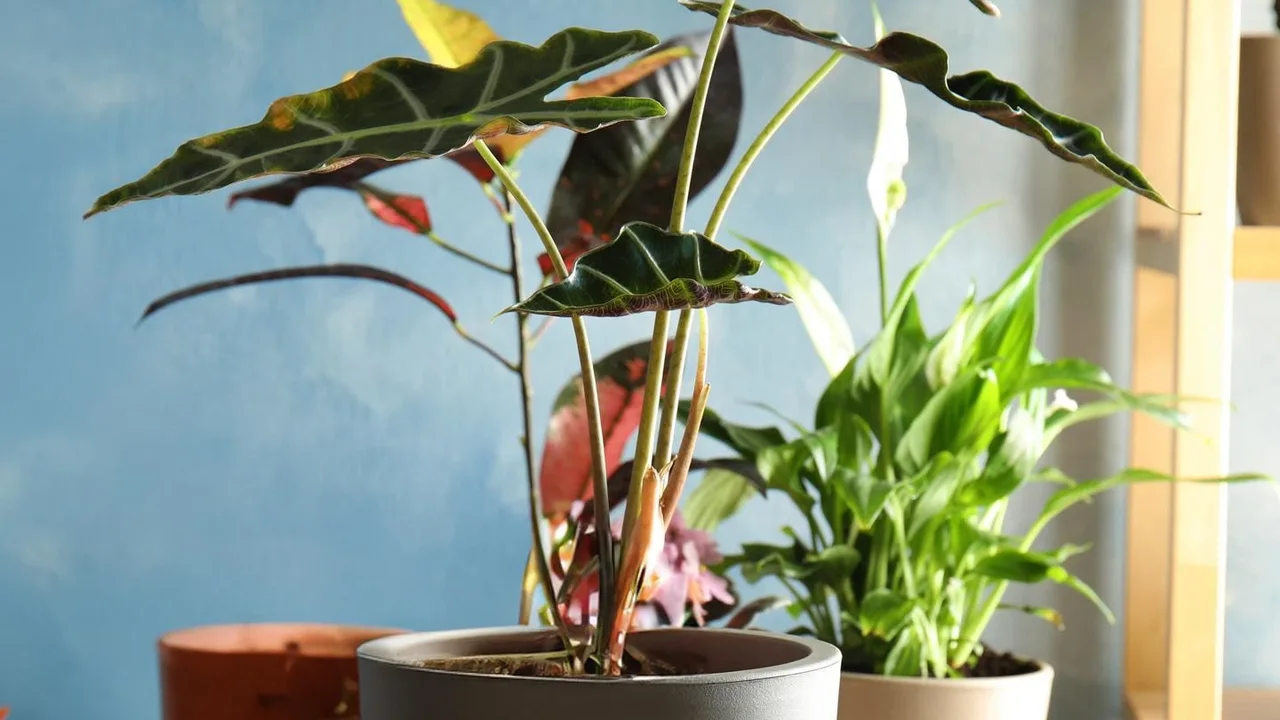
The Peace Lily (Spathiphyllum) is renowned not only for its beautiful white blooms but also for its air-cleaning prowess. It's one of the few plants that can help reduce airborne mould spores, making it a great addition to bathrooms or damp areas. NASA's study found it effective against five common toxins, including ammonia, a chemical found in many cleaning products. It prefers medium, indirect light and consistently moist soil. The plant will often droop slightly to let you know when it's thirsty, taking the guesswork out of watering.