


The Current Battery Bottleneck
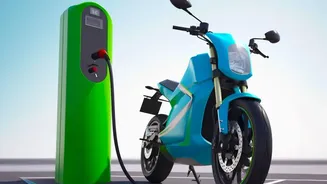
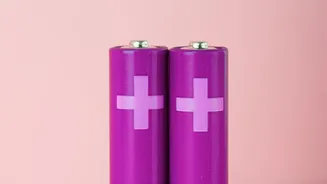
The single most expensive component in any electric vehicle is its battery pack. For entry-level electric two-wheelers, the battery can account for a massive chunk of the total cost, keeping them out of reach for a large segment of the population. Today's
dominant technology is the lithium-ion battery. While effective, these batteries rely on a liquid or gel-like substance called an electrolyte to function. This liquid component has several disadvantages. It requires heavy and complex cooling and safety systems to prevent overheating and potential fires, a phenomenon known as thermal runaway. Furthermore, materials like cobalt and nickel, often used in these batteries, are expensive and have volatile supply chains. This combination of material cost and safety-related engineering keeps the price of the final vehicle high.
Enter Solid-State: A Simpler, Safer Core
So, what is a solid-state battery? The concept is simple but revolutionary. It replaces the flammable liquid electrolyte found in lithium-ion batteries with a solid material, often a thin ceramic, glass, or polymer layer. This fundamental change has massive implications. By removing the liquid, the risk of fire is virtually eliminated, making the batteries inherently safer. This enhanced safety means manufacturers can do away with the bulky, heavy, and expensive liquid cooling and management systems that are essential in current EVs. The battery pack becomes simpler to design, lighter, and, crucially, cheaper to manufacture.
The Cost-Cutting Chain Reaction
The cost savings from solid-state technology come from several key areas. First, the improved safety and stability reduce the need for expensive thermal management hardware. Second, solid-state batteries boast a much higher energy density. This means they can store more energy in the same amount of space, or provide the same range from a smaller, lighter, and therefore cheaper battery pack. A 40-50% higher energy density is a commonly cited advantage. Third, while still in development, many solid-state designs aim to use more abundant and less expensive materials, reducing reliance on costly metals like cobalt. Together, these factors—simpler design, higher energy density, and potentially cheaper raw materials—create a powerful combination that could dramatically lower the production cost of the entire vehicle.
More Than Just a Price Drop
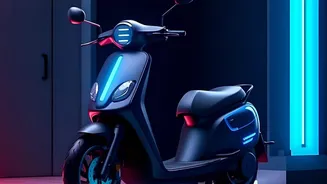
While the prospect of cheaper electric two-wheelers is the main draw, solid-state technology promises other significant benefits for riders. These batteries are expected to have a much longer lifespan, potentially lasting for the entire life of the motorcycle and enduring far more charge-discharge cycles than their lithium-ion counterparts. Another game-changing feature is ultra-fast charging. Some companies are demonstrating solid-state batteries that can gain hundreds of kilometres of range in just 10-15 minutes, making them almost as convenient as refuelling a petrol vehicle. They also perform better in extreme temperatures, a key consideration for the varied Indian climate.
The Road Ahead: From Lab to Showroom
It is important to manage expectations. As the headline suggests, this technology is still in the testing and development phase. While some manufacturers have showcased motorcycles with solid-state batteries, mass production remains a major hurdle. Developing new fabrication techniques and building the necessary factory infrastructure is a costly and time-consuming process. Experts believe widespread adoption in mass-market vehicles is still several years away, likely not happening on a large scale until the early 2030s. However, Indian institutions like IIT Roorkee are actively involved in solid-state research, and the focus on smaller batteries for two-wheelers could accelerate their introduction in this segment.