
The Living Art Gallery of India
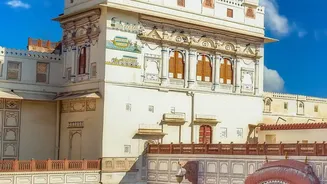
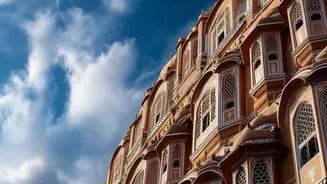
Shekhawati, a semi-arid historical region in northeastern Rajasthan, is not famous for grand palaces but for its stunningly painted havelis (traditional mansions). Often called India's 'open-air art gallery', its towns are dotted with hundreds of these
structures, built by wealthy Marwari merchants between the 18th and early 20th centuries. The exterior and interior walls are covered in intricate fresco paintings depicting everything from Hindu mythology and royal tales to quirky scenes of the British colonial era, including early trains and hot air balloons. This unique architectural and artistic heritage is at the heart of the Shekhawati experience.
Why Shekhawati is in the Spotlight
The Rajasthan government is actively working to diversify its tourism offerings beyond the well-trodden paths of Jaipur, Udaipur, and Jaisalmer. In a recent strategic shift, officials announced a push to promote emerging destinations like Shekhawati. This initiative aims to make Rajasthan a year-round destination and spread tourism benefits more evenly. Policies like the new Homestay Scheme 2026 are designed to expand accommodation options and encourage local, community-based tourism, making it easier for travellers to explore these less-commercialised areas. For visitors, this means now is a perfect time to experience Shekhawati's authentic charm before the crowds follow.
Key Stops on the Shekhawati Circuit
The Shekhawati region is a collection of several small towns, each offering its own treasures. A typical route takes 2-3 days and can be easily explored by hiring a car from Jaipur or Delhi. The main towns include Mandawa, often used as a base for exploring, which boasts a formidable fort now operating as a heritage hotel. Nawalgarh is celebrated for having some of the region's finest frescoes and the well-maintained Dr. Ramnath A. Poddar Haveli Museum. Fatehpur is known as the region's cultural capital, home to stunning havelis like the Nadine Le Prince Haveli. Other important stops on the fresco trail include Dundlod, Mukundgarh, and Ramgarh, each providing a unique glimpse into the area's merchant history.
Planning Your Journey
The best time to visit Shekhawati is during the cooler, drier months from October to March, when the weather is pleasant for exploring the towns on foot. Summers, from April to June, are extremely hot and best avoided. The region is accessible by road from major cities like Jaipur (approx. 150-170 km) and Delhi (approx. 250 km). While some towns have railway stations, like Jhunjhunu and Nawalgarh, hiring a car and driver is the most convenient way to navigate the circuit and hop between villages. Accommodation options are growing, with many heritage havelis now converted into charming hotels, offering an authentic stay. Booking a local guide can also enrich the experience, as they can explain the stories behind the frescoes and provide access to locked havelis.