


A Return to Seasonal Rhythms
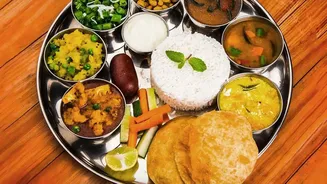
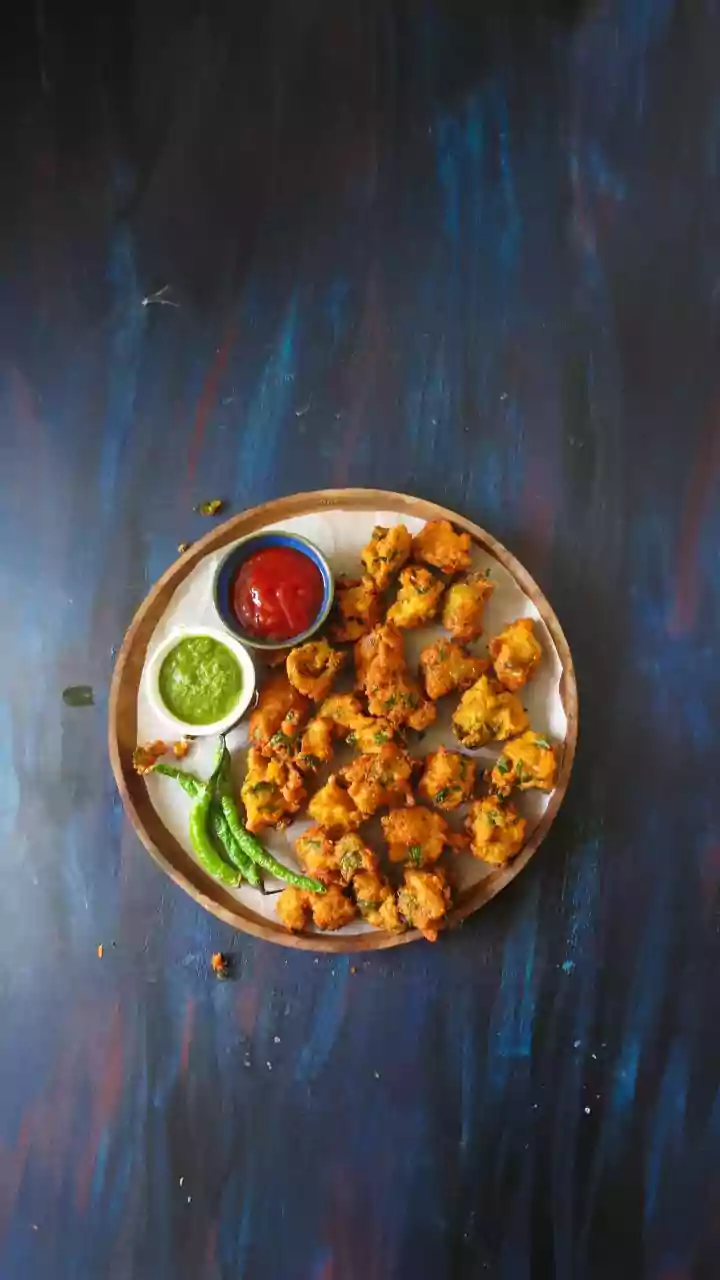
For generations, Indian kitchens have moved in harmony with the seasons. The monsoon, in particular, has always heralded a unique culinary chapter, bringing forth a bounty of specific vegetables, greens, and cravings for warm, comforting foods. This is the season for everything
from crispy pakoras and roasted corn on the cob, known as bhutta, to more complex regional delicacies. However, with the rise of standardized restaurant menus and the availability of produce year-round, many of these hyper-seasonal dishes faded from public memory, often confined to the kitchens of older generations. These were meals that required time, knowledge of local ingredients, and an appreciation for flavours that couldn't be mass-produced.
The New Wave of Culinary Curiosity
Today, a shift is underway, driven by a younger generation of diners and chefs in Delhi. Post-pandemic, there's a growing desire for authentic experiences and a deeper connection to the origins of food. This curiosity is fueled by a broader trend towards sustainability, health-consciousness, and an interest in India's vast and varied regional cuisines. Young people are increasingly moving away from generic fast food and seeking out meals that tell a story. This has created the perfect environment for a revival, with chefs and pop-up kitchens responding to a maturing palate that values provenance as much as presentation.
What’s on the Plate: Rediscovered Delights
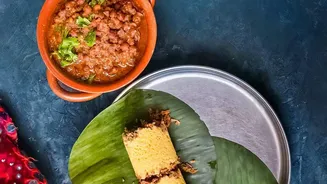
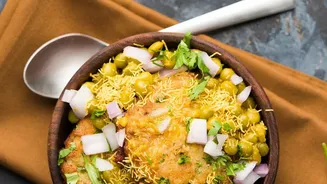
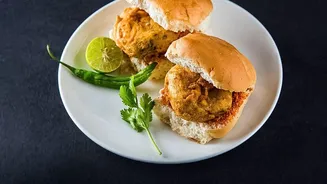
So, what are these forgotten foods making a comeback? The menus are diverse and deeply regional. You might find Patoleo, a sweet Goan dish of rice flour, jaggery, and coconut steamed in turmeric leaves. Or there could be dishes celebrating foraged ingredients like shevla bhaji (dragon stalk yam) from Maharashtra or chaulayi (amaranth leaves). Restaurants and pop-ups in Delhi are getting creative. Indian Accent, for example, introduced a seasonal chaat menu featuring Nadru Ki Chaat, an ancient Lucknowi recipe using lotus stem. Others are presenting modern takes on traditional comforts, like Dabeli Bruschetta or Pinwheel Samosas. Even lesser-known home-style dishes like the Kayastha community's Mutton Parsinde or Baniya specialties like mangochi (a moong dal and yoghurt curry) are finding a new audience.
More Than Just a Food Trend
This movement is about more than just satisfying cravings. It's a form of cultural reclamation. By championing local and seasonal ingredients, these young chefs and diners are supporting local farmers, reducing food miles, and promoting biodiversity. The farm-to-table concept has seen a significant increase in recent years, reflecting a conscious choice to bolster local economies and adopt more sustainable practices. This revival also brings back the culinary wisdom of past generations, reintroducing nutritious grains like ragi and bajra and celebrating cooking techniques that have been passed down for centuries. It's a way of ensuring that the edible memories and heritage of India's diverse communities are not lost but are instead reinterpreted for a new era.