





Understanding the Gut-Brain Axis
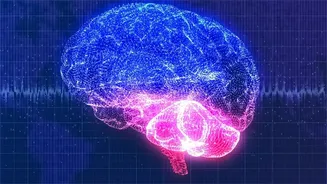
The term ‘gut-brain axis’ refers to the two-way communication highway between your gut and your brain. This intricate network involves the nervous system, the endocrine system, and the immune system. Think of it as a constant conversation. Your brain sends
signals to your gut (like feeling nauseous when you're anxious), and your gut sends signals back to your brain, influencing everything from mood to cognitive function. A huge part of this communication is managed by the trillions of microorganisms living in your gut, collectively known as the gut microbiota. When these microbes are balanced, they help regulate the production of key chemicals like serotonin, the ‘happy chemical,’ much of which is surprisingly made in the gut.
Probiotics: The Friendly Bacteria
Probiotics are the ‘good’ live bacteria that help keep your gut microbiome healthy and balanced. These beneficial microorganisms can be found in fermented foods and supplements. When you consume them, you're essentially reinforcing your gut's friendly army. Research shows that a healthy population of gut bacteria helps reduce inflammation and supports the production of neurotransmitters, which can positively impact mental well-being. Certain strains, like Lactobacillus and Bifidobacterium, have been specifically studied for their potential to alleviate symptoms of stress and anxiety and improve mood. By helping to maintain a healthy gut environment, probiotics ensure the communication along the gut-brain axis runs smoothly.
Fermentable Fiber: Fuel for Your Gut
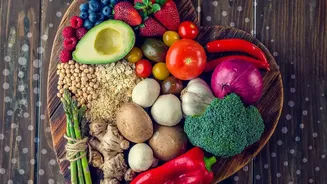
If probiotics are the friendly bacteria, think of fermentable fiber (a type of prebiotic) as their food source. This non-digestible carbohydrate, found in many plant-based foods, isn't broken down by our bodies. Instead, it travels to the gut, where it’s fermented by our resident microbes. This fermentation process produces beneficial compounds called short-chain fatty acids (SCFAs). These SCFAs have several jobs: they provide energy for the cells lining your gut, help maintain the integrity of the gut barrier, and can even travel to the brain, where they may have neuroprotective effects. A diet rich in fermentable fiber is associated with a lower risk of depression and anxiety, highlighting its crucial role in feeding the gut bacteria that support our minds.
The Result: Better Focus and Mood
So, how does this all translate to better focus and a brighter mood? When your gut microbiota is well-nourished with fermentable fiber and populated with beneficial probiotics, the gut-brain axis functions optimally. A balanced gut can lead to more stable production of mood-regulating neurotransmitters like serotonin. It can also help lower systemic inflammation, which is often linked to brain fog, difficulty concentrating, and mood disturbances. Studies suggest that a healthy gut microbiome can improve your stress response, enhance cognitive clarity, and support overall emotional balance. By nurturing your gut, you are directly investing in your brain's ability to stay sharp, focused, and positive.
Boosting Gut Health in an Indian Diet
Incorporating these gut-friendly foods into a traditional Indian diet is easier than you think. For probiotics, look to homemade curd (dahi), which is a staple in most households and a fantastic source of live bacteria. Other great options include buttermilk (chaas), fermented foods like idli and dosa, and traditionally made pickles (achaar). For fermentable fiber, millets like jowar and bajra are excellent choices. Pulses and legumes such as chana, rajma, and moong dal are packed with fiber that feeds good gut bacteria. Don't forget vegetables like onions, garlic, bhindi (okra), and lauki (bottle gourd), which are all rich in the prebiotics your gut microbes love. A simple daily habit like having a bowl of curd with your lunch or starting your day with a glass of chaas can make a significant difference.