

The Power of a Zone
Before diving into furniture, it’s important to understand why zoning matters. Creating distinct areas within a single room brings a sense of order and purpose. A designated workspace helps you focus, a cozy reading nook encourages relaxation, and a separated
living area makes entertaining feel more intentional. This visual and functional separation transforms a single-use space into a multi-functional home, improving flow and reducing the feeling of clutter. Thoughtful design can turn a cavernous room into a collection of harmonious zones that cater to various activities while still feeling cohesive and inviting.
Choose Your Divider: Not All Shelves Are Equal
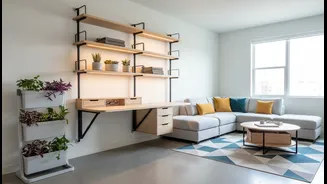
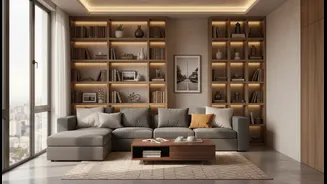
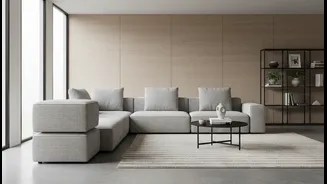
The most common tool for this task is the humble shelving unit, but the type you choose is critical. Open-back bookcases, like IKEA's KALLAX series, are popular because they divide a space without completely blocking light or sightlines. This maintains an airy feel, which is crucial in smaller homes. For a more substantial division, consider cube storage systems that mix open shelves with closed-back cabinets or drawers. This hybrid approach offers both display space and hidden storage, allowing you to hide clutter while showcasing decorative items. For a more industrial or minimalist look, modular metal shelving can act as a partition while still allowing you to see through to the other side.
Creating the 'Partial Wall' Effect
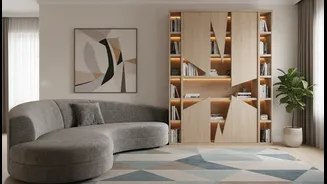
A tall shelving unit placed perpendicular to a wall is the most direct way to create a room division. It acts as a partial wall, physically and visually separating, for instance, a living area from a home office. The key is to avoid completely sealing off the space. A unit that is three-quarters the height of the ceiling or about four to five feet wide creates a significant boundary without making the room feel cramped. This approach is particularly effective for carving out a dedicated workspace or a small dining nook from a larger living room. To make it feel integrated, ensure the style and color of the unit align with the room's overall decor palette.
Low-Profile Zoning for Subtle Separation
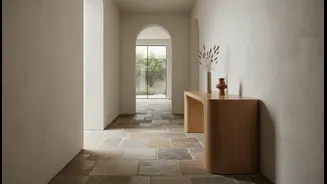
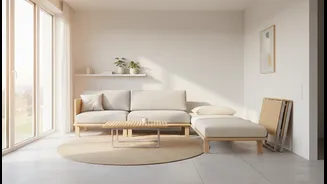
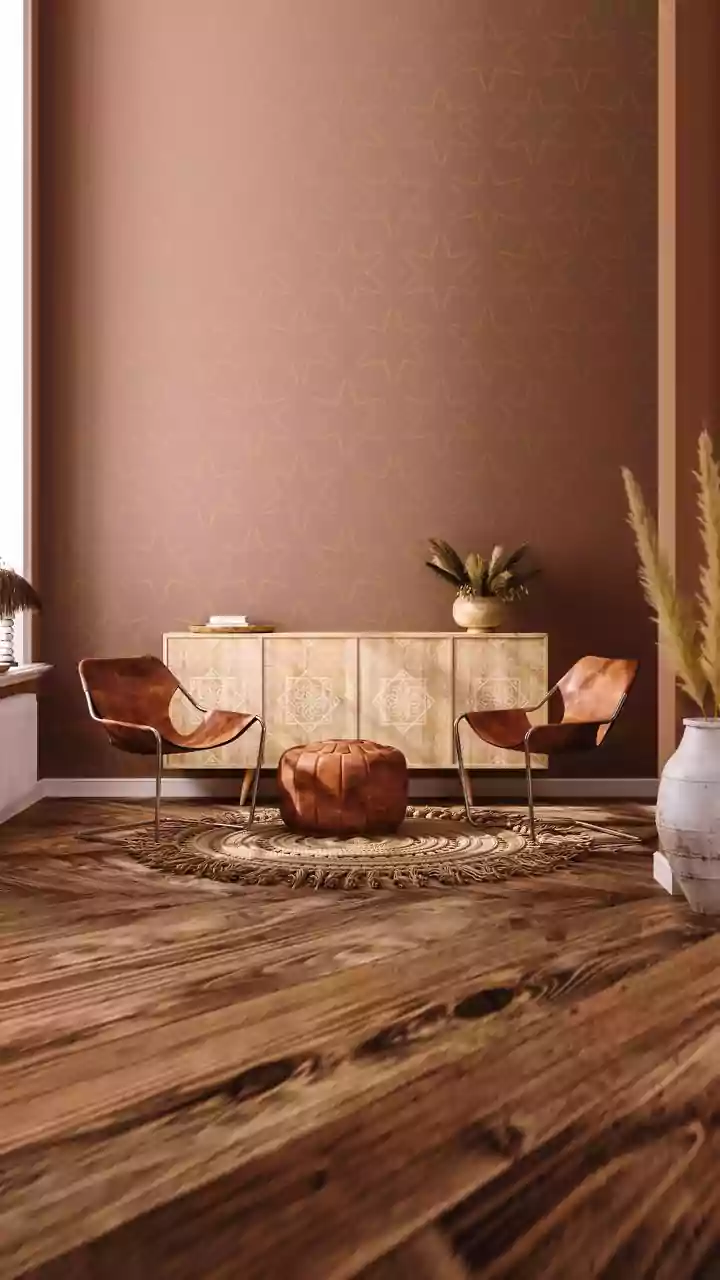
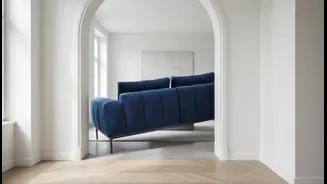
Zoning doesn't always require a tall barrier. Lower pieces of furniture can create a powerful psychological division. A long, low console table or a bench placed behind a sofa can effectively signal the end of the living area and the beginning of another zone, like a dining space or entryway. Even the back of a large L-shaped sofa can act as a soft boundary. This technique keeps the sightlines open, which is ideal for maintaining a sense of spaciousness, but still provides the necessary structure to make the layout feel intentional and organized. Pairing these low dividers with an area rug can further solidify the boundaries of each zone.
Think Beyond the Bookcase
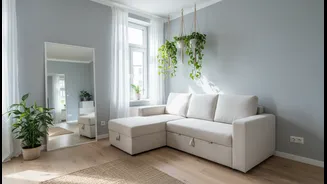
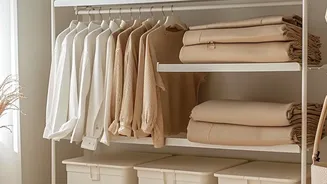
While shelves are a go-to, other modular pieces can also serve as excellent dividers. A modular wardrobe system can create a walk-in closet effect in a bedroom, separating the sleeping area from a dressing space. Some people repurpose clothing racks to create a light, airy division that doubles as functional storage. Modular screen systems, which can be configured in various shapes, offer flexibility and a decorative touch. For maximum utility, consider multi-functional furniture like ottomans with built-in storage or sideboards that can delineate a space while hiding everyday items. The goal is to choose pieces that solve a storage problem while also fulfilling a design function.
Style Your Divider for a Cohesive Look
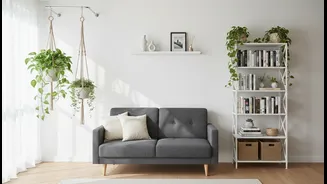
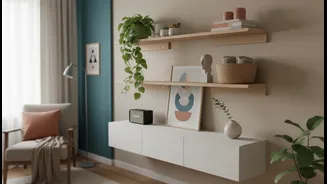
A storage divider should never look like an afterthought. To make it a seamless part of your decor, style it thoughtfully. Curate the items on your shelves, mixing books with decorative objects, plants, and even some empty space to avoid a cluttered look. Using storage boxes or baskets within a cube system can add texture and color while concealing less attractive items. If the back of your unit is unfinished and visible, you can paint it, apply wallpaper, or attach a thin panel of fabric to give it a polished appearance. By treating your modular divider as a feature rather than just a utility item, it becomes an integral and stylish part of your home's design.