

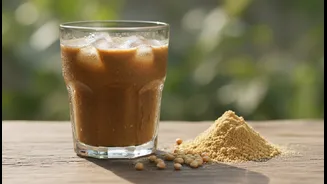




What Exactly Is This 'Poor Man's Protein'?
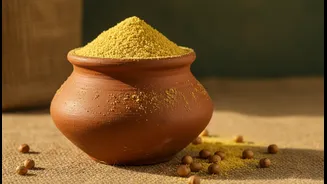
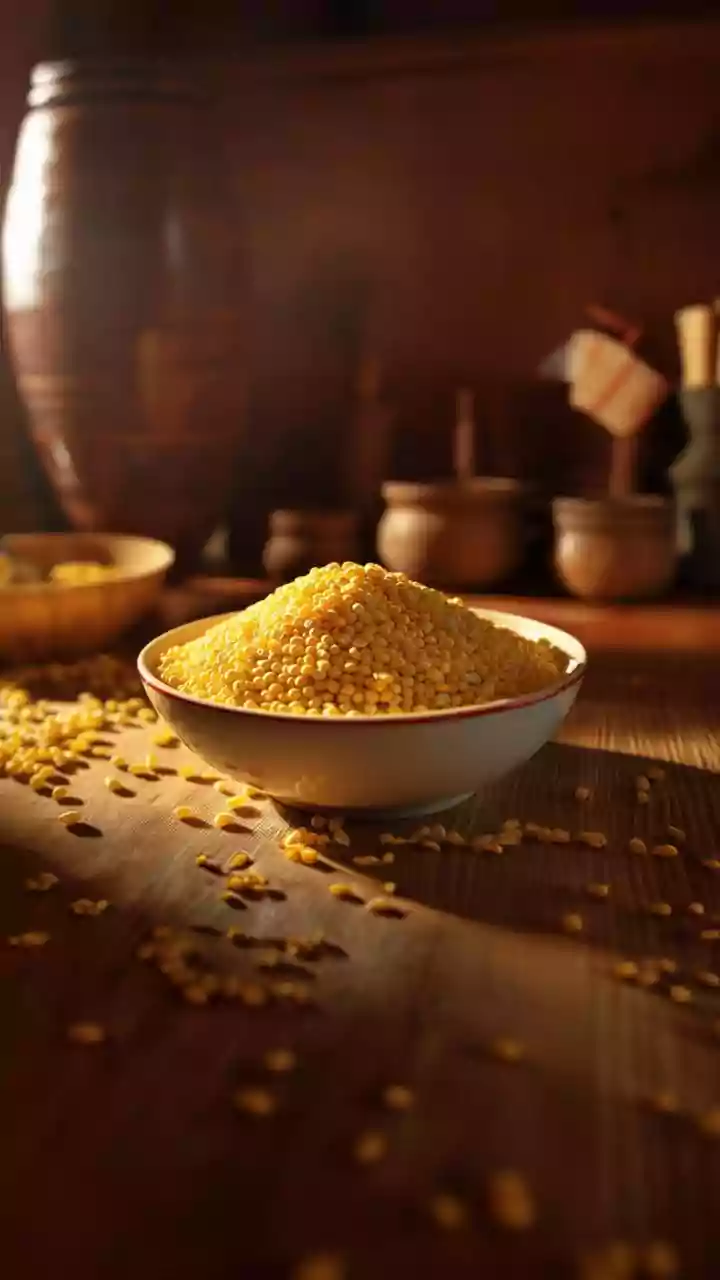
Sattu is a flour made from roasted grains and pulses, most commonly Bengal gram (kala chana). For centuries, it has been a staple food in states like Bihar, Jharkhand, and Uttar Pradesh, celebrated for its simplicity and remarkable nutritional density.
Unlike besan (gram flour), which is made from raw chickpeas, sattu is created by dry-roasting the grains before grinding them. This process not only gives it a distinct nutty flavour but also locks in nutrients and makes it easier to digest. Traditionally known as a 'poor man's protein' for its affordability and high energy content, this superfood is now gaining a well-deserved renaissance in modern wellness circles.
A Nutritional Powerhouse in Every Glass
The health benefits of sattu are impressive, making it far more than just a simple thirst quencher. It is packed with high-quality plant-based protein, with some varieties offering around 20 grams per 100g serving, making it excellent for muscle repair and sustained energy. It's also rich in insoluble fibre, which is fantastic for digestive health. This fibre acts as a natural cleanser for your colon, helping to relieve issues like constipation, bloating, and acidity. Furthermore, sattu has a low glycaemic index, meaning it releases energy slowly and helps regulate blood sugar levels, preventing the sudden spikes and crashes associated with sugary drinks. It’s also a good source of essential minerals like iron, magnesium, and potassium.
The Ultimate Summer Body Coolant
There's a reason sattu is a summer staple across North India. It is considered to have natural cooling properties that help regulate body temperature from the inside, making it an effective shield against heatstroke and exhaustion. During hot weather, the body loses vital electrolytes through sweat. A glass of sattu, especially when prepared with black salt and lemon, helps replenish these lost minerals like potassium and magnesium, providing deep hydration that's superior to many sugary commercial drinks. Its ability to offer both hydration and sustained energy makes it an ideal beverage for staying active and refreshed during the scorching summer months.
How to Prepare Your Own Sattu Sharbat
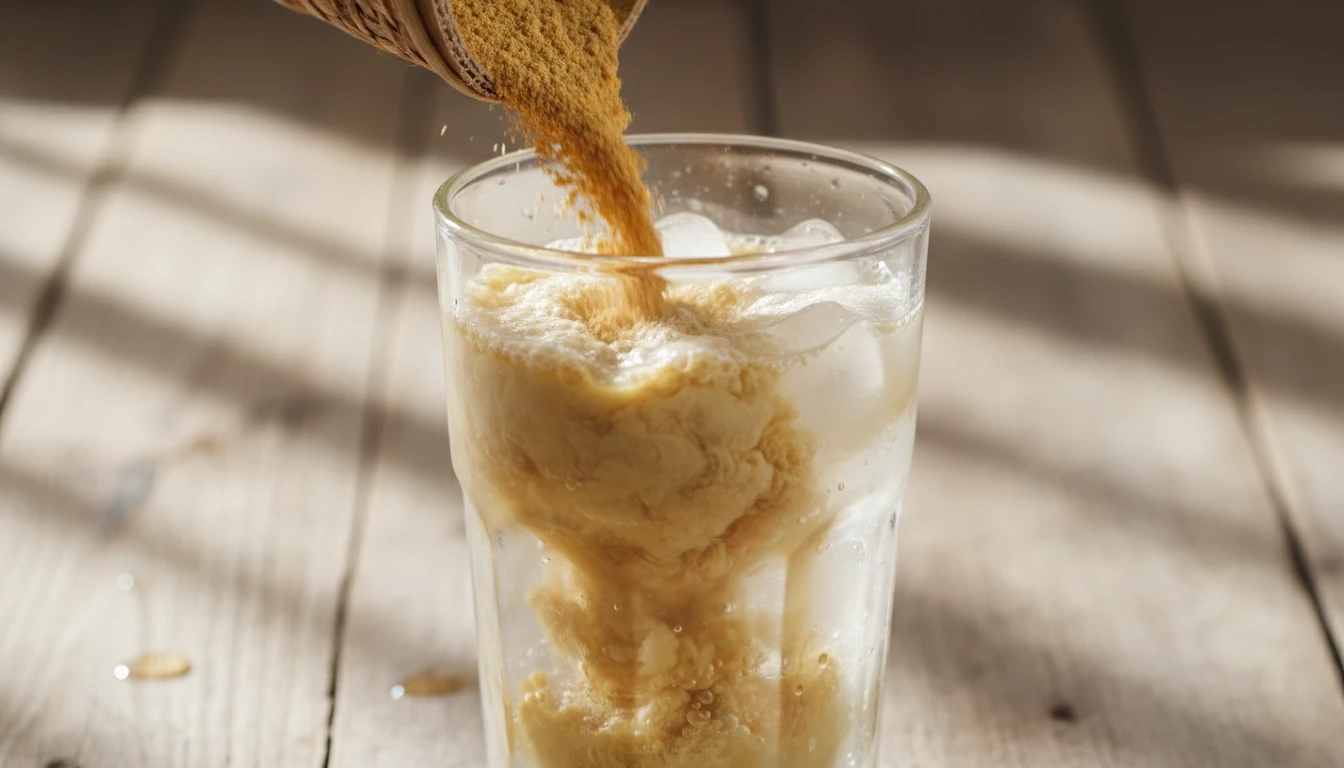
One of the best things about sattu is its versatility and ease of preparation. You can whip up a nourishing drink in minutes, with no cooking required. It can be enjoyed in two classic ways: sweet (meetha) or savoury (namkeen).
For a savoury sharbat, mix 3-4 tablespoons of sattu flour in a glass of cold water. Add black salt, roasted cumin powder, and a squeeze of fresh lemon juice. For extra flavour and texture, you can also mix in finely chopped onion, mint, and coriander leaves.
For a sweet version, simply mix the sattu flour in cold water with jaggery or sugar to taste. A pinch of black salt can help balance the sweetness. For either version, make sure to stir well to break up any lumps, as the flour tends to settle at the bottom.
Why It's Time for a Sattu Revival
In an era of expensive, highly processed health supplements, sattu stands out as an all-natural, affordable, and sustainable alternative. It aligns perfectly with modern dietary trends: it’s a plant-based, often gluten-free whole food that delivers on multiple nutritional fronts. Whether you're a fitness enthusiast looking for a natural post-workout recovery drink, a busy professional needing a light but filling meal, or simply someone seeking a healthier way to stay cool and energised, sattu offers a time-tested solution. It’s a testament to the enduring wisdom of traditional Indian food culture, proving that sometimes the best 'new' things are those that have been with us all along.